
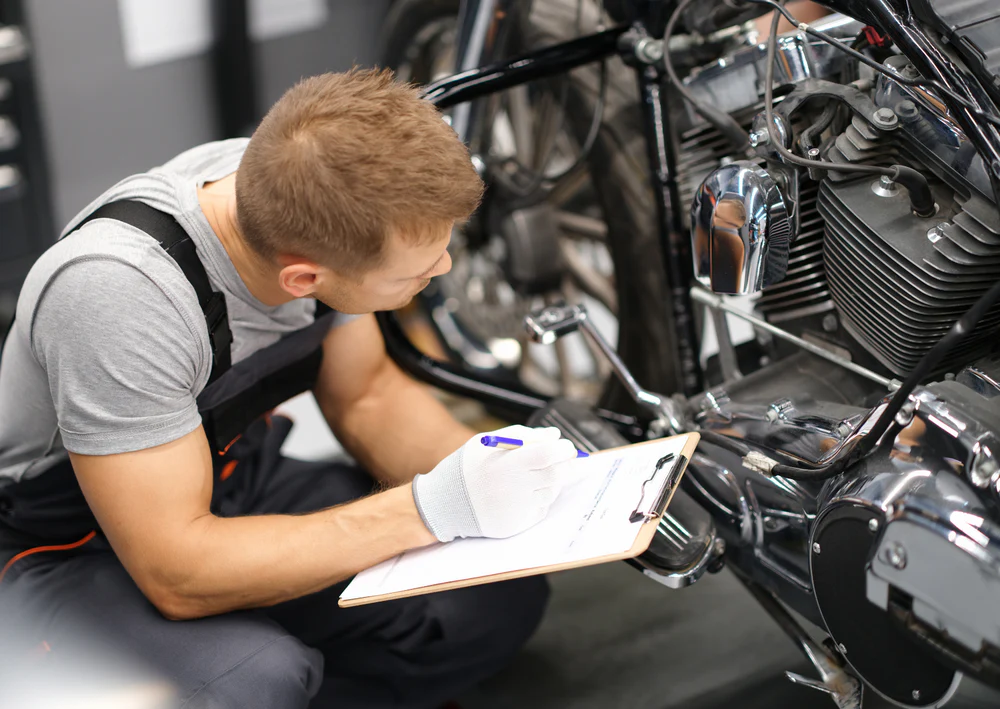

Before setting out on the road or trail, the minutes spent on a pre-ride inspection are crucial. This process ensures both safety and reliability, preventing minor issues from jeopardising an otherwise enjoyable outing. Performing these five essential checks can provide peace of mind and help set the stage for a successful ride.
Tires and Wheels
Tires are the primary connection between the vehicle and the ground, making their condition vital for every ride. It is important to look for cuts, punctures, or embedded objects. Confirm the tread depth is sufficient for traction, and use a quality pressure gauge to set each tire to the manufacturer’s recommended level. Both under-inflation and over-inflation can compromise handling and stability. Examine the wheels for dents or damage, and ensure all spokes are properly tightened.
Controls and Levers
Responsive controls are critical for safe riding. Riders should confirm that the clutch and brake levers operate smoothly and do not stick. The throttle must return to its idle position quickly after being released; a slow response can pose serious risks, particularly on technical terrain or in traffic. All control cables should be inspected for signs of fraying, kinking, or excessive wear. Cables that show damage must be replaced immediately to prevent failure on the road. Taking these steps supports consistent performance throughout the ride.
Lights and Electronics
Properly functioning lights and electronics are essential for visibility and safety. Check that the headlight, tail light, brake lights, and turn signals all operate as intended, covering both high and low beam settings. If the vehicle is equipped with additional electronics such as a GPS or communication system, verify these are charged and operational before departing. Mechanical incidents in motorsports, including dashboard or electronic malfunctions, show how important this check is for both safety and efficiency.
Oil and Fluids
The fluids within the vehicle play a vital role in keeping it operating smoothly. Confirm that the engine oil is at the correct level before starting a ride, as low oil can lead to extensive engine damage. Other critical fluids, such as coolant, brake fluid, and hydraulic clutch fluid (if present), should also be inspected to ensure reservoirs are full. A quick look beneath the vehicle can reveal drips or leaks that need attention before they worsen. These routine checks help maintain vehicle reliability. Poor oil flow caused NASCAR driver Denny Hamlin’s car to overheat during the 2018 Daytona 500. The issue forced him to make multiple pit stops, hurting his performance and highlighting the importance of maintaining proper fluid levels.
Chassis and Suspension
A ride subjects the chassis and suspension to significant stress, so these systems require regular inspection. Carefully examine the frame for cracks or visible signs of damage. Test the suspension by carefully compressing the front forks and rear shocks; they should move and rebound smoothly. Confirm that all major fasteners, such as axle nuts and pivot points, are secure to avoid problems created by vibration or previous rides.
David Vepraskas, a construction industry executive from Lakemont, Georgia, exemplifies the value of preparation and thoughtful attention to detail. Outside of work, David Vepraskas Gainesville is an avid outdoorsman who enjoys riding motorcycles and off-road vehicles. In the same spirit, dedicating a short time to these five pre-ride checks can greatly reduce the chance of mechanical issues and improve overall safety. Thoughtful preparation allows every rider to embark on a journey with greater confidence and peace of mind.

