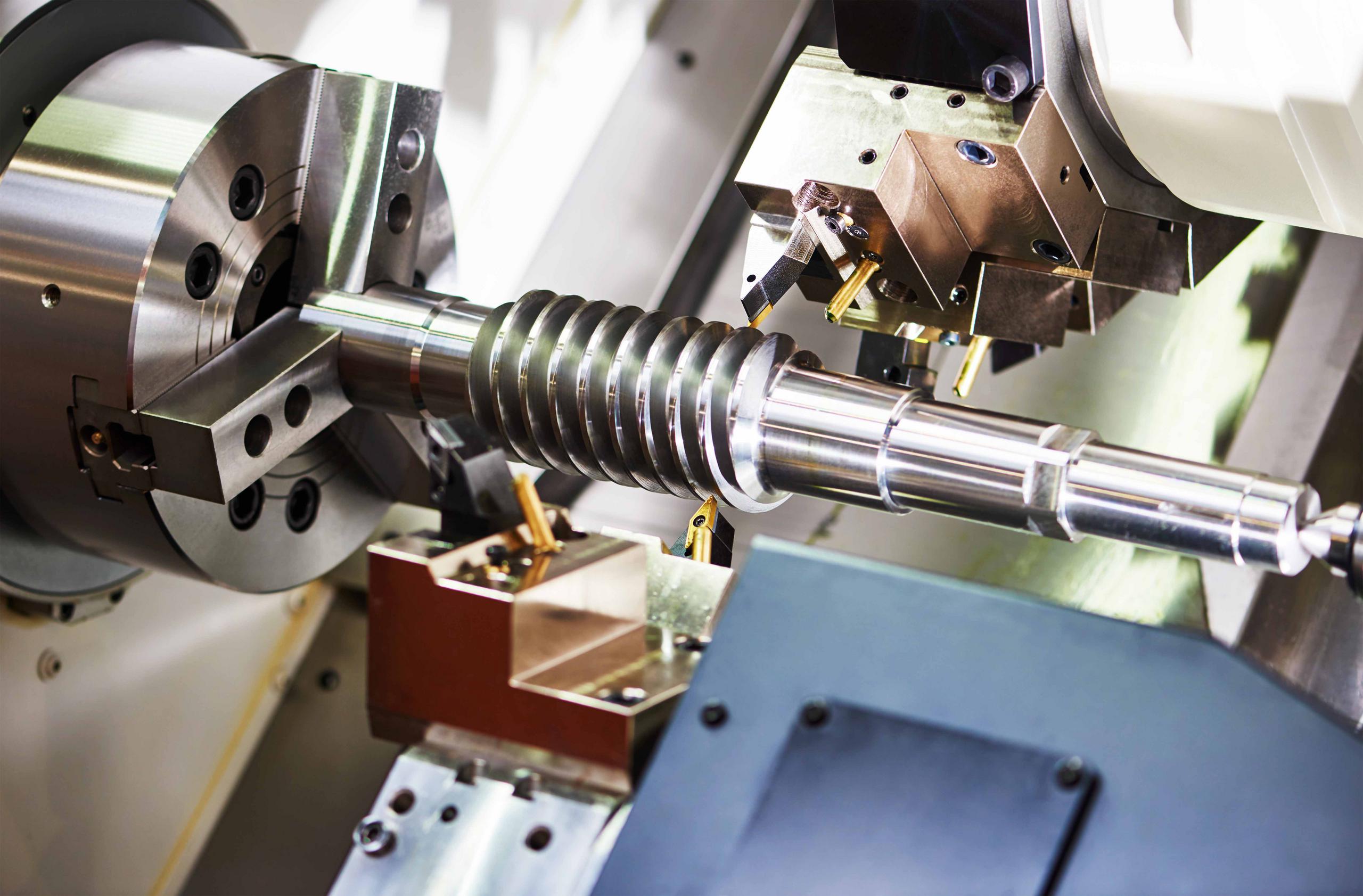

In today’s fast-paced manufacturing world, precision and speed are not luxuries—they are requirements. Whether you’re a startup developing a prototype or an established OEM scaling production, the ability to transform raw materials into high-quality components quickly and consistently is central to your competitive edge. One of the most trusted techniques to achieve this is CNC Turning Services a machining process relied upon by industries from aerospace to medical devices for its accuracy, repeatability, and cost-efficiency. Let’s explore why CNC turning remains indispensable in modern machining workflows and how to ensure your business gets the most out of this service.
Why CNC Turning Services Are Crucial to High-Precision Manufacturing
CNC turning stands out for its capability to produce cylindrical parts with tight tolerances and consistent geometry. This is vital for components such as shafts, pins, bushings, and threaded parts, where even the slightest deviation can affect performance or lead to assembly failures. Unlike manual lathes, CNC turning uses programmable tools to automate the cutting process, allowing for complex geometries and rapid cycle times without sacrificing precision. This automation minimizes human error and enables lights-out manufacturing—an advantage that reduces operational costs and boosts output, especially for high-volume production runs.
Moreover, the relevance of CNC turning extends beyond just functional components. With advanced tooling and material compatibility, it supports aesthetic finishes and intricate surface detailing for industries like automotive and consumer electronics. When precision, consistency, and scalability converge, CNC turning becomes an integral pillar in the broader strategy of quality-driven production.
Key Technical Advantages and Use Cases of CNC Turning
Tight Tolerances and Repeatability
One of the primary technical benefits of CNC turning is its ability to maintain tight tolerances across large batches. Tolerances as fine as ±0.001 inches are achievable with the right setup, tooling, and operator expertise. This level of accuracy is particularly essential in the aerospace and medical sectors, where component failure is not an option. Furthermore, CNC lathes can handle repeat cycles without deviation, ensuring that the first and the thousandth part are identical—reducing inspection loads and rework.
Versatility in Materials and Designs
CNC turning machines are compatible with a wide range of materials, including aluminum, stainless steel, titanium, brass, and various engineering plastics. This flexibility enables manufacturers to adapt designs based on application needs, whether it’s corrosion resistance for marine components or biocompatibility for surgical tools. In addition to straight-forward geometries, modern CNC lathes are equipped to handle complex operations such as grooving, knurling, threading, and even live tooling for milled features—allowing for multifunctional part production in a single setup.
Cost-Effective Scaling for OEMs and Startups
Whether you’re scaling from prototype to production or managing variable demand cycles, CNC turning offers a cost-effective route to market. For startups, the ability to run short batches without extensive tooling investment makes product validation faster and more affordable. For OEMs, the consistent output and low scrap rates reduce downtime and total cost of ownership across long-term contracts. With appropriate design for manufacturability (DFM) integration, parts can be optimized for CNC turning from the early design stages, significantly lowering iteration time and cost.
How to Choose a CNC Turning Partner That Delivers Results
When selecting a CNC turning provider, the decision should go beyond quoting and lead times. Look for machining partners who understand your industry’s requirements, offer material traceability, and maintain certifications such as ISO 9001 or AS9100 for quality assurance. Experience with diverse industries is a strong signal—they’re more likely to anticipate challenges and offer engineering support that can improve part performance and manufacturing efficiency.
Evaluating Capabilities and Equipment
Review the provider’s equipment list. Do they operate multi-axis CNC lathes with live tooling and bar feeders? This can significantly reduce secondary operations and lead times. Ask about their tolerancing capabilities, inspection tools (like CMMs), and whether they support prototyping as well as full-scale production. Machine versatility and process control are key indicators of a facility ready to meet diverse production needs.
Partnering with Suppliers Who Understand Your Goals
The most valuable machining partners aren’t just service providers—they’re collaborators. Choose vendors who ask the right questions about end use, tolerancing needs, material performance, and logistics. A capable CNC turning partner should offer guidance on optimizing part geometry for machining, material selection based on environmental exposure, and even packaging or labeling based on supply chain integration. This alignment can drastically reduce delays, rework, and miscommunication.
Final Thoughts
CNC turning continues to play a pivotal role in the manufacturing ecosystem due to its unmatched ability to deliver precise, scalable, and cost-effective parts across sectors. From early-stage product development to high-volume production, leveraging the right CNC turning services can ensure that components meet the performance, aesthetic, and functional standards required in today’s market. Partnering with a skilled and equipped machining service like MYT Machining allows your team to move faster, reduce waste, and gain confidence in every shipment—no matter the complexity of your parts.