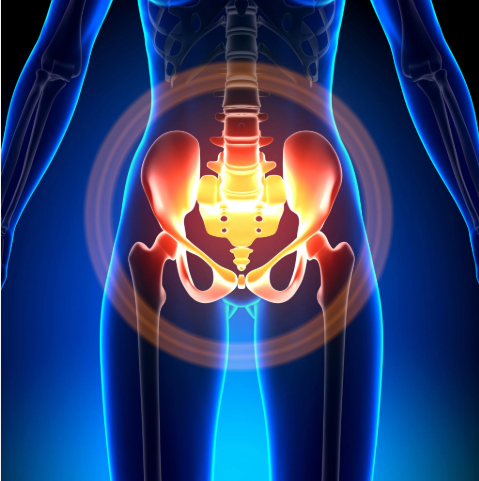

Living with constant pain in the lower abdomen can make even simple tasks feel exhausting.
Many people, especially women, struggle in silence with a condition that disrupts their daily lives, affects relationships, and impacts emotional well-being. This discomfort, often lingering for months, can have multiple underlying reasons that are not always easy to detect. The key to healing lies in understanding the body’s signals and seeking timely medical care.
In this article, we will discuss what chronic pelvic pain is, its main causes, noticeable symptoms, and the most effective treatment options available to manage it. So don’t wait and read ahead to learn more!
What Are The Causes of Chronic Pelvic Pain?
Endometriosis
Endometriosis occurs when tissue similar to the lining of the uterus grows outside it, often affecting the ovaries, fallopian tubes, and other pelvic organs. This abnormal tissue growth can cause severe pain, especially during menstrual cycles. Over time, it may lead to inflammation, scarring, and fertility issues.
Pelvic Inflammatory Disease (PID)
Pelvic inflammatory disease is a bacterial infection that affects the female reproductive organs. If left untreated, it can cause scarring and long-term discomfort in the pelvic region. Early diagnosis and treatment are vital to avoid complications. In some advanced cases, consulting the best hysterectomy surgeons becomes necessary when infections lead to significant tissue damage or chronic inflammation.
Musculoskeletal Problems
Sometimes, pelvic pain can be linked to issues in the muscles, ligaments, or joints in the lower back and hips. Poor posture, injuries, or physical strain can trigger pain that radiates into the pelvic area. Regular stretching and physical therapy can help manage these musculoskeletal causes effectively.
Symptoms of Chronic Pelvic Pain
Persistent Lower Abdominal Pain
The most common symptom of chronic pelvic pain is ongoing pain in the lower abdomen that lasts for six months or more. It may vary from dull to sharp and can worsen during physical activity or menstruation.
Menstrual Irregularities
Heavy, prolonged, or irregular menstrual bleeding often accompanies pelvic discomfort. These irregularities may indicate hormonal imbalance or conditions like endometriosis or fibroids.
Pain While Urinating or Bowel Movement
Burning sensations or pain while urinating, or discomfort during bowel movements, can signal infections or inflammation within the pelvic organs. These signs should never be ignored and must be checked by a healthcare professional.
Lower Back and Hip Pain
Pain that extends to the lower back and hips may be related to pelvic disorders or muscular strain. In certain cases where pelvic organ problems are severe, consulting the best hysterectomy surgeons may be recommended as part of an advanced treatment approach.
Best Treatment Options For Chronic Pelvic Pain
Medication Therapy
Doctors often prescribe antibiotics for infections, hormonal treatments for endometriosis, or pain-relief medicines for symptom control. Medications can reduce inflammation and help ease discomfort.
Physical Therapy
Pelvic floor therapy helps strengthen muscles and improve posture, which can relieve pressure and reduce pain intensity over time. Therapists may also teach relaxation techniques to control muscle tension.
Psychological Counseling
Since chronic pain can affect mental health, counselling or cognitive behavioural therapy can be beneficial. These sessions help manage stress, anxiety, and depression linked with ongoing discomfort.
Minimally Invasive Surgery
Procedures like laparoscopy can help diagnose and treat underlying conditions such as endometriosis or fibroids. These treatments often lead to faster recovery and lasting relief.
Lifestyle Modifications
Maintaining a healthy weight, staying active, practising yoga, and avoiding smoking or excessive caffeine can positively influence pelvic health. A balanced diet rich in vitamins and antioxidants can further support healing.
Final Thoughts
Chronic pelvic pain can be physically draining and emotionally overwhelming, but it is not something one has to accept as a way of life. Understanding its causes and seeking professional help early can make a major difference in recovery. Through proper diagnosis, timely treatment, and positive lifestyle changes, individuals can regain comfort from chronic pelvic pain and improve their quality of life. Consulting experienced specialists and following a consistent care plan remain essential to achieving lasting relief.