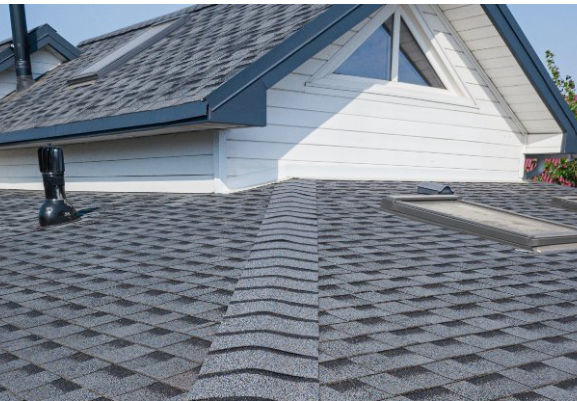

The roof is very important and should be well-maintained to safeguard your home and your family’s lives. Regrettably, most homeowners fail to notice the signs of roof damage at an early stage, thereby incurring high repair costs or even replacement costs. It is necessary to recognize those signs when roof repair is urgent.
Missing or Damaged Shingles
The roof is mainly the first line of defense against the weather. If any shingles are torn off, curled, or missing, this is a clear indication that the roof is compromised. Broken shingles may cause leakage, water damage, and low energy efficiency.
Tip: Inspect your roof after storms, as strong winds often dislodge shingles.
Water Leaks and Stains
Water stains on ceilings or walls are a classic sign of a failing roof. Leaks may start small but can quickly escalate, leading to mold growth, wood rot, and damage to your home’s interior. Pay attention to brown or yellow spots on ceilings, especially after heavy rainfall. You can also connect with the Loudoun County roofers.
Tip: Address leaks immediately to prevent structural damage.
Sagging Roof Deck
A sagging roof deck is a serious issue that often indicates structural damage. It may be caused by water infiltration, aging materials, or accumulated snow and ice. A sagging roof is dangerous and requires an immediate professional inspection.
Tip: Avoid walking on a sagging roof; it may collapse under weight.
Granules in Gutters
Asphalt shingles age, they shed granules that collect in gutters. Finding a significant amount of shingle granules in your gutters or downspouts indicates your roof is deteriorating. This reduces your roof’s ability to protect against UV rays and weather damage.
Tip: Regularly clean gutters and check for excessive granules.
Daylight Through Roof Boards
If you can see sunlight streaming through your attic boards, it’s a strong indicator that your roof has holes or gaps. Even small openings can allow water to seep in, causing further damage to insulation and interior walls.
Tip: Inspect your attic regularly, especially after storms.
Moss, Algae, or Fungal Growth
Moss, algae, and fungi thrive on damp, shaded roofs. Their presence can trap moisture against your shingles, accelerating wear and increasing the risk of leaks. Roofs in humid climates are particularly susceptible.
Tip: Clean your roof with specialized treatments and remove debris regularly.
Roof Age
Most roofs last between 20 and 30 years, depending on the materials used. If your roof is approaching or surpassing this age, it may be time for a thorough inspection. Aging roofs are more prone to leaks, structural issues, and material failure.
Tip: Keep records of roof installation and repairs to track lifespan.
Ice Dams
In colder climates, ice dams form when melting snow refreezes at the roof’s edge. This prevents proper drainage and can force water under shingles, causing leaks and interior water damage. Ice dams also add weight, increasing the risk of structural damage.
Tip: Ensure proper attic insulation and ventilation to reduce ice dams.
Cracked or Rusted Flashing
Flashing is the metal barrier around roof features such as chimneys, vents, and skylights. If flashing is cracked, rusted, or missing, water can easily infiltrate these areas, leading to leaks. Inspect flashing periodically, particularly after storms.
Tip: Replace damaged flashing promptly to prevent leaks.
Excessive Energy Bills
An unexpected increase in heating or cooling costs may be due to a compromised roof. Damaged shingles, gaps, or poor insulation can allow air to escape, forcing your HVAC system to work harder. This is often a hidden sign that your roof needs attention.
Tip: Conduct an energy audit to identify potential heat loss from the roof. You can hire Roofing company Fauquier County for it.
When to Call a Professional
While minor repairs can sometimes be handled by homeowners, significant issues like sagging roofs, large leaks, or structural damage require professional attention. A roofing contractor can assess damage, recommend repairs, and ensure your roof meets safety standards.
Preventive Maintenance Tips
1. Regular Inspections: Schedule professional roof inspections at least twice a year, ideally in the spring and fall. Additionally, inspect your roof after any major storms, such as heavy rain, wind, or hail. Early detection of issues such as missing shingles, leaks, or structural damage enables timely repairs, preventing small problems from turning into costly emergencies.
2. Clean Gutters: Regularly cleaning your gutters is essential to prevent water buildup, which can cause ice dams in winter and pooling in other seasons. Debris such as leaves, twigs, and dirt can block proper drainage, leading to water damage on your roof and walls.
3. Trim Trees: Overhanging tree branches can scrape and damage shingles during storms or high winds. They can also drop leaves and branches onto your roof, promoting the growth of moss and algae. Regularly trimming trees near your roof not only protects the shingles but also prevents potential hazards to your roof structure and your family.
4. Address Issues Early: Do not ignore small leaks, cracks, or damaged shingles. Addressing minor problems promptly can save you from expensive repairs in the future. Even small issues can escalate, especially during heavy rains or snow, causing significant damage to the underlying roof structure and interior of your home.
5. Install Proper Ventilation: Proper attic ventilation plays a critical role in maintaining roof health. Good airflow prevents moisture buildup, which can cause mold, mildew, and wood rot. Residential Roofer in Prince William County also regulates attic temperature, reducing the stress on roofing materials and extending the life of your shingles.
FAQs
How long does it take to repair a roof?
Minor repairs like shingle replacement can take a few hours, while major repairs or partial replacements may take several days, depending on the extent of damage and weather conditions.
Can I repair the roof myself?
Small repairs may be DIY-friendly, but it’s safer to hire a professional for significant damage to avoid injury or worsening the problem.
How much does a roof repair cost?
Costs vary depending on the damage, materials, and labor. Minor repairs may cost a few hundred dollars, while major repairs or partial replacements can run into thousands.
How often should I inspect my roof?
Inspect your roof at least twice a year and after severe storms to catch damage early.
What is the difference between repair and replacement?
Repairs fix specific areas of damage, while replacement involves installing a new roof. Replacement is usually needed for roofs over 20–25 years old or with extensive damage.