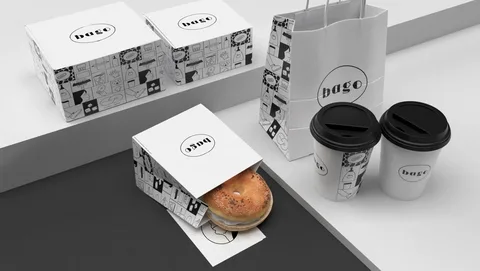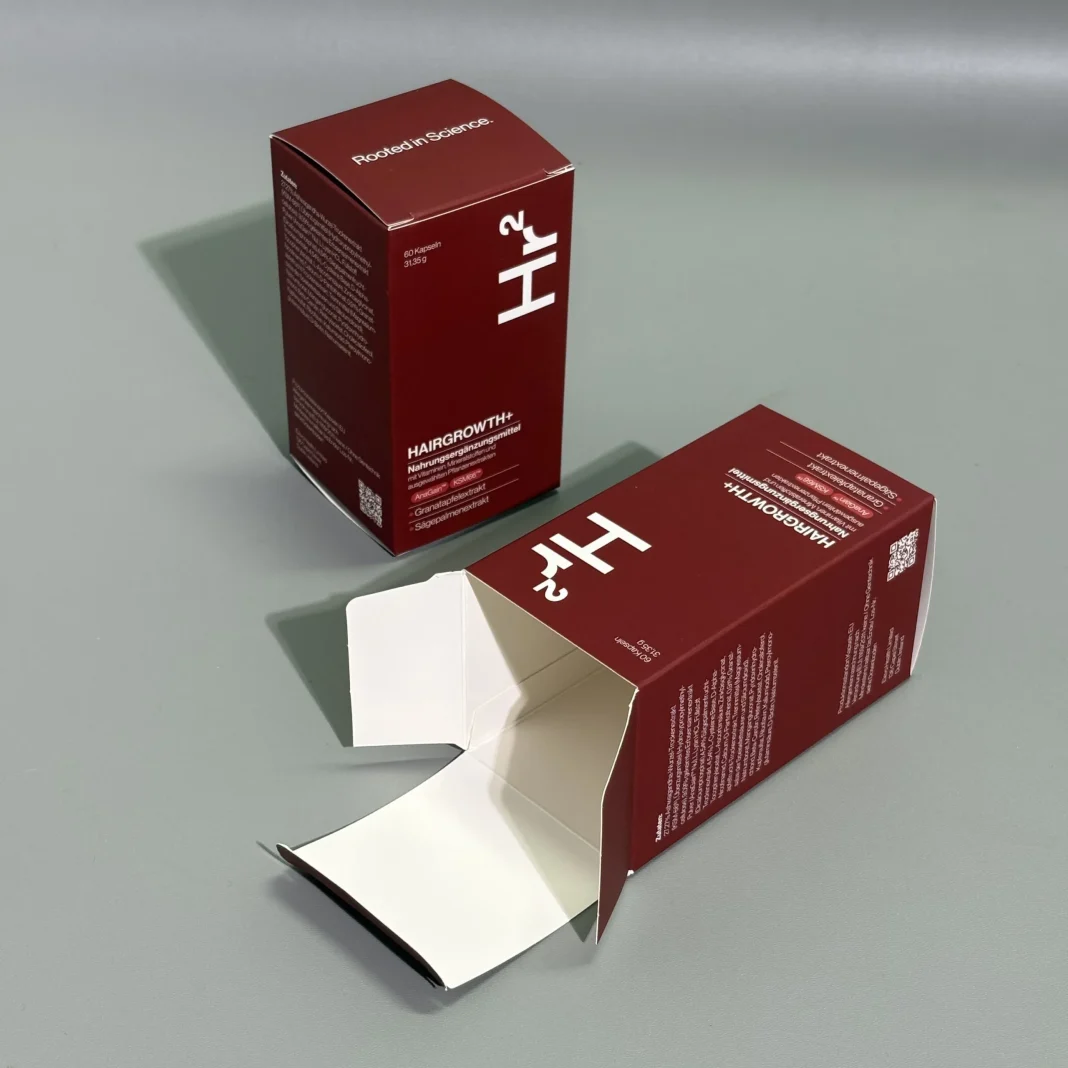

Retail shelves are crowded with products competing for attention. Customers may see dozens of similar packages before deciding which product deserves a closer look. In this environment, packaging needs to do more than protect the product. It should communicate the brand, attract attention, provide useful information, and create a reason for shoppers to pick it up.
This is where custom foldable boxes can make a difference.
Foldable boxes are designed to be stored and transported in a flat or partially flat condition and assembled when needed. Their practical structure can help businesses save storage space while giving them plenty of room for creative branding and retail presentation.
However, simply using a custom box does not guarantee shelf visibility. The structure, colors, typography, graphics, finishing, product information, and overall design need to work together.
Let’s explore how businesses can design custom foldable boxes that attract attention and create a stronger presence on retail shelves.
What Are Custom Foldable Boxes?
Custom foldable boxes are packaging solutions designed with folding panels, creases, tabs, or locking structures that allow the box to be assembled when required.
They can be manufactured in different sizes, shapes, materials, and configurations depending on the product.
Common applications include:
- Cosmetics
- Food products
- Retail accessories
- Apparel
- Electronics
- Toys
- Gifts
- Personal care products
- Small household items
- Promotional products
Their ability to fold flat makes them particularly practical for businesses that need to store or transport packaging efficiently before assembly.
Why Retail Shelf Appeal Matters
A retail shelf gives customers only a limited amount of time to notice a product.
If packaging looks confusing, generic, or poorly designed, shoppers may move on to another option.
Effective packaging can help communicate important information quickly, including:
- What the product is
- What brand sells it
- Why it is different
- Who it is designed for
- Key product features
- Product quantity or size
- Important usage information
The goal is not necessarily to make the package the loudest item on the shelf. Instead, the design should make the product easy to recognize and understand.
Start With a Strong Box Structure
Before thinking about colors and graphics, businesses should select a foldable box structure that works for the product.
The structure influences both functionality and appearance.
Depending on the product, businesses may consider:
- Tuck-top boxes
- Reverse tuck boxes
- Straight tuck boxes
- Auto-lock bottom boxes
- Sleeve-style structures
- Folding cartons
- Window foldable boxes
- Display-ready structures
A box should be easy to assemble, sufficiently protective, and appropriate for the way the product will be displayed.
A strong visual design cannot compensate for a structure that collapses, opens unexpectedly, or doesn’t fit the product correctly.
Choose the Right Box Size
Size plays an important role in shelf presentation.
A box that is too large can waste material and create unnecessary empty space. A box that is too small may make the product difficult to pack or create a cramped appearance.
Before finalizing dimensions, measure:
- Product length
- Product width
- Product height
- Product weight
- Internal accessories
- Inserts
- Protective materials
The box should provide enough clearance for packing and protection without creating excessive unused space.
Use Branding to Create Instant Recognition
One of the most effective ways to make foldable boxes stand out is consistent branding.
The packaging should reflect the same visual identity customers see across the company’s website, advertisements, social media, and other marketing materials.
Important branding elements may include:
- Logo
- Brand colors
- Typography
- Brand patterns
- Taglines
- Illustrations
- Signature design elements
A customer should ideally be able to recognize the brand without having to search the package for the logo.
Design the Front Panel Carefully
The front panel often has the greatest influence on first impressions.
It should communicate the most important information without becoming overcrowded.
Depending on the product, the front panel may include:
- Brand logo
- Product name
- Main product benefit
- Product image
- Short description
- Key feature
- Product category
Avoid filling every available space with text and graphics.
A clear hierarchy helps shoppers understand what they are looking at within seconds.
Create a Clear Visual Hierarchy
Good packaging design guides the customer’s eyes from the most important element to supporting information.
A typical hierarchy might look like:
- Brand
- Product name
- Main visual
- Key benefit
- Supporting information
- Additional details
Typography size, spacing, positioning, contrast, and imagery can all contribute to this hierarchy.
If everything on the package is equally large or visually intense, nothing feels important.
Choose Colors Strategically
Color is one of the first visual elements customers notice.
The right color palette should match the product category and brand personality.
For example:
- Soft colors may work well for beauty or wellness products.
- Bold colors can attract attention in youthful product categories.
- Earth-inspired colors can complement natural or minimalist branding.
- Dark tones can support premium positioning.
- Bright combinations may help products create stronger shelf contrast.
However, color selection should not be based solely on personal preference.
Consider how the package will look beside competing products and whether the chosen colors maintain sufficient readability.
Use Contrast to Improve Shelf Visibility
Contrast can make important packaging elements easier to see from a distance.
It can be created through differences in:
- Color
- Size
- Weight
- Texture
- Background and foreground
- Typography
- Images
For example, a simple product name with strong contrast against the background may be easier to recognize than an elaborate design with poor readability.
Good contrast should support the brand rather than make the packaging visually chaotic.
Add High-Quality Product Images
For products where appearance matters, product photography or illustrations can help shoppers understand what they’re buying.
Images may show:
- The product itself
- The product in use
- Ingredients
- Product components
- A lifestyle scene
- A visual representation of the product’s result
The image should be high quality and positioned where it supports the overall hierarchy.
For some categories, illustrations may provide a more distinctive visual identity than standard photography.
Consider a Window on Foldable Boxes
A packaging window can allow customers to see part of the product without opening the box.
Window packaging can be useful for:
- Cosmetics
- Food products
- Gifts
- Toys
- Accessories
- Small retail products
- Craft products
A window should be positioned intentionally rather than added simply because it is available.
It should reveal an attractive and useful portion of the product while preserving enough space for branding and information.
Use the Back and Side Panels
Retail packaging has more usable space than just the front.
The back and side panels can provide additional information without overcrowding the primary display panel.
These areas can include:
- Product specifications
- Instructions
- Ingredients
- Features
- Brand story
- Contact information
- QR codes
- Certifications where applicable
- Social media information
- Care instructions
This allows the front panel to remain clean while giving customers access to additional information.
Add QR Codes With a Purpose
A QR code can connect physical packaging with a digital experience.
Depending on the product, it could direct customers to:
- Product instructions
- Demonstration videos
- Product registration
- A brand website
- Customer support
- Product information
- A digital catalog
- Social media
- Loyalty programs
The QR code should have a clear purpose. Adding one without explaining its value can make it look like an unnecessary design element.
Use Finishes to Create a Premium Look
Finishing techniques can help custom foldable boxes stand out through texture and light reflection.
Possible options include:
Matte Finish
A matte surface can create a smooth and understated appearance.
Gloss Finish
Gloss can make colors appear more vibrant and create a polished surface.
Spot UV
Spot UV can highlight selected areas such as logos, patterns, or product names.
Embossing
Embossing creates raised elements that customers can see and feel.
Debossing
Debossing presses a design into the surface, creating a recessed effect.
Foil Stamping
Foil details can emphasize specific design elements and support premium packaging concepts.
Finishes should be selected according to the brand and product rather than using every available option at once.
Make Typography Easy to Read
Typography can make or break retail packaging.
Customers should be able to read the product name and major information without struggling.
When selecting fonts, consider:
- Letter size
- Font weight
- Spacing
- Contrast
- Background
- Reading distance
- Brand personality
Using too many fonts can make the packaging look inconsistent.
A small set of complementary typefaces is usually easier to manage and creates a cleaner appearance.
Design Packaging for Your Target Customer
The ideal packaging design depends heavily on the intended audience.
A product aimed at children may use a very different visual approach from a premium skincare product.
Before designing the box, consider:
- Customer age group
- Shopping environment
- Product price range
- Customer expectations
- Competitor packaging
- Brand personality
- Product category
Packaging should feel relevant to the people who are most likely to buy the product.
Study Competing Products
Retail shelf design doesn’t happen in isolation.
Before finalizing your custom foldable box, look at competing products.
Pay attention to:
- Dominant colors
- Box sizes
- Typography
- Product photography
- Common claims
- Shelf orientation
- Window placement
- Finishing techniques
The goal isn’t to copy competitors.
Instead, identify opportunities to create something recognizable and different while still making the product category clear.
Create a Distinctive Packaging Shape
Foldable boxes don’t have to look identical to every other carton.
Depending on manufacturing capabilities, businesses can explore:
- Unique die-cut panels
- Angled edges
- Custom windows
- Unusual opening mechanisms
- Special flaps
- Die-cut handles
- Display features
A distinctive structure can create additional shelf recognition.
However, unusual shapes should still remain practical for manufacturing, storage, assembly, and retail placement.
Think About Shelf Orientation
A box may look excellent when viewed from the front but perform poorly if retailers display it differently.
Consider how the package will look:
- Standing vertically
- Lying horizontally
- Stacked
- Displayed beside competitors
- Viewed from an angle
Important branding should remain visible in the likely retail orientation.
This is particularly important for products that may be placed on shelves in different ways.
Make Custom Foldable Boxes Easy to Handle
Retail packaging should be visually attractive but also practical for retailers and customers.
The box should ideally be:
- Easy to assemble
- Easy to stock
- Stable when standing
- Simple to open
- Appropriately sized
- Resistant to normal handling
If a package repeatedly falls over or takes too long to assemble, its visual appeal becomes less valuable.
Choose the Right Material
Material selection should reflect product weight, protection requirements, printing needs, and shelf conditions.
Common materials include:
Paperboard
Suitable for many lightweight retail products and offers a smooth surface for printing.
Kraft Board
Useful for brands seeking a natural or minimalist visual style.
Corrugated Board
Can provide additional structural protection for products that require stronger packaging.
Recycled Paperboard
May be considered by businesses looking to incorporate recycled content into suitable packaging applications.
The material should be selected based on the actual product and distribution environment.
Balance Design With Sustainability
Packaging design should consider material efficiency alongside appearance.
A highly decorative box isn’t necessarily a better package if it uses unnecessary layers, components, or materials.
Businesses can evaluate:
- Box dimensions
- Material quantity
- Recycled content
- Recyclability
- Coatings
- Laminations
- Inks
- Inserts
- Windows
- Local recycling systems
A simpler design can sometimes provide an attractive appearance while reducing unnecessary packaging components.
Test the Box Before Mass Production
One of the most important steps is testing.
Before ordering a large quantity, request a sample or prototype.
Test:
- Product fit
- Box strength
- Folding
- Closure
- Shelf stability
- Printing quality
- Window placement
- Insert fit
- Opening experience
- Transportation performance
If possible, place the sample beside competing products and view it from normal shopping distances.
This can reveal design problems that aren’t obvious on a computer screen.
Common Mistakes in Foldable Box Design
Businesses often make packaging mistakes when they focus too heavily on aesthetics.
Common problems include:
- Overcrowded graphics
- Too much text
- Weak contrast
- Poor typography
- Incorrect dimensions
- Generic branding
- Low-quality images
- Excessive finishing
- Ignoring shelf orientation
- Choosing material based only on price
- Failing to test prototypes
- Copying competitors too closely
The strongest packaging designs balance visual impact with functionality.
How to Design Custom Foldable Boxes That Stand Out
A practical design process can make the project easier.
Step 1: Define Your Product
Understand its dimensions, weight, shape, and protection requirements.
Step 2: Identify Your Target Audience
Determine who will see and purchase the product.
Step 3: Research the Retail Environment
Study competitors and the shelf where the product will appear.
Step 4: Select the Box Structure
Choose a folding style that supports both functionality and presentation.
Step 5: Determine the Dimensions
Create a close product fit while leaving appropriate clearance.
Step 6: Select the Material
Choose paperboard, kraft, corrugated, or another suitable material.
Step 7: Build the Brand Concept
Select colors, fonts, graphics, imagery, and other brand elements.
Step 8: Organize the Information
Decide what belongs on the front, sides, back, and interior.
Step 9: Add Special Features
Consider windows, inserts, die cuts, QR codes, or special opening mechanisms where appropriate.
Step 10: Select Finishes
Choose finishes that support the design instead of overwhelming it.
Step 11: Create a Prototype
Review the physical sample before approving production.
Step 12: Test the Retail Presentation
Place the prototype alongside competing packages and evaluate its visibility.
Benefits of Well-Designed Custom Foldable Boxes
A thoughtfully designed foldable box can provide several business advantages.
Stronger Shelf Presence
Distinctive graphics and structures can help products attract attention.
Better Brand Recognition
Consistent packaging can make the brand easier for customers to identify.
Improved Product Presentation
Custom dimensions and professional printing can create a more polished appearance.
Efficient Storage
Foldable packaging can help reduce the space required for unassembled boxes.
Better Customer Experience
Easy opening and thoughtful presentation can make the packaging more enjoyable to use.
Marketing Opportunities
Every panel can provide space for branding, product information, or digital connections.
Product Differentiation
A distinctive structure or design can help a product look different from similar products.
Frequently Asked Questions
1. What are custom foldable boxes?
Custom foldable boxes are packaging boxes designed with folding panels, tabs, or locking features that allow them to be assembled when needed.
2. How can foldable boxes stand out on retail shelves?
Strong branding, clear typography, contrasting colors, distinctive graphics, appropriate sizing, special finishes, and unique structural features can all contribute to shelf appeal.
3. Are custom foldable boxes suitable for retail products?
Yes. They can be designed for many retail categories, including cosmetics, food, accessories, electronics, toys, gifts, and personal care products.
4. Can foldable boxes include windows?
Yes. Packaging windows can be incorporated into many foldable structures to provide product visibility.
5. What material is best for foldable boxes?
Paperboard is commonly suitable for lightweight retail products, while kraft and corrugated options may be appropriate for specific branding or protection requirements.
6. Can custom foldable boxes be printed?
Yes. They can be customized with logos, colors, graphics, product information, patterns, and other branding elements.
7. Should I use special finishes on my foldable packaging?
Special finishes can enhance the design, but they should be selected according to the brand and product. Using too many finishes can make packaging look cluttered.
8. How important is packaging size?
Very important. The box should fit the product properly while providing enough room for protection and any required inserts.
9. Should I test a prototype before ordering?
Yes. A physical sample can help identify issues with dimensions, assembly, strength, printing, shelf stability, and overall presentation.
10. Can foldable boxes support sustainable packaging goals?
They can be designed with material efficiency and recyclable or recycled paper-based components in mind, but the overall environmental profile depends on the complete construction, coatings, components, and local recycling infrastructure.
Conclusion
Designing custom foldable boxes that stand out on retail shelves requires more than adding an attractive logo or colorful graphics. Successful packaging combines the right structure, material, dimensions, branding, typography, imagery, finishing, and product information.
The best designs are noticeable without becoming confusing. They communicate the product quickly, reinforce brand identity, remain practical for retailers, and provide a positive customer experience.
Before moving into mass production, businesses should always test the physical packaging and evaluate how it looks alongside competing products. A design that looks impressive on a computer may perform differently under real retail conditions.
With thoughtful planning and a balance between creativity and functionality, custom foldable boxes can become a valuable part of a product’s retail strategy while providing practical protection and efficient packaging handling.