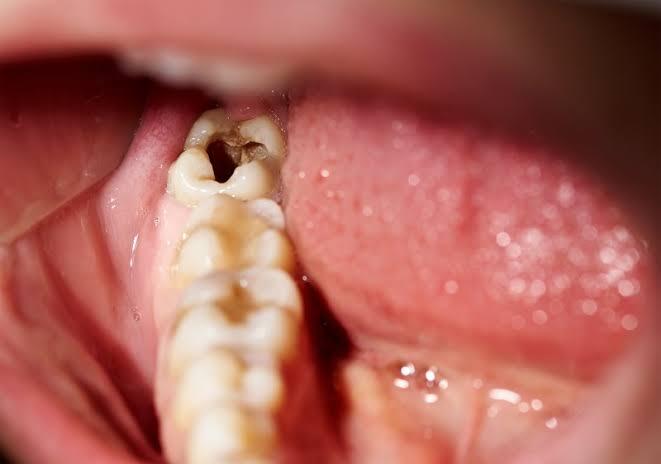

Oral health is often overlooked until pain forces a visit to the dentist. Yet dental issues affect millions of people across Pakistan every year, ranging from minor cavities to serious conditions like oral cancer. Poor dental hygiene, limited awareness, high sugar consumption, and widespread use of paan, gutka, and naswar have made oral health problems in Pakistan a growing public health concern.
In this article, we break down the most common oral health problems in Pakistan, their causes, symptoms, and practical prevention tips so you can protect your smile and avoid costly dental treatment down the line.
Why Oral Health Problems Are So Common in Pakistan
Before diving into specific conditions, it helps to understand why dental health issues in Pakistan are so widespread:
- Low awareness about daily oral hygiene practices
- High consumption of sugary foods, tea, and soft drinks
- Widespread use of tobacco products like paan, gutka, and naswar
- Limited access to affordable dental care, especially in rural areas
- Irregular dental checkups most people visit a dentist only when in pain
These factors combine to make oral hygiene problems far more common in Pakistan than in many other regions, and they set the stage for the specific issues below.
1. Tooth Decay and Cavities
Tooth decay remains one of the most common dental problems in Pakistan, affecting people of all ages from young children to older adults.
Causes of tooth decay:
- Frequent consumption of sugary snacks, sweets, and beverages
- Infrequent or improper brushing
- Skipping flossing, which allows plaque to build up between teeth
- Lack of fluoride exposure in some water supplies
Symptoms:
- Visible holes or pits in teeth
- Tooth sensitivity to hot, cold, or sweet foods
- Persistent toothache
- Dark spots or staining on the tooth surface
Cavity prevention tips:
- Brush twice daily with fluoride toothpaste
- Floss at least once a day
- Limit sugary snacks and drinks between meals
- Schedule a dental checkup every six months
2. Gum Disease (Gingivitis and Periodontitis)
Gum disease is another leading contributor to oral health problems in Pakistan, often progressing silently until it causes serious damage.
Gingivitis is the early stage inflamed, red, or bleeding gums caused by plaque buildup. Left untreated, it can progress to periodontitis, a more severe infection that damages the soft tissue and bone supporting the teeth, potentially leading to tooth loss.
Common causes of periodontitis:
- Poor oral hygiene habits
- Smoking or chewing tobacco products
- Uncontrolled diabetes
- Genetic predisposition
Warning signs of gum disease:
- Red, swollen, or bleeding gums
- Persistent bad breath
- Receding gum line
- Loose or shifting teeth
Early treatment of gingivitis is far easier and less expensive than treating advanced periodontitis, which is why regular dental visits matter.
3. Bad Breath (Halitosis)
Chronic bad breath, or halitosis, is a widespread but often embarrassing oral health issue.
Common causes of bad breath:
- Poor oral hygiene, allowing bacteria to build up on the tongue and teeth
- Gum disease
- Dry mouth (reduced saliva production)
- Strong foods like garlic, onions, and spices
- Tobacco and paan use
- Underlying digestive or sinus issues
How to cure bad breath:
- Brush your tongue along with your teeth
- Stay hydrated to maintain saliva flow
- Use an antibacterial mouthwash
- Avoid tobacco and paan products
- Treat underlying gum disease if present
4. Tooth Sensitivity
Many people in Pakistan experience discomfort while eating or drinking something hot, cold, or sweet a classic sign of tooth sensitivity.
Tooth sensitivity causes:
- Worn tooth enamel from aggressive brushing
- Gum recession exposing tooth roots
- Cavities or cracked teeth
- Teeth grinding (bruxism)
- Overuse of whitening products
Sensitive teeth treatment options:
- Switch to a soft-bristled toothbrush
- Use desensitizing toothpaste
- Avoid excessive acidic or sugary foods
- Consult a dentist for fluoride treatment or a protective coating if sensitivity persists
5. Missing or Broken Teeth
Tooth loss is a significant oral health problem in Pakistan, particularly among older adults and those with untreated dental disease.
Common tooth loss causes:
- Advanced gum disease
- Untreated tooth decay
- Trauma or injury
- Poor nutrition affecting oral bone density
Broken tooth treatment: Depending on severity, options range from dental bonding and crowns to root canal treatment or extraction followed by an implant or bridge. Delaying treatment often makes the problem worse and more expensive to fix.
6. Oral Cancer Risk in Pakistan
This is one of the most urgent and often underreported oral health problems in Pakistan. The widespread use of paan, gutka, and naswar has made oral cancer risk significantly higher in Pakistan compared to many other countries.
Oral cancer causes linked to local habits:
- Chewing paan with tobacco
- Gutka and naswar use
- Cigarette smoking
- Excessive alcohol consumption (less common but still a risk factor)
Warning signs of oral cancer:
- Persistent mouth sores that don’t heal
- White or red patches inside the mouth
- Unexplained bleeding or numbness
- Difficulty chewing or swallowing
- A lump or thickening in the cheek or neck area
Given how closely paan, gutka, and oral cancer risk are linked in Pakistan, avoiding these products is one of the single most impactful things a person can do for their long-term oral and overall health. Anyone experiencing the warning signs above should see a dentist or doctor promptly.
How to Prevent Oral Health Problems
Most of the conditions above are preventable with consistent, simple habits:
- Brush twice daily with fluoride toothpaste
- Floss daily to remove plaque between teeth
- Limit sugary and acidic foods
- Avoid tobacco products, including paan, gutka, and naswar
- Drink plenty of water to maintain saliva flow
- Visit a dentist every six months, even without pain
- Address dental issues early rather than waiting for them to worsen
Conclusion
Oral health problems in Pakistan from cavities and gum disease to the serious risk of oral cancer linked to paan and gutka use are largely preventable with better awareness and consistent care. Simple daily habits like brushing, flossing, and cutting back on tobacco and sugar can make a significant difference. If you’re experiencing any warning signs mentioned above, don’t wait book an appointment with a qualified dentist in Islamabad and take the first step toward better oral health.
Frequently Asked Questions
What are the most common oral health problems in Pakistan?
The most common issues include tooth decay, gum disease, bad breath, tooth sensitivity, tooth loss, and oral cancer the latter driven largely by paan, gutka, and naswar use.
What causes poor oral health?
Poor oral hygiene, high sugar intake, tobacco use, irregular dental visits, and lack of awareness are the leading causes of poor oral health in Pakistan.
How can I prevent oral health problems?
Brushing twice daily, flossing, avoiding tobacco products, eating a balanced diet, and getting regular dental checkups are the most effective prevention strategies.
Why is dental health important?
Poor oral health is linked not just to tooth loss and pain but also to broader health issues such as heart disease, diabetes complications, and oral cancer making prevention essential for overall wellbeing.