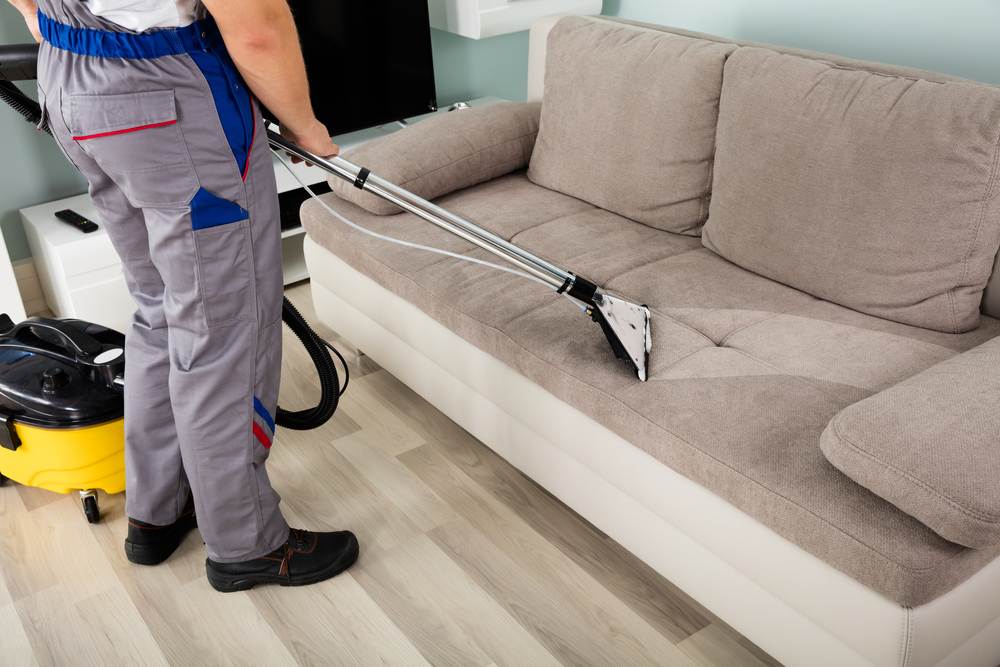

A sofa is often one of the most frequently used and valuable pieces of furniture in a home. From relaxing after a long day to entertaining guests and spending time with family, sofas are exposed to constant use. Over time, this daily activity can lead to the accumulation of dust, dirt, stains, food particles, pet hair, and other contaminants. Without proper maintenance, these factors can gradually affect both the appearance and condition of the upholstery.
Professional sofa cleaning provides a deeper level of care than routine dusting or vacuuming. By removing embedded dirt and treating upholstery appropriately, professional cleaning can help preserve furniture and potentially extend its useful life. Understanding how this process works can help homeowners make better decisions about furniture maintenance.
1. Removes Embedded Dirt and Dust
One of the main reasons sofas become worn over time is the accumulation of dirt within their upholstery. Dust and small particles can settle between fabric fibers and inside cushions where ordinary surface cleaning may not reach them.
When people sit on the sofa, these particles can move deeper into the material and rub against the upholstery. Over time, this friction may contribute to gradual wear.
Professional cleaning equipment is designed to extract accumulated dirt more thoroughly. Removing these particles helps keep upholstery cleaner and can reduce the amount of abrasive material trapped within the fabric.
2. Prevents Stains From Becoming Permanent
Spills and stains are common problems for household furniture. Coffee, tea, juices, sauces, oils, and other substances can quickly leave marks on upholstery.
If stains are ignored for extended periods, they may become increasingly difficult to remove. Some substances can penetrate deeper into the fabric and affect its appearance permanently.
Professional sofa cleaners use suitable cleaning techniques to address different types of stains. Early treatment can improve the chances of removing visible marks while helping maintain the original appearance of the furniture.
3. Protects Upholstery Fibers
Different sofas are made from different materials, including cotton, polyester, microfiber, leather, and blended fabrics. Each material has specific cleaning requirements.
Using excessive water, harsh chemicals, or unsuitable cleaning methods at home can potentially damage upholstery. Professional cleaners can assess the material and select an appropriate cleaning process.
Proper treatment helps avoid unnecessary stress on fabric fibers. This is particularly important for expensive or delicate furniture that requires specialized care.
4. Helps Prevent Fabric Deterioration
Furniture naturally experiences wear, but accumulated dirt can accelerate the process. Small particles trapped in upholstery can act like abrasive material when people sit, move, or lie on the sofa.
Repeated friction can gradually weaken fibers and make fabric look faded or worn. Regular professional cleaning removes much of this buildup, helping the upholstery remain in better condition.
Although cleaning cannot stop normal aging, it can support a better maintenance routine and potentially delay premature deterioration.
5. Reduces Unpleasant Odors
Sofas can absorb odors from various sources around the home. Food, pets, smoke, body oils, and everyday household activity can contribute to unwanted smells.
Surface sprays may temporarily mask these odors, but the source can remain inside the upholstery. Professional cleaning can help remove odor-causing particles and buildup from deeper areas of the sofa.
Keeping the upholstery clean can therefore contribute to a fresher and more pleasant living environment while helping prevent persistent odors from becoming difficult to manage.
6. Maintains the Sofa’s Appearance
A well-maintained sofa can significantly improve the appearance of a room. On the other hand, faded fabric, visible stains, and accumulated dirt can make even quality furniture look old.
Regular professional cleaning can refresh upholstery by removing surface and embedded contaminants. This can help preserve the sofa’s original appearance for longer.
Maintaining a sofa’s appearance is especially valuable when the furniture is expensive or has a design that complements the overall interior of the home.
7. Helps Maintain Cushion Quality
Sofa cushions are exposed to continuous pressure from regular use. Dust, dirt, and other particles can accumulate inside and around cushions, while spills may penetrate into their material.
Proper cleaning helps maintain a cleaner cushion environment and can address buildup that ordinary surface cleaning cannot reach. Combined with rotating cushions and following manufacturer care instructions, professional cleaning can become an important part of furniture maintenance.
However, cleaning should always be performed according to the sofa manufacturer’s recommendations to avoid damaging internal materials.
8. Supports Better Furniture Maintenance
Professional sofa cleaning should not replace everyday care. Instead, it should complement regular maintenance.
Homeowners can vacuum upholstery, remove crumbs, clean minor spills promptly, and avoid placing excessively dirty items on the sofa. Periodic professional cleaning can then provide a deeper treatment.
This combination of routine and professional care can help prevent dirt from accumulating excessively and reduce the need for aggressive cleaning later.
9. Saves Money in the Long Run
Replacing a sofa can be expensive, particularly when purchasing high-quality furniture. If upholstery becomes severely stained, damaged, or worn prematurely, homeowners may need to replace it sooner than expected.
Regular cleaning can help protect the condition of the furniture and potentially extend its useful lifespan. While professional cleaning involves an upfront cost, maintaining existing furniture may be more economical than repeatedly replacing sofas due to preventable neglect.
10. Professional Cleaning Is Safer for Specialized Upholstery
Some sofas require more careful treatment than others. Delicate fabrics, specialty finishes, and certain leather materials may react poorly to incorrect cleaning products.
Professional cleaners have experience working with different upholstery materials and can choose cleaning methods based on the sofa’s condition and fabric requirements.
This reduces the likelihood of accidental damage caused by inappropriate household cleaning techniques and helps ensure that the furniture receives suitable care.
How Often Should You Professionally Clean Your Sofa?
The ideal cleaning frequency depends on several factors, including household size, sofa usage, pets, children, indoor conditions, and the type of upholstery.
A lightly used sofa may require professional cleaning less frequently, while heavily used furniture may benefit from more regular treatment. Homeowners should also consider professional cleaning after significant spills, noticeable staining, or when the upholstery begins to develop persistent odors.
Following the manufacturer’s cleaning recommendations is always important before arranging any professional treatment.
Conclusion
Professional sofa cleaning can play an important role in protecting furniture from the gradual effects of dirt, stains, dust, odors, and everyday wear. By removing embedded contaminants, treating stains appropriately, and using upholstery-specific cleaning methods, professional services can help maintain the sofa’s appearance and condition for longer.
Regular maintenance combined with professional cleaning can be a practical way to protect your furniture investment and keep your home looking clean and comfortable. For homeowners seeking dependable furniture care, RPTS Cleaning offers a useful solution for maintaining upholstered furniture. If you are considering Professional Sofa Cleaning in Business Bay, choosing a professional service can help ensure your sofa receives the appropriate cleaning and care it needs to stay in better condition for years to come.