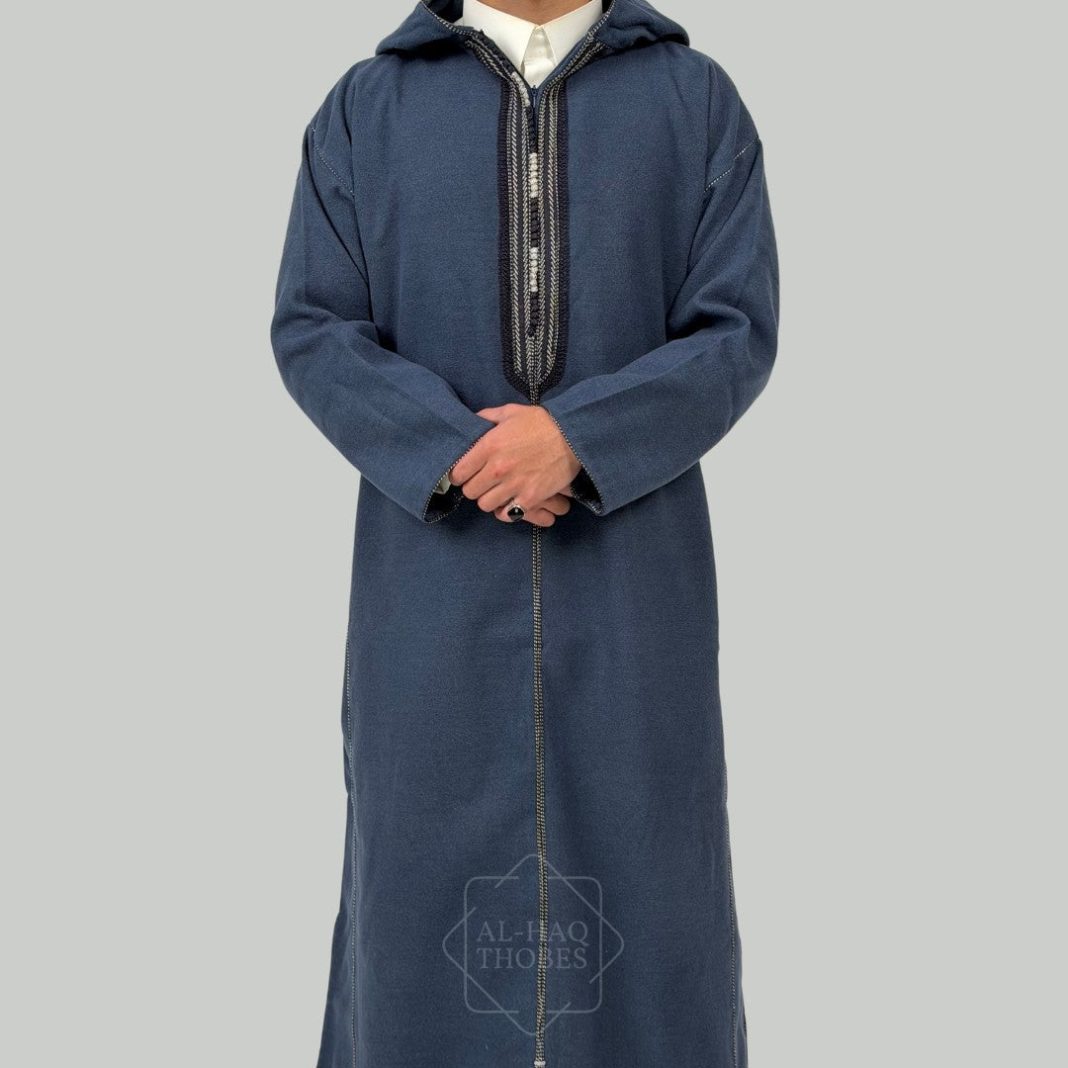

Traditional men’s fashion across the Islamic world reflects a rich tapestry of regional cultures, climates, and artistic traditions. While many regions favor loose, flowing garments, North African attire stands out with its unique tailoring, intricate embroidery, and functional hooded designs. Understanding these regional variations offers a deeper appreciation for how traditional wear balances cultural heritage with everyday comfort and practical utility.
Among the various traditional garments worn throughout the region, the North African variation has gained international appreciation for its unique silhouette. Exploring the crafted details of a authentic Moroccan Thobe reveals short, broad sleeves, intricate chest embroidery, and a relaxed, comfortable drape suited for diverse weather conditions. This iconic robe offers a refined alternative to the crisp, structured shirts and coats found in Western wardrobes.
Historical Evolution of North African Attire
The roots of North African traditional dress run deep into the region’s Berber and Arab heritage. For centuries, artisans have passed down specialized embroidery techniques that adorn the neckline, chest, and cuffs of these robes. The incorporation of a integrated hood, traditionally known as a burnous or djellaba style, provided essential protection against both the scorching desert sun and the chilly mountain winds of the Atlas region.
Unlike the sleek, minimalist silhouettes common in Gulf dress, the Maghrebi style emphasizes artisanal embellishment and textured fabrics. Hand-braided trim, known locally as sfifa, lines the seams and button closures, showcasing hours of detailed handwork. This blend of decorative artistry and structural utility has ensured that the garment remains a central feature of North African identity during both quiet daily life and major cultural celebrations.
Fabric Selection for Seasonal Wear
Choice of textile plays a crucial role in the comfort and functional appeal of traditional North African garments. Lightweight cotton, breathable linen, and fine silk blends dominate the warm summer months, allowing airflow and moisture management during hot days. These breathable fabrics help wearers stay cool without compromising modest coverage or elegant presentation.
As temperatures drop in late autumn and winter, heavier materials come into play. Wool blends, plush fleece linings, and dense woven cottons transform the garment into a warm, protective outer layer. The attached hood becomes especially practical during cold evenings, offering immediate warmth for the head and neck without requiring extra winter accessories like heavy scarves or hats.
Modern Styling and Versatile Wardrobe Integration
In contemporary menswear, traditional robes are no longer restricted to strictly ceremonial occasions. Fashion-conscious men increasingly incorporate these North African garments into casual everyday outfits, layering them over modern trousers or t-shirts for a relaxed, cultured aesthetic. The loose cut allows unrestricted movement, making it an ideal choice for spending time at home, attending family gatherings, or heading out for evening strolls.
Color palettes have also evolved beyond traditional neutrals like white, cream, and beige. While these classic shades remain popular for formal events and religious gatherings, modern collections feature rich earth tones, deep forest greens, navy blues, and warm burgundies. These varied color choices allow individuals to express personal taste while staying connected to cultural roots.
For more details visit our website: https://www.al-haqthobes.com/
Navigating traditional menswear options opens the door to timeless elegance and exceptional comfort. Embracing the rich craftsmanship and unique design elements of North African garments allows modern wearers to enjoy historical artistry tailored for everyday life.