Modern agriculture is no longer just about seeds, soil, and rainfall. As global food demand rises and farming challenges grow more complex, the use of agricultural chemicals has become an essential part of sustainable, productive crop cultivation. From protecting crops against pests and diseases to improving soil fertility and yield quality, these solutions help farmers achieve consistent and profitable harvests.
At the same time, environmental concerns and food safety regulations are reshaping how crop protection products are developed and used. This shift has led to the growing importance of bio pesticide company, which focus on eco-friendly alternatives that align productivity with sustainability. Understanding how agricultural chemicals work—and how bio-based solutions fit into the bigger picture—helps farmers make informed decisions for the future.
Understanding Agricultural Chemicals in Modern Farming
Agricultural chemicals refer to a wide range of substances used in farming to protect crops, improve growth, and enhance yield. These include herbicides, insecticides, fungicides, fertilizers, and plant growth regulators. When used responsibly, they reduce crop losses, stabilize food supply, and support efficient land use.
In countries like India, where agriculture supports millions of livelihoods, crop losses due to pests, weeds, and diseases can significantly affect farmer income. Agricultural chemicals help manage these risks, allowing farmers to cultivate crops more reliably across diverse climatic and soil conditions.
However, modern farming is moving beyond conventional chemical solutions alone. Today’s focus is on combining effectiveness with environmental responsibility, paving the way for bio-based innovations.
Key Types of Agricultural Chemicals and Their Roles
Herbicides for Weed Control
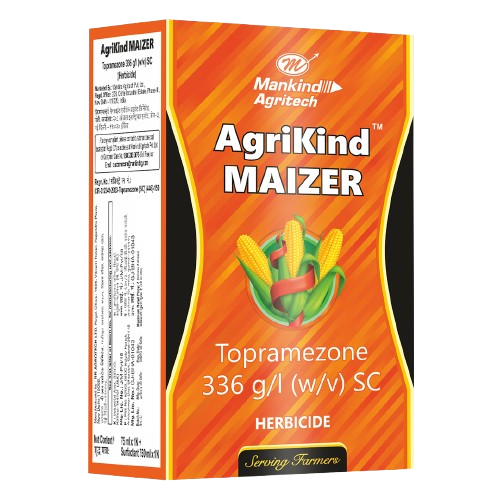
Weeds compete with crops for nutrients, water, and sunlight. Herbicides are designed to control or eliminate unwanted plants without harming crops. Selective herbicides target specific weeds, while non-selective ones clear entire fields before sowing. Efficient weed management reduces labor costs and improves crop yield consistency.
Insecticides for Pest Management
Insects can destroy crops at various growth stages. Insecticides help control pest populations, preventing damage to leaves, stems, and fruits. Modern formulations focus on targeted action to reduce harm to beneficial insects such as pollinators.
Fungicides for Disease Prevention
Fungal infections can spread rapidly, especially in humid conditions. Fungicides protect crops from diseases like rusts, blights, and mildews, ensuring healthier plants and better-quality produce.
Fertilizers and Soil Conditioners
While fertilizers supply essential nutrients, soil conditioners improve soil structure and microbial activity. Together, they enhance nutrient absorption and long-term soil fertility.
Each category plays a specific role, but their combined and balanced use determines overall farming success.
The Rise of Bio-Based Crop Protection Solutions
With increasing awareness of environmental sustainability and food safety, farmers and policymakers are looking for safer alternatives to conventional chemicals. This is where a bio pesticides company becomes crucial.
Bio pesticides are derived from natural sources such as plants, microorganisms, and minerals. Unlike synthetic chemicals, they work in harmony with nature, targeting pests while minimizing damage to non-target organisms and ecosystems.
Why Bio Pesticides Matter Today
Bio pesticides offer several advantages that align with modern agricultural goals:
- Reduced chemical residue on crops
- Lower risk of pest resistance
- Enhanced soil health and biodiversity
- Safer application for farmers and consumers
As regulations around chemical usage tighten globally, bio pesticides are no longer optional—they are becoming a necessity.
How a Bio Pesticides Company Supports Sustainable Agriculture
A trusted bio pesticides company plays a vital role in bridging the gap between productivity and sustainability. By investing in research and innovation, these companies develop products that are both effective and environmentally responsible.
Research and Development Innovation
Bio pesticide companies focus on identifying naturally occurring organisms or compounds that can control pests effectively. Continuous research ensures that these products meet modern farming needs while complying with safety standards.
Farmer Education and Training
Adoption of bio-based solutions requires knowledge. Leading companies provide training programs that educate farmers on correct application methods, dosage, and integration with existing agricultural practices.
Integrated Pest Management Support
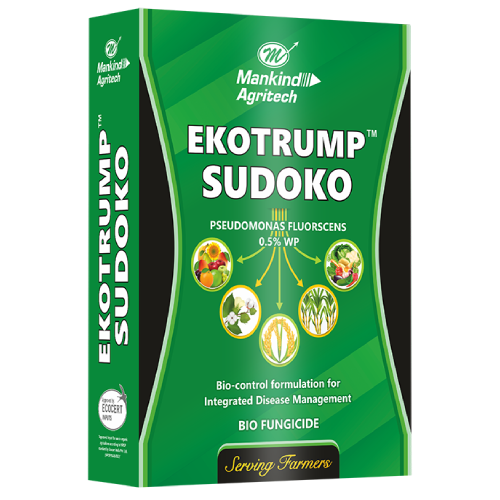
Bio pesticides work best when combined with Integrated Pest Management (IPM) strategies. A bio pesticides company often supports IPM adoption by offering solutions that complement mechanical, biological, and cultural farming practices.
Balancing Agricultural Chemicals with Bio Solutions
The future of agriculture does not lie in eliminating agricultural chemicals entirely but in optimizing their use. A balanced approach combines conventional agricultural chemicals with bio-based products to achieve high productivity while protecting natural resources.
For example, farmers may use chemical herbicides for initial weed control and bio pesticides for ongoing pest management. This integrated approach reduces chemical load on the environment while maintaining crop health and profitability.
Such balanced systems also help farmers adapt to climate variability, pest evolution, and changing regulatory frameworks.
Benefits for Farmers and the Environment
When agricultural chemicals are used responsibly and supplemented with bio pesticides, the benefits extend beyond crop yield.
Improved Crop Quality
Healthier plants result in better-quality produce, which meets market standards and fetches higher prices.
Long-Term Soil Health
Reduced reliance on harsh chemicals preserves soil microorganisms essential for nutrient cycling and water retention.
Environmental Protection
Lower chemical runoff protects water bodies and surrounding ecosystems, contributing to long-term agricultural sustainability.
Economic Stability for Farmers
Efficient pest and weed control reduces crop losses, ensuring predictable income and reduced input wastage.
Challenges and the Road Ahead
Despite their benefits, bio pesticides still face challenges such as limited shelf life, slower action compared to chemical alternatives, and a lack of awareness among small-scale farmers. However, these challenges are being addressed through technological advancements and supportive government policies.
As awareness grows, collaboration between farmers, researchers, and manufacturers will accelerate adoption. The role of a bio pesticides company will become even more critical in developing solutions tailored to regional crops and conditions.
Conclusion
The evolution of farming practices highlights the importance of understanding agricultural chemicals and their responsible use. While conventional products remain essential for large-scale food production, the growing influence of every bio pesticides company reflects agriculture’s shift toward sustainability and environmental stewardship.
By combining innovation, education, and eco-friendly solutions, companies like Mankind Agritech are supporting farmers in adopting modern agricultural practices that balance productivity with long-term soil and environmental health. As agriculture continues to evolve, such integrated approaches will shape a more resilient and sustainable future for farming worldwide.