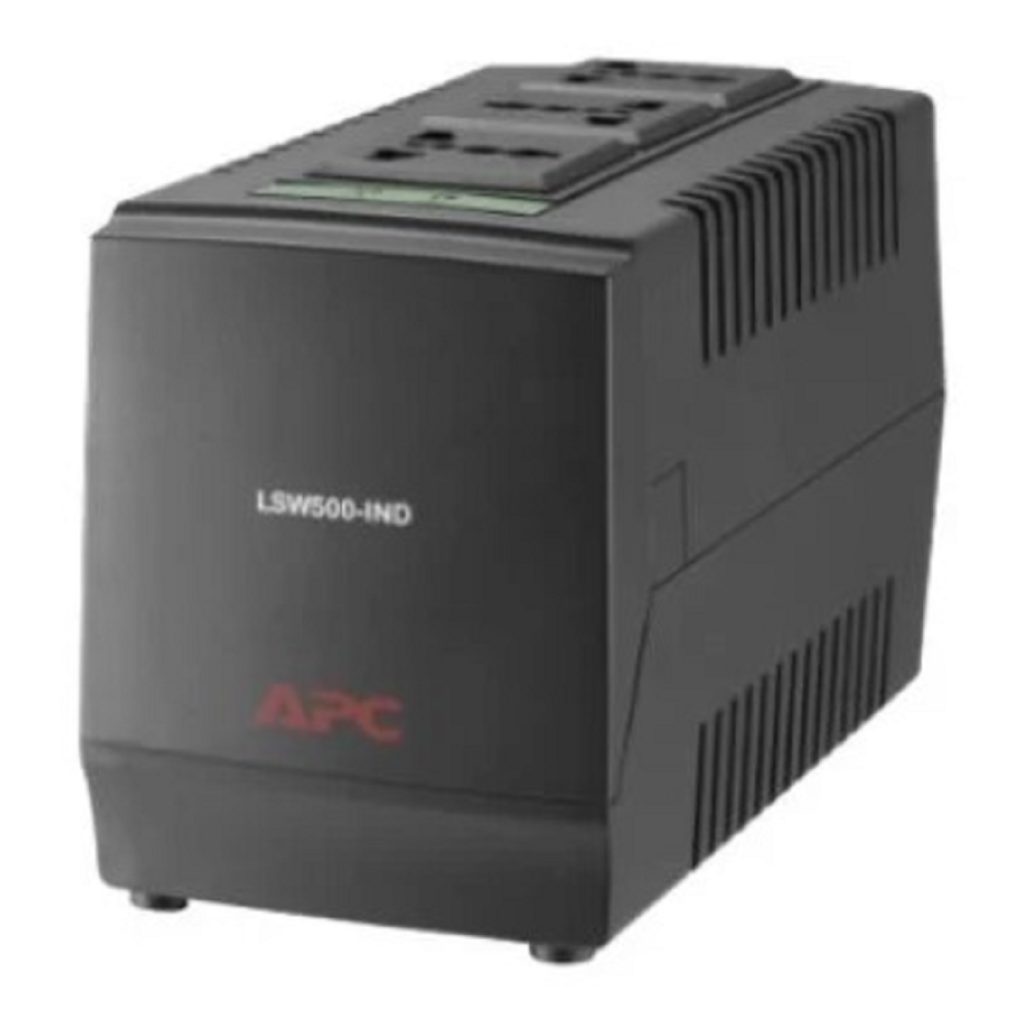
In today’s world, household appliances have become more advanced and sensitive to power fluctuations. From refrigerators and air conditioners to home entertainment systems and washing machines, modern appliances demand stable electricity to function efficiently and safely. Voltage fluctuations, however, remain a common problem in many regions, leading to appliance damage, reduced lifespan, and increased repair costs. This is why choosing the right mainline voltage stabilizer for home is essential for ensuring a consistent power supply and long-term appliance protection. This article explores the key features you should look for in a stabilizer, along with helpful tips to guide your purchase.
Understanding the Role of a Mainline Voltage Stabilizer
A mainline voltage stabilizer for home is installed at the main power supply line to regulate incoming voltage for the entire house. Unlike individual appliance stabilizers, a mainline stabilizer safeguards all home appliances at once, making it a cost-effective and efficient solution.
It ensures that the voltage entering your home stays within safe limits, compensating for sudden spikes and drops caused by grid issues, transformer faults, or high power demand in your neighbourhood. This makes it an excellent investment for households experiencing recurring voltage fluctuations.
1. Check Voltage Input Range
A stabilizer’s efficiency largely depends on its input voltage range. Before purchasing a mainline voltage stabilizer for home, determine the frequency and degree of voltage fluctuations in your area. Stabilizers come with specific input ranges, such as:
- 90V–300V
- 140V–280V
- 160V–260V
If you live in an area with extreme fluctuations, choose a model with a wider range, like 90V–300V, for maximum protection. A wider input range guarantees stable performance even during severe voltage drops or spikes.
2. Look for Automatic Voltage Regulation
One of the most important features in an automatic voltage stabilizer for home use is AVR, or Automatic Voltage Regulation. AVR helps maintain a consistent voltage output regardless of how unstable the incoming power is. This technology ensures that sensitive electronics receive stable voltage, preventing long-term damage and significantly improving appliance lifespan.
AVR-equipped stabilizers are reliable, efficient, and ideal for homes where voltage changes are frequent.
3. Consider Load Capacity
Load capacity determines how much electrical load a stabilizer can handle. When choosing a mainline voltage stabilizer for home, calculate the total load of all your home appliances, especially high-power devices like:
- Air conditioners
- Refrigerators
- Washing machines
- Microwave ovens
- Water heaters
Most homes require stabilizers with capacities ranging from 5 kVA to 10 kVA. Larger homes or homes with multiple heavy appliances may need 15 kVA or higher. Choosing the correct capacity prevents overloading, ensures longer stabilizer life, and guarantees proper performance.
4. Choose a Stabilizer with an Efficient Cooling System
Since stabilizers work continuously, they generate heat. A good cooling system improves stabilizer efficiency and prevents overheating. Look for stabilizers with:
- Ventilated metal cabinets
- High-speed cooling fans
- Heat-resistant internal components
Efficient cooling is essential for ensuring reliability and extending the stabilizer’s life. High-quality stabilizers designed for long-term operation come with robust cooling systems to maintain safe operating temperatures.
5. Check for Digital Display and Monitoring Features
Modern stabilizers are equipped with digital displays that show real-time voltage readings. This is extremely useful when installing a mainline voltage stabilizer for home, as it allows users to monitor:
- Input voltage
- Output voltage
- Load status
- Fault indicators
These monitoring features enhance user convenience and help identify voltage abnormalities quickly. Digital monitoring also helps detect potential issues before they escalate.
6. Ensure Built-in Protection Features
A stabilizer is designed to protect your home appliances, but the stabilizer itself must be equipped with safety features. When choosing an automatic voltage stabilizer for home use, ensure it includes:
- Overload protection to prevent damage during sudden load increases
- Short-circuit protection for electrical safety
- Surge protection to absorb power surges caused by lightning or grid faults
- Low and high voltage cutoffs to shut off power during extreme voltage fluctuations
These protection mechanisms ensure safe operation and keep your appliances shielded during unexpected electrical events.
7. Look for Time-Delay Function
A time-delay feature is particularly important for appliances like compressors in refrigerators and air conditioners. These appliances need a few minutes to balance their internal pressure before restarting.
A mainline voltage stabilizer for home with a built-in time-delay function ensures adequate protection by preventing immediate restarts after a power failure. This reduces compressor stress and enhances appliance durability.
8. Durability and Build Quality
Stabilizers are long-term investments, so durability matters. Look for stabilizers built with:
- High-quality metal or ABS casing
- Copper-wound transformers
- Heat-resistant circuits
- Shockproof outer body
A well-built stabilizer performs reliably in all weather conditions and withstands extended usage without failure.
9. Warranty and Brand Reputation
Always prioritize buying from a reputable brand known for quality and reliability. A strong warranty—typically 2 to 5 years—indicates that the brand stands behind its product. Established brands also offer better customer support, making it easier to resolve issues if they arise.
Choosing a trusted brand ensures that your automatic voltage stabilizer for home use delivers consistent performance.
10. Installation and Space Requirements
Before purchasing, verify where and how the stabilizer will be installed. Mainline stabilizers are usually mounted near the main distribution board, so make sure there is enough space and proper ventilation. Professional installation is recommended to ensure safety and correct wiring connections.
11. Compare Prices and Customer Reviews
Online reviews provide valuable insights into product performance, durability, and user experience. When selecting a mainline voltage stabilizer for home, compare models based on:
- User feedback
- Energy efficiency
- Real-world performance
- Compatibility with home appliances
Avoid low-priced stabilizers that compromise on build quality or safety features. Investing in a high-quality stabilizer ensures superior long-term protection.
Conclusion
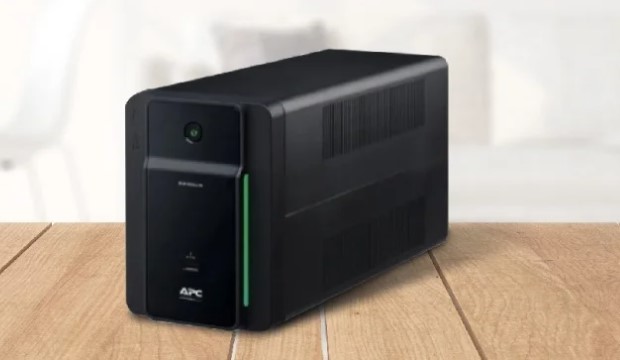
Choosing the best mainline voltage stabilizer for home requires careful consideration of voltage range, load capacity, safety features, and brand reliability. Modern stabilizers with digital displays, AVR technology, and built-in safety mechanisms provide excellent protection for household appliances. For families looking to secure their electrical systems with durable, efficient, and smart voltage management solutions, Schneider Electric eShop offers high-performance stabilizers, including advanced automatic voltage stabilizer for homeuse options designed to keep appliances safe from unpredictable fluctuations.