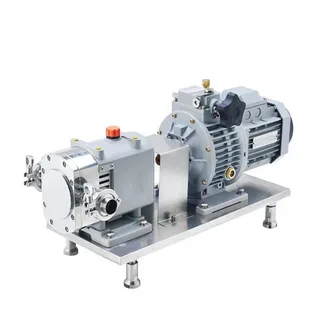

Rotary lobe pumps are vital components in industries such as food processing, pharmaceuticals, wastewater treatment, and chemical manufacturing. Ensuring their longevity requires a systematic approach to maintenance and care. Without proper handling, these pumps can suffer from efficiency loss, increased wear and tear, and unexpected failures. This article provides valuable insights into how proper care can enhance the lifespan of a rotary lobe pump.
Regular Inspection and Preventive Maintenance
Routine inspection is essential to detect potential problems before they escalate into costly repairs or replacements. Regularly checking for signs of wear, leaks, and misalignment ensures that the rotary lobe pump continues operating at peak efficiency. Examining the seals, bearings, and lobes can prevent performance degradation and minimize downtime. A well-planned maintenance schedule should include visual inspections, vibration analysis, and temperature monitoring to detect early signs of mechanical failure.
Preventive maintenance goes beyond routine inspections by proactively replacing worn components before they cause system failures. This includes replacing lubricants, checking shaft alignment, and verifying proper coupling between the pump and motor. By adhering to a detailed maintenance plan, industries can significantly reduce the risk of unexpected breakdowns, enhance performance, and extend the operational life of their rotary lobe pump.
Proper Lubrication and Seal Care
Lubrication plays a crucial role in the efficient functioning of a rotary lobe pump. Improper lubrication can lead to excessive friction, overheating, and component failure. It is essential to use the manufacturer-recommended lubricants and adhere to the recommended lubrication schedule. Over-lubrication can be just as detrimental as under-lubrication, as it can cause seal degradation and leakage. Regularly monitoring oil levels and ensuring the correct viscosity can help maintain pump efficiency.
Seal integrity is another critical aspect of pump longevity. Damaged or worn seals can lead to leaks, reduced pressure, and contamination of processed materials. Ensuring that seals are properly installed and replacing them when necessary prevents unnecessary strain on the pump system. Additionally, using high-quality seals suited for the specific pumping application can enhance durability and prevent premature failure.
Ensuring Proper Alignment and Installation
Improper installation and misalignment are common causes of premature rotary lobe pump failure. Ensuring that the pump is correctly installed and aligned minimizes mechanical stress and enhances operational efficiency. During installation, it is crucial to follow the manufacturer’s guidelines regarding mounting, piping connections, and torque settings. Improper alignment can cause excessive wear on bearings, seals, and shafts, leading to increased maintenance costs and shorter equipment life.
Regular alignment checks should be performed, particularly after servicing or replacing components. Using laser alignment tools or dial indicators can ensure precise alignment between the pump and the drive system. Proper alignment reduces vibration, prevents excessive energy consumption, and ensures that the pump operates smoothly for an extended period.
Managing Pump Flow and Avoiding Cavitation
Maintaining optimal flow conditions is crucial for maximizing the lifespan of a rotary lobe pump. Operating the pump within its recommended flow and pressure parameters prevents undue stress on internal components. Excessive pressure or sudden changes in flow rate can cause mechanical damage, resulting in costly repairs. Properly sizing the pump for its intended application and ensuring adequate suction conditions can help maintain stable operation.
Cavitation is a common issue that can significantly reduce the efficiency and longevity of a rotary lobe pump. It occurs when vapor bubbles form and collapse within the pump, causing pitting and erosion of internal components. To prevent cavitation, operators should ensure that suction lines are properly sized, avoid excessive inlet restrictions, and maintain the correct fluid viscosity. Addressing these factors can prevent premature wear and enhance pump reliability.
Cleaning and Storage Best Practices
Regular cleaning is essential to prevent contamination and buildup of residues that could affect the performance of a rotary lobe pump. Industries dealing with food products, pharmaceuticals, or chemicals must ensure thorough cleaning to meet hygiene standards and prevent cross-contamination. Clean-in-place (CIP) systems are commonly used for rotary lobe pumps to facilitate efficient and thorough cleaning without disassembly. Ensuring that cleaning agents are compatible with pump materials prevents damage to seals and internal components.
Proper storage practices also contribute to extending the pump’s lifespan. When a rotary lobe pump is not in use, it should be stored in a dry, temperature-controlled environment. Protective covers can help prevent dust and debris from entering the pump. If the pump is expected to remain idle for an extended period, periodic rotation of the lobes and lubrication of critical components can prevent seizing and corrosion.
Conclusion
By implementing proper care and maintenance strategies, businesses can significantly enhance the lifespan and efficiency of their rotary lobe pump. Regular inspections, proper lubrication, alignment, flow management, and cleaning practices all contribute to reducing downtime and operational costs. A proactive approach to pump maintenance ensures reliable performance and extends the longevity of this essential industrial equipment.