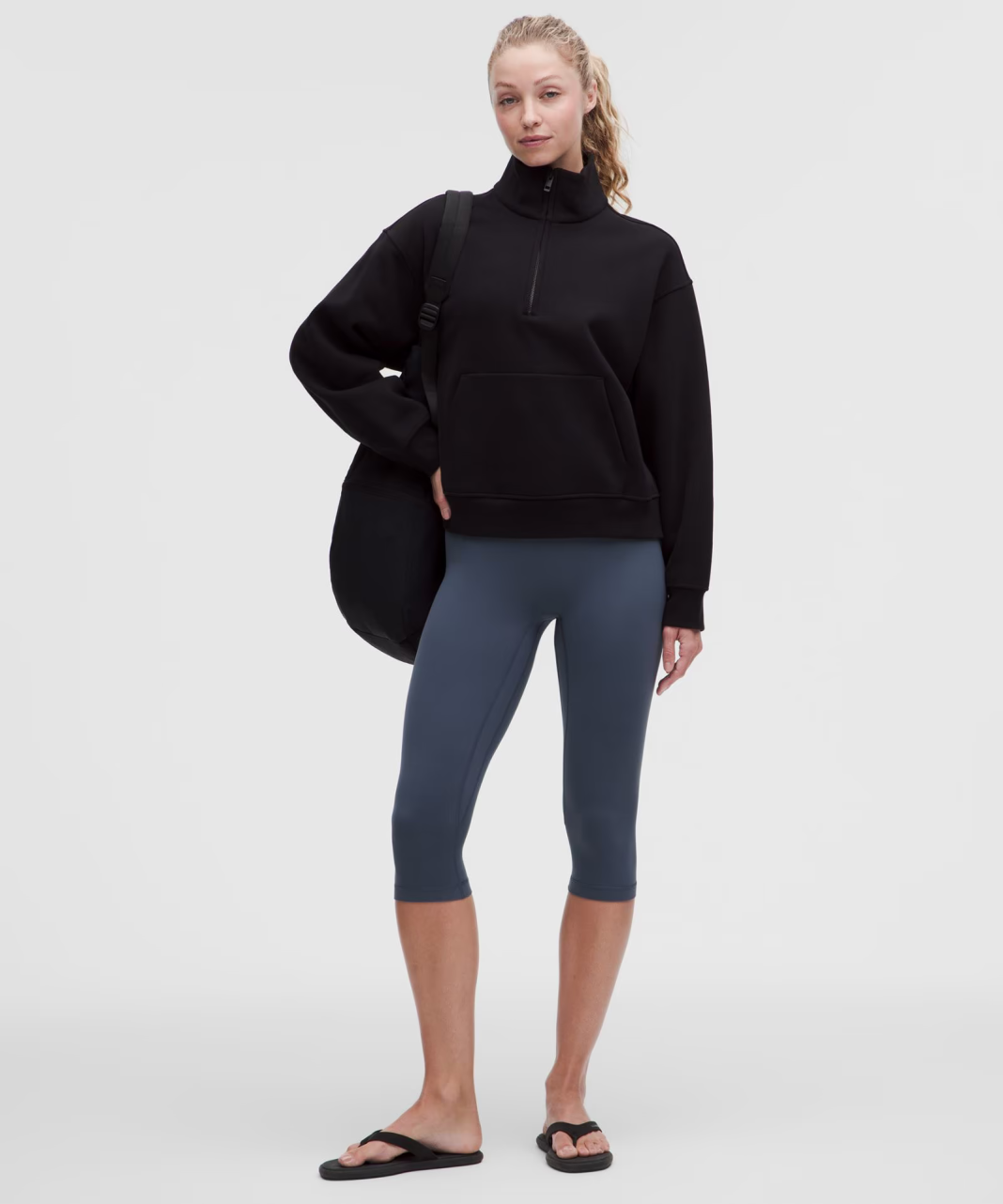

Few clothing brands have built as loyal a following as Lululemon. What began as a small yoga-wear idea has grown into a global name that people recognize on the street, in the gym, and at the office. Shoppers around the world now treat Lululemon as a daily wardrobe choice, not just workout gear. In this guide, we look at how the brand got here, what it sells, and why it still matters as shopper habits keep changing.
What Is Lululemon and Where Did It Start?
Lululemon was founded in 1998 in Vancouver, Canada, by Chip Wilson. The first store was a design studio by day and a yoga studio at night, which tells you a lot about the brand’s roots. Lululemon was built around real people who moved their bodies every day, not around fashion runways. That focus on movement, comfort, and sweat-friendly fabric shaped everything that followed.
Today, Lululemon sells apparel, shoes, bags, and accessories for yoga, running, training, tennis, golf, and everyday life. Its official website describes the brand as a technical athletic company that creates clothing for sweating, moving, and living well. That mission explains why the products feel more like performance gear than ordinary casual wear.
Why Lululemon Leggings Became a Cultural Favorite
Ask any fan about Lululemon and the Align legging usually comes up first. The fabric is soft, smooth, and light, and many wearers say it feels like a second skin. The brand also offers other legging styles with firmer support for high-intensity training, so there is a pair for almost every activity.
The reason this product works is simple. Lululemon spends real time testing fabric, seams, and fit before a piece reaches the shelf. Flat seams reduce rubbing, stretch panels allow free movement, and moisture-wicking materials help you stay dry. When a product solves a daily problem, people tell their friends, and that word of mouth has helped Lululemon grow without relying only on loud advertising.
Lululemon and the Athleisure Trend
The biggest market shift of the past decade is the rise of athleisure, which means clothing that works for exercise and for normal life. Lululemon was ahead of this trend and still leads it. People now wear a Lululemon hoodie to the airport, a pair of stretch trousers to work, and a belt bag to run errands.
This blending of sport and daily life is not slowing down. Remote and hybrid work keeps comfort high on everyone’s priority list, and wellness has become a normal part of the day. Lululemon fits neatly into that world, which is why it keeps showing up in conversations about modern shopping habits. Products like the Scuba hoodie, the ABC trousers, and the Everywhere Belt Bag have become small status symbols because they are useful first and stylish second.
Growth Beyond Women’s Wear
For years, Lululemon Canada was seen mainly as a women’s brand. That picture has changed. The men’s range now includes training shorts, joggers, polos, jackets, and shoes, and it has become a serious part of the business. Many men like the same things women do: fabric that stretches, dries fast, and does not lose its shape after many washes.
Lululemon has also moved into footwear and into sport-specific lines such as golf and tennis. This wider range gives the brand more ways to reach new customers and keeps existing customers shopping with it for longer.
Community and Experiences
One thing that sets Lululemon apart is how much it invests in community. Stores often host free in-store classes, run clubs, and local events, and the brand works with local ambassadors who teach and inspire others. This turns shopping into something social, not just a transaction.
The company has also built membership programs that give shoppers access to events and early experiences. For many customers, this feeling of belonging matters as much as the product itself. In a market where anyone can order leggings online in seconds, a real community is hard for competitors to copy.
Sustainability and the Resale Movement
Shoppers today care more about where their clothes come from and where they end up. Lululemon has set public goals around using more sustainable materials and reducing its environmental impact, and it has put real effort into circular fashion. Its resale program, known as Like New, lets customers trade in gently used items and buy pre-owned pieces at a lower price.
This is an important trend for the whole industry. Second-hand shopping is growing fast, especially among younger buyers who want quality without paying full price. By supporting resale directly, Lululemon keeps its products in use for longer and builds trust with people who want to shop more responsibly. It is worth remembering that progress on sustainability takes time, so the brand is still working toward its larger goals.
Is Lululemon Worth the Price?
This is the question almost everyone asks. Lululemon is not cheap, and many competitors offer similar looks for less. Still, loyal customers argue that the cost per wear is low because the items last. A good pair of leggings that holds its shape for years can be better value than a cheaper pair replaced every few months.
The brand also offers a limited-time returns policy and customer support that many shoppers find reassuring. For first-time buyers, a smart approach is to start with one core item, such as a pair of leggings or a versatile jacket, and see how it performs before building a larger wardrobe.
How to Choose the Right Lululemon Pieces
Start with your main activity. Yoga and low-impact movement suit softer, lighter fabrics, while running and gym training call for more support and breathability. Check the size guide on the official website, since fit can vary between product lines. Read customer reviews to see how an item feels after repeated washing, and choose neutral colors first if you want pieces that mix easily.
Buying fewer, better items is usually smarter than buying many. Lululemon pieces are designed to be worn often, so think about how many times you will realistically use each one.