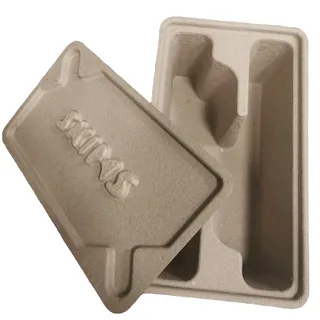

The shift toward sustainable packaging has gained momentum as consumers and businesses become increasingly aware of environmental concerns. Traditional plastic and Styrofoam packaging materials have contributed significantly to global waste, prompting industries to seek eco-friendly alternatives. Molded pulp manufacturers have emerged as key players in this transition, providing biodegradable and recyclable packaging solutions that reduce carbon footprints. Governments worldwide are also implementing stricter regulations on single-use plastics, further fueling the demand for sustainable packaging solutions.
As awareness about environmental issues grows, major industries, including food and beverage, electronics, and healthcare, are integrating molded pulp packaging into their supply chains. The material’s ability to be compostable and recyclable makes it an attractive choice for companies aiming to meet sustainability goals. With increased investment in research and development, molded pulp manufacturers are continuously improving their production processes, making their products more durable and cost-effective.
Technological Advancements in Molded Pulp Manufacturing
The evolution of molded pulp manufacturing has been driven by technological advancements that enhance efficiency, design flexibility, and overall product quality. Early molded pulp packaging primarily consisted of simple shapes such as egg cartons and protective trays. However, modern manufacturing techniques, such as thermoforming and 3D mold design, have enabled the creation of complex and aesthetically appealing packaging solutions. These innovations allow molded pulp manufacturers to cater to a broader range of industries, including luxury goods and electronics.
Automation and AI-driven processes have also significantly improved the production capabilities of molded pulp manufacturers. With advanced molding technologies, manufacturers can now achieve higher precision, reducing material waste and optimizing energy consumption. Additionally, innovations in raw material processing have expanded the types of fibers that can be used, including agricultural waste and recycled paper, further enhancing sustainability. As technology continues to advance, molded pulp manufacturers are poised to deliver more competitive and high-quality packaging solutions.
The Role of Molded Pulp Manufacturers in Reducing Environmental Impact
Molded pulp manufacturers play a crucial role in minimizing environmental damage caused by conventional packaging materials. Unlike plastic packaging, which takes centuries to decompose, molded pulp is biodegradable and can break down naturally within weeks or months. This eco-friendly characteristic significantly reduces landfill waste and ocean pollution. Moreover, molded pulp packaging requires fewer resources to produce, consuming less water and energy compared to plastic and foam alternatives.
Beyond its biodegradability, molded pulp packaging is often sourced from renewable and recycled materials, making it a circular economy-friendly solution. Many manufacturers utilize post-consumer waste, such as recycled newspapers and cardboard, to produce their products. By repurposing existing materials, molded pulp manufacturers contribute to reducing deforestation and greenhouse gas emissions. As global industries continue their shift toward sustainability, molded pulp packaging is becoming a preferred choice for businesses looking to align with environmental best practices.
Market Growth and Competitive Landscape of Molded Pulp Manufacturers
The molded pulp packaging market has experienced substantial growth in recent years, driven by rising consumer demand for sustainable products. According to industry reports, the market is projected to grow at a significant compound annual growth rate (CAGR) over the next decade. Factors such as increasing e-commerce activities, stringent environmental regulations, and corporate sustainability initiatives are fueling this expansion. Major retailers and brands are recognizing the need for sustainable packaging, leading to increased collaborations with molded pulp manufacturers.
As the industry grows, competition among molded pulp manufacturers is intensifying. Companies are investing in cutting-edge technologies, expanding production capacities, and innovating new designs to differentiate themselves. Partnerships with major corporations and food chains have further strengthened their market presence. Additionally, the rising popularity of eco-conscious consumerism has led to greater brand loyalty for companies that adopt molded pulp packaging. With more players entering the industry, the competitive landscape is expected to drive continuous innovation and market expansion.
Future Prospects and Challenges for Molded Pulp Manufacturers
The future of molded pulp manufacturers looks promising as sustainability remains a top priority for industries worldwide. Advancements in material science, automation, and design customization will continue to push the boundaries of what molded pulp packaging can achieve. As more companies prioritize green initiatives, demand for innovative and high-quality molded pulp solutions will surge. Additionally, growing government incentives and policies supporting sustainable manufacturing are expected to further drive industry growth.
Despite the optimistic outlook, molded pulp manufacturers face challenges that need to be addressed. Production costs can still be higher compared to traditional plastic packaging, making affordability a key consideration for businesses. Moreover, the supply chain for raw materials must be strengthened to ensure a consistent and sustainable source of pulp. Overcoming these hurdles will require continued investment in research and collaboration between stakeholders. Nonetheless, with increasing global awareness of environmental issues, molded pulp manufacturers are well-positioned to lead the eco-friendly packaging revolution.