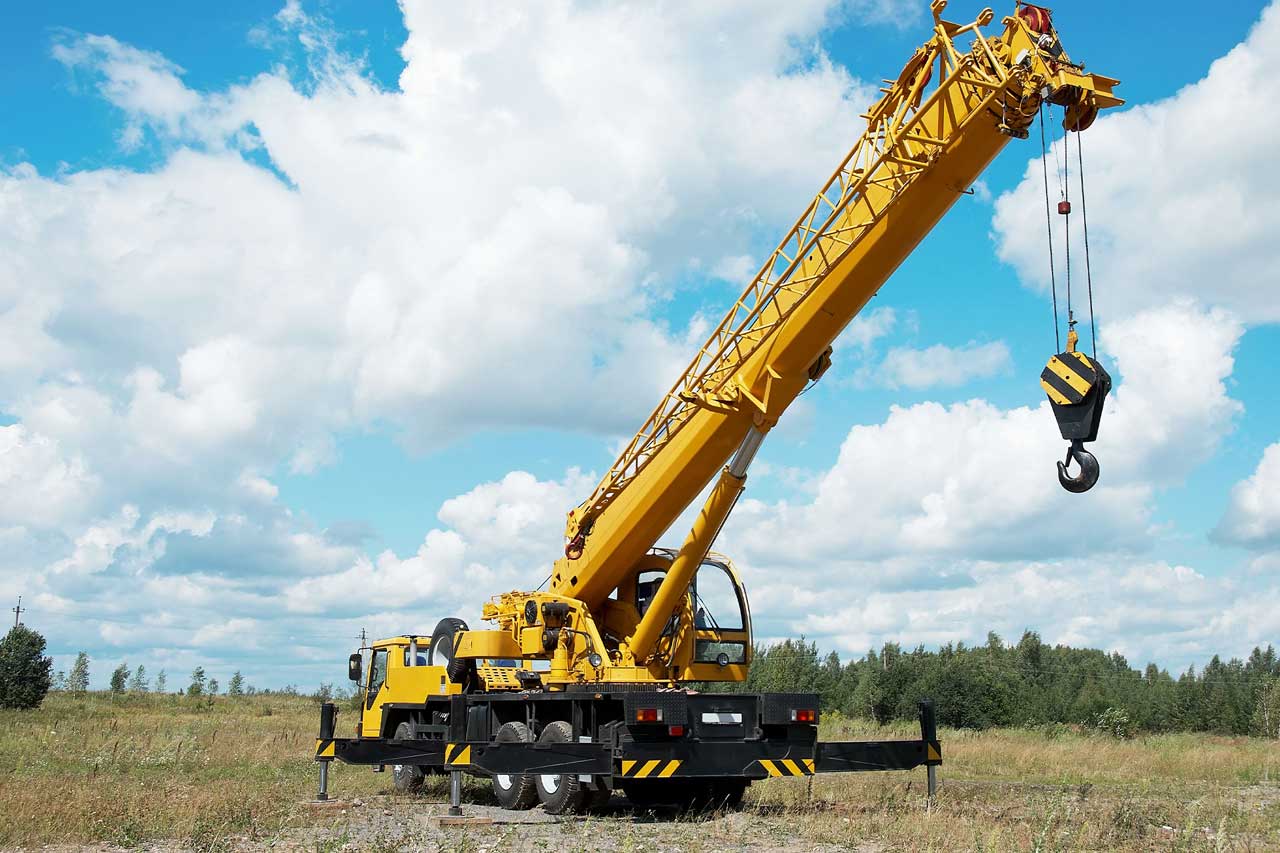

Ever wondered how builders manage to lift heavy materials in tight suburban backyards? Or perhaps you’ve asked yourself whether there’s a more cost-effective way to handle those tricky lifting jobs during your home renovation? If you’re planning a residential construction project in Australia, you’ve likely grappled with the challenge of moving heavy materials without tearing up your entire property.
The truth is, residential construction has changed dramatically over the past decade. Gone are the days when every lifting job required massive equipment that blocked entire streets and left deep ruts in your lawn. Today, mini cranes and small crane trucks are revolutionising how Aussie homeowners approach building projects. These compact powerhouses deliver impressive lifting capabilities while fitting into spaces that would make larger equipment operators shake their heads.
In this article, we’ll explore everything you need to know about hiring a small crane for your residential build. From understanding what these machines can actually lift to breaking down the real costs involved, you’ll walk away with the knowledge to make a smart decision for your project. We’ll also cover safety considerations, help you figure out whether a mini crane suits your specific needs, and share tips for getting the best value from your hire. Let’s get stuck into it.
What Is a Small Crane and How Does It Work?
Understanding Mini Cranes and Their Capabilities
Mini cranes are compact lifting machines designed specifically for jobs where space is limited. Unlike their larger cousins, these nimble machines can navigate through standard doorways, fit into narrow side passages, and operate in confined backyards. They typically feature rubber tracks or wheels that minimise ground damage, making them perfect for residential settings.
What makes mini cranes particularly clever is their spider-leg outrigger system. These extendable legs provide stability during lifts without requiring a massive footprint. Most models can be controlled remotely, allowing operators to position themselves for the best view of the load and landing zone.
What Is the Smallest Crane Available for Hire?
The smallest crane options on the Australian market can weigh as little as one tonne and fit through openings as narrow as 600mm. These micro machines might look unassuming, but they can still lift loads ranging from 1 to 6 tonnes, depending on the model and the required reach. For residential work, these compact units handle the most common lifting tasks with ease.
Crane on Truck vs. Standalone Mini Cranes: Key Differences
A crane on a truck combines transport and lifting capabilities in one package. The crane is mounted directly onto a truck chassis, meaning your materials can be delivered and lifted in a single operation. Standalone mini cranes, by contrast, are separate machines that need to be transported to the site independently.
The small crane truck option often proves more practical for straightforward deliveries and installations. However, standalone mini cranes offer greater manoeuvrability in extremely tight spaces where a truck simply cannot access.
Why Should You Hire a Small Crane for Your Home Build?
Cost Savings Compared to Larger Equipment
Let’s talk money. Hiring a truck with a small crane typically costs significantly less than bringing in heavy-duty equipment. You’re not just saving on hire rates either—smaller cranes require less site preparation, fewer personnel, and shorter setup times. All these factors add up to real savings on your project budget.
Plus, because mini cranes work more efficiently in residential settings, jobs often wrap up faster. Less time on site means lower labour costs across the board.
Accessibility in Tight Residential Spaces
Australian suburban blocks aren’t getting any bigger, are they? Many homes sit on narrow lots with limited access from the street. A small crane truck can navigate driveways, fit beside existing structures, and operate in spaces where larger equipment would be completely impractical.
This accessibility means you won’t need to remove fencing, sacrifice established gardens, or negotiate with neighbours about using their property for access.
Faster Project Completion Times
Time is money in construction. Mini cranes can be set up and operational within minutes rather than hours. Their precision controls allow for accurate placement of materials on the first attempt, reducing repositioning time and keeping your project moving forward.
When materials arrive exactly where they’re needed without manual handling delays, your entire build schedule benefits.
Top Benefits of Using a Truck with a Small Crane for Home Projects
All-in-One Transport and Lifting Solution
Here’s where a crane on a truck really shines. Instead of coordinating separate delivery and lifting arrangements, everything arrives together. The driver delivers your materials and immediately positions them exactly where needed. No waiting around for a second crew or machine.
This streamlined approach reduces scheduling headaches and keeps your project running smoothly.
Reduced Site Preparation Requirements
Large cranes often demand extensive site preparation—compacted ground, reinforced access paths, and substantial clear zones. A small crane truck, by contrast, can often operate directly from your driveway or street with minimal setup.
The outrigger system distributes weight effectively, meaning you won’t need to lay temporary roadways or reinforce soft ground in most situations.
Lower Environmental Impact on Your Property
Nobody wants their garden destroyed during a building project. Mini cranes leave a remarkably light footprint compared to heavy equipment. Rubber tracks and carefully positioned outrigger pads protect lawns, driveways, and paved areas from damage.
Making the Smart Choice for Your Residential Build
Choosing the right lifting equipment can make or break your residential construction experience. Mini cranes and small crane trucks offer an unbeatable combination of capability, accessibility, and value for typical Australian home projects. They fit where larger equipment cannot, protect your property from unnecessary damage, and help keep your project on schedule and budget.
The key takeaway? Don’t assume your residential project is too small for professional crane hire, or that you need to struggle with manual handling alternatives. Modern mini cranes are designed precisely for the challenges of suburban construction. They’re cost-effective, efficient, and far safer than improvised lifting methods.
Ready to move forward with your project? Reach out to local crane hire companies for quotes specific to your needs. A quick conversation about your lifting requirements will help you understand exactly what equipment suits your situation. Your future self—and your back—will thank you for making the smart choice.