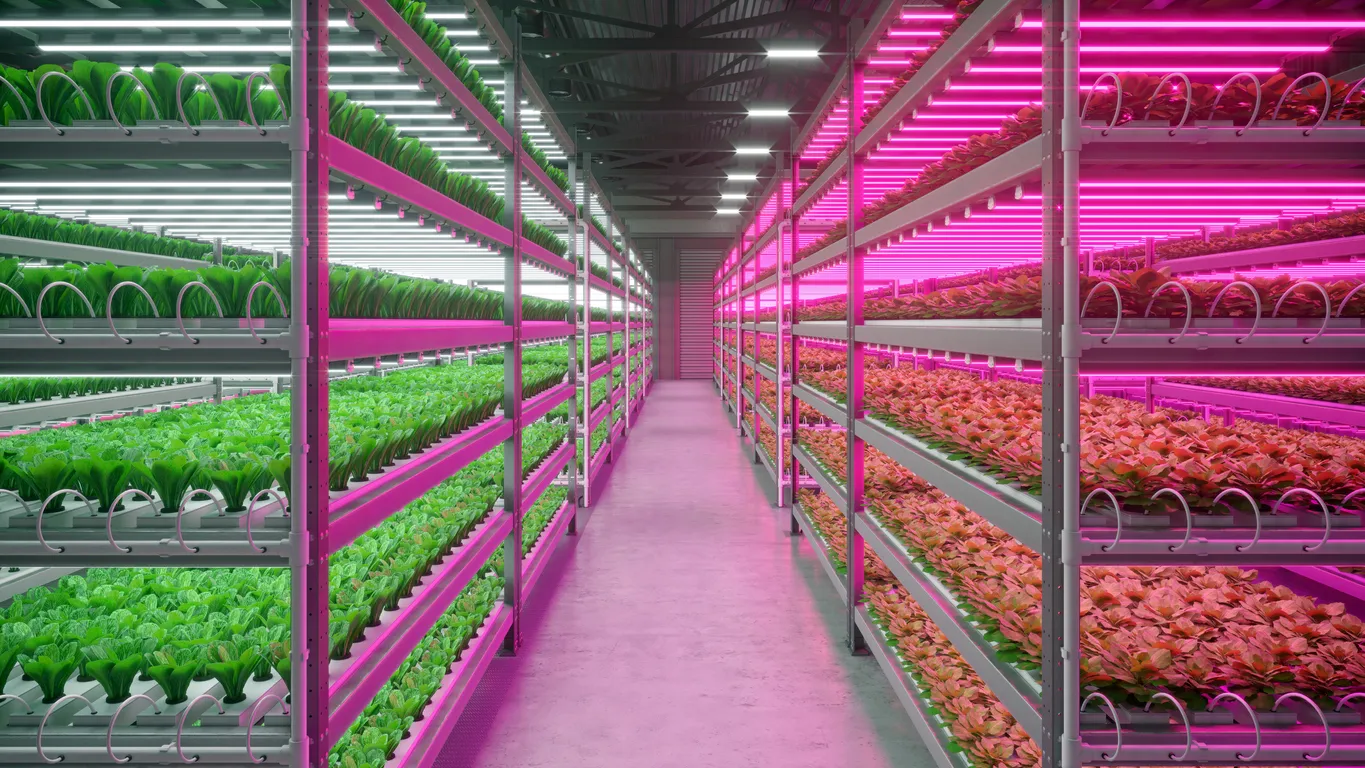
In the pursuit of sustainable, precise, and high-yield plant production, lighting technology has taken center stage. As conventional lighting technologies such as HPS and fluorescent systems become less compatible with modern goals of energy efficiency and precision agriculture, LED grow lights have emerged as a superior alternative.
More than just an energy-saving solution, LEDs represent a shift in how plant growth is managed, enabling targeted photobiological responses, environmental control, and reproducible research outcomes. Let’s outline how high-quality horticulture lights not only meet sustainability benchmarks but also enable better experimental control, higher-quality yields, and enhanced insight into plant development.
Measurable Energy Efficiency = Lower Production Costs
Traditional lighting can consume up to 40–60% more energy than modern LED systems. Studies found that LED grow lights, when matched correctly to plant needs, can cut energy use by up to 50% while maintaining or improving yields.
For commercial growers, this is not just an environmental win—it’s a significant reduction in monthly utility bills. Moreover, because LEDs emit less heat, growers can save up to 30% more on cooling costs, especially in indoor vertical farms. These savings directly support long-term profitability, which is a core component of sustainability.
Targeted Spectrum Improves Yield Quality and Consistency
Unlike legacy lighting systems that emit broad-spectrum light (most of which plants can’t use efficiently), LED luminaires can be tuned to emit specific wavelengths. This gives growers precise control over plant responses:
- Blue light encourages compact, leafy growth
- Red light boosts flowering and fruiting
- Far-red and UV can trigger stress responses or enhance plant defenses
Research shows that spectrum-tuned LED grow lights can increase crop yield by 20–30%, depending on the crop. For example, leafy greens grown under tailored light spectrums develop better texture and nutritional value. Manufacturers like Valoya offer light spectra tailored for specific species and phenological stages, backed by rigorous peer-reviewed research.
Also Read: Enhancing Plant Growth with High CRI LED Grow Lights
Heat Reduction Leads to Fewer Crop Failures
Traditional lights often emit too much heat, forcing growers to increase the distance between the light source and the canopy. This leads to uneven light distribution and heat stress. LEDs, however, remain cool even after prolonged operation.
By keeping LEDs closer to the crop, growers ensure uniform light coverage, which improves plant development. More importantly, the reduced heat means lower risks of leaf scorch, flower drop, or slowed growth, all of which can compromise quality and yields.
Longer Lifespan = Lower Replacement Costs and Waste
High-quality horticulture lights have a lifespan of 50,000 hours or more—that’s roughly 5 to 7 years of daily use. In contrast, HPS lamps often need replacement after 12,000–15,000 hours.
This extended lifespan minimizes both labor costs and waste generation, supporting operational sustainability. For large-scale greenhouses, the difference in maintenance frequency alone can lead to double-digit cost reductions over time.
Also Read: How to Harvest Better Yields with LED Lighting Solutions?
Sustainability Reporting and Market Access
For commercial growers who supply to retailers or export to international markets, sustainability isn’t just internal—it affects brand value and regulatory compliance. Switching to LED grow lights helps growers meet:
- Carbon reduction goals
- ESG (Environmental, Social, Governance) benchmarks
- Organic or eco-label certifications
This makes the farm more appealing to sustainability-focused buyers and investors, creating new business opportunities.
The future of agriculture lies in precision, efficiency, and sustainability. For growers serious about long-term results, both in yield and sustainability, investing in the right horticultural lighting solutions is no longer a question of “if,” but “when.”