
Summary:
Temporomandibular Joint Disorder (TMD) is a condition that affects the jaw joint and surrounding muscles, causing discomfort and interfering with daily life.
Individuals suffering from TMD often experience jaw pain, persistent headaches, earaches, and difficulty chewing, which can significantly impact their overall well-being.
According to the National Institute of Dental and Craniofacial Research, approximately 5% to 12% of adults experience TMD, with women being more affected than men.
If you’re dealing with TMJ issues, dental care in Lubbock, Texas, offers specialized solutions to relieve pain and restore jaw function.
In this article, we’ll explore:
- Causes of TMJ Disorder – Common triggers and risk factors
- Recognizing Symptoms – Key signs to watch for
- Effective Treatment Options – From lifestyle changes to professional care
- How Lubbock Dentists Can Help – Specialized approaches for TMJ relief
Understanding TMJ disorder and seeking professional help can significantly improve one’s quality of life. Let’s explore what you need to know.
Understanding TMJ Disorder
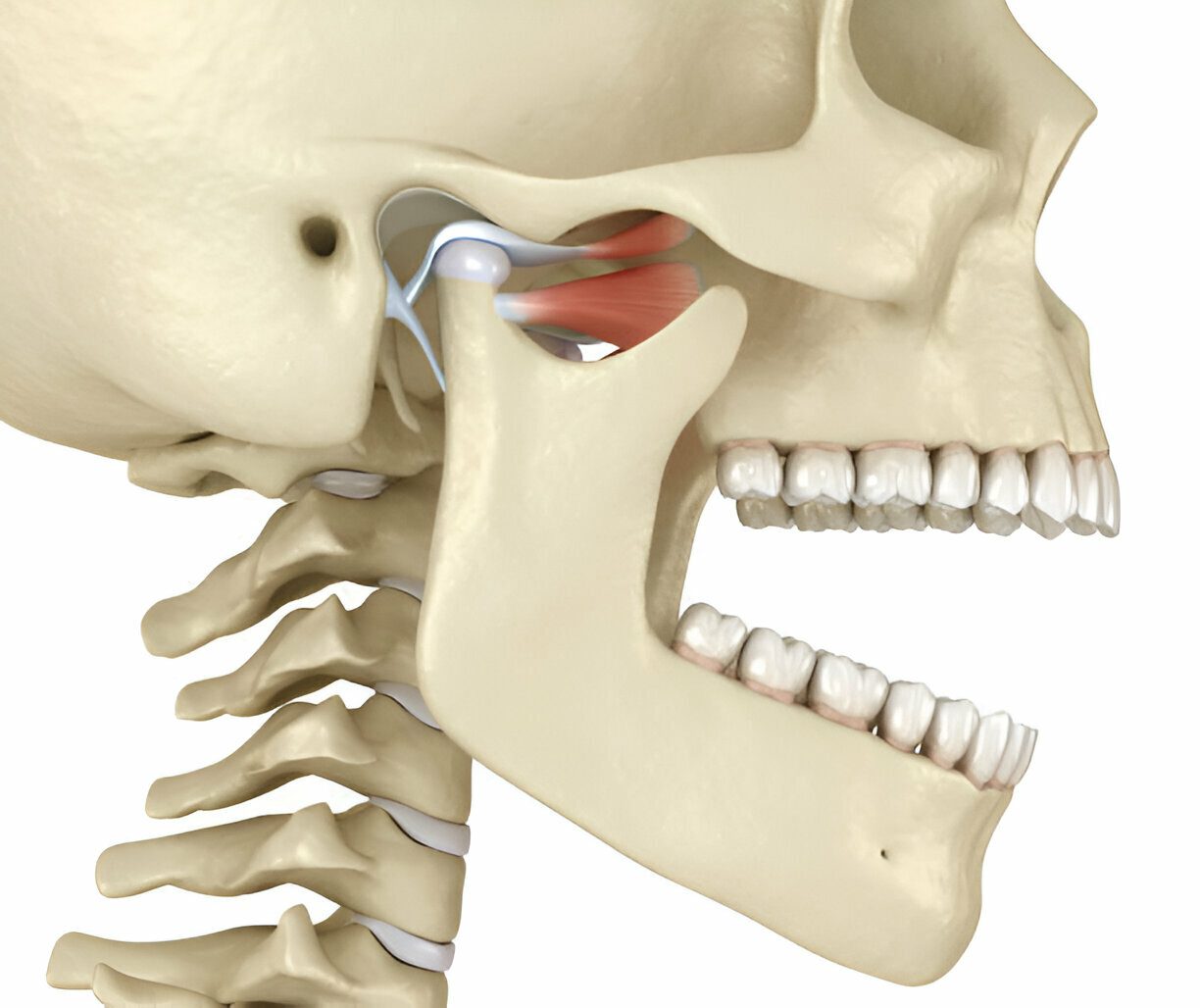
The temporomandibular joint (TMJ) is the hinge connecting your jaw to your skull. It allows smooth movements for chewing, speaking, and yawning. This joint works in coordination with muscles and ligaments to provide flexibility and function.
Common Causes of TMJ Disorder
- Teeth Grinding (Bruxism) – Excessive grinding or clenching puts stress on the joint, leading to pain and inflammation.
- Jaw Misalignment—If the jaw is not properly aligned, uneven pressure on the TMJ can result, resulting in discomfort.
- Stress and Muscle Tension—High-stress levels can lead to involuntary jaw clenching and tightening of the muscles around the TMJ.
- Arthritis or Injury – Conditions like osteoarthritis or direct trauma can wear down the joint, leading to stiffness and pain.
Importance of Early Diagnosis
Ignoring TMJ symptoms can result in worsening pain, difficulty chewing, and even chronic headaches. Seeking early diagnosis from a dentist or specialist helps prevent long-term damage and ensures effective treatment, such as therapy, night guards, or stress management techniques. Addressing TMJ issues promptly can significantly improve jaw function and overall quality of life.
Common Symptoms of TMJ Disorder
Temporomandibular Joint (TMJ) disorder can cause a range of uncomfortable symptoms that affect daily life. Recognizing these signs early is key to finding relief and seeking TMJ treatment in Lubbock.
Jaw Pain and Tenderness
One of the most common symptoms is persistent pain or tenderness in the jaw, especially when talking, chewing, or yawning. This discomfort may also extend to the temples and cheeks.
Clicking or Popping Sounds
Many individuals experience a clicking or popping noise when opening or closing their mouths. While not always painful, this noise can indicate joint dysfunction.
Difficulty Chewing or jaw-locking
Some people struggle with chewing due to stiffness or misalignment in the jaw. In severe cases, the jaw may temporarily lock, making it hard to open or close the mouth.
Headaches, Ear Pain, and Facial Discomfort
TMJ issues often contribute to tension headaches, earaches, or even a feeling of fullness in the ears. Facial soreness is also common.
Neck and Shoulder Pain
Because the TMJ connects to surrounding muscles, pain can radiate to the neck and shoulders, leading to stiffness or tension.
Effective TMJ Treatment Options in Lubbock, TX
Temporomandibular Joint (TMJ) disorder can cause persistent jaw pain, headaches, and difficulty chewing. Fortunately, several treatment options are available in Lubbock, TX, from simple lifestyle changes to advanced medical procedures.
1. Non-Invasive Treatment Approaches
- Lifestyle Modifications – Managing stress through relaxation techniques can help reduce jaw clenching. Avoiding hard foods and excessive gum chewing minimizes strain on the TMJ.
- At-Home Remedies – Applying ice packs can reduce swelling, while gentle jaw exercises improve mobility. Practicing relaxation techniques can also prevent unconscious jaw tightening.
- Medications – Over-the-counter pain relievers, anti-inflammatory drugs, and muscle relaxants can ease discomfort and inflammation.
2. Dental Treatments for TMJ Relief
- Mouthguards/Nightguards – Custom-fitted oral appliances prevent teeth grinding (bruxism) and alleviate jaw tension during sleep.
- Bite Correction & Orthodontics – Misaligned teeth or bite issues can worsen TMJ symptoms. Orthodontic treatments like braces or clear aligners help reposition the jaw for long-term relief.
3. Advanced Treatment Options
- Physical Therapy & Jaw Exercises – Targeted therapy strengthens jaw muscles, enhances mobility, and reduces pain.
- Botox Injections – For severe cases, Botox can help relax overactive jaw muscles, reducing tension and discomfort.
- Surgical Interventions (as a last resort)—When conservative treatments fail, procedures like arthroscopy or joint replacement may be necessary in extreme cases.
If you’re struggling with TMJ pain in Lubbock, TX, consulting a dentist or specialist can help determine the best treatment plan for lasting relief.
Why Choose Lubbock Dental Care for TMJ Treatment?
If you’re struggling with TMJ (temporomandibular joint) disorder, finding the proper care is essential for lasting relief. Lubbock Dental Care offers specialized treatment, combining advanced technology, personalized care, and a comprehensive approach to help you regain comfort and function.
Expertise in TMJ Diagnosis & Treatment
Lubbock’s experienced dentists have extensive knowledge in diagnosing and treating TMJ disorders. They understand the complexities of jaw joint issues and provide expert guidance for effective treatment.
Advanced Diagnostic Technology
Accurate diagnosis is key to successful TMJ treatment. Lubbock Dental Care utilizes state-of-the-art imaging, digital bite analysis, and other modern tools to pinpoint the root cause of your discomfort and tailor the best possible solution.
Personalized Treatment Plans
No two TMJ cases are the same. That’s why treatment is customized to fit your unique needs, whether it involves a nightguard, bite correction, physical therapy, or other targeted interventions.
Comprehensive, Holistic Approach
Effective TMJ treatment goes beyond just dental care. Lubbock Dental Care integrates physical therapy, lifestyle adjustments, and stress management techniques to ensure long-term relief and improved jaw function.
Long-Term TMJ Management Strategies
Managing TMJ disorder is not just about immediate relief—it’s also about preventing future flare-ups and maintaining long-term jaw health. Here are some additional strategies that can help:
1. Stress Management Techniques
Since stress is a major contributor to TMJ issues, incorporating relaxation techniques like meditation, yoga, or deep breathing exercises can help reduce jaw tension. Identifying and addressing sources of stress in daily life can also make a big difference.
2. Dietary Adjustments
A diet of soft foods, especially during flare-ups, can prevent excessive strain on the TMJ. Avoiding hard, chewy, or sticky foods can minimize discomfort and stop aggravating the condition.
3. Regular Dental Checkups
Routine visits to a TMJ specialist or dentist can help track progress, adjust treatment plans as needed, and prevent worsening symptoms. Early intervention ensures minor jaw issues don’t escalate into more severe conditions.
Takeaway
- Identifying TMJ symptoms early can prevent long-term pain and complications.
- Various solutions exist for TMJ relief, from lifestyle changes to advanced dental care.
- Lubbock Dental Care offers personalized, expert treatment to restore jaw function and comfort.