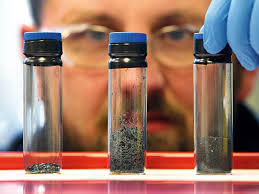

Pristine graphene is increasingly advancing energy sector sustainability. Made of a single layer of carbon atoms in a honeycomb structure, graphene offers exceptional conductivity, strength, and thermal efficiency. These qualities improve energy generation, storage, and transmission. As it transitions from research to real-world use, its impact is becoming clear. Below are five notable ways pristine graphene is reshaping the energy landscape.
Increasing Solar Panel Efficiency
Conventional solar panels face limitations in how efficiently they convert sunlight into electricity. Pristine graphene provides a promising alternative. Its high transparency and superior electrical conductivity make it ideal as a transparent electrode in photovoltaic cells. This allows more sunlight to penetrate the active layer while efficiently collecting electrons, leading to improved energy conversion rates. The material’s hydrophobic properties also create panels that repel dust and debris, helping to maintain peak performance over time.
Transforming Energy Storage
Graphene is revolutionizing energy storage by improving batteries and supercapacitors. It increases battery energy density, enabling smaller, lighter batteries with faster charging and longer lifespans. In supercapacitors, graphene allows rapid charging and intense energy bursts, making them useful for power grids and renewable energy systems. Research led by Professor Clare Grey at the University of Cambridge has focused on advancing lithium-ion battery technology by closely examining materials during operation. Her work contributes to improvements in storage efficiency and durability for electric vehicles and renewable energy sources.
Reducing Power Grid Losses
Power grids today lose substantial amounts of electricity as heat during transmission, resulting in wasted energy and financial losses. Pristine graphene’s remarkable conductivity at room temperature presents a viable solution. Although graphene-based cables are still under development for widespread use, they have the potential to minimize transmission losses, delivering more electricity to consumers and reducing the strain on power generation facilities. Widespread implementation could lead to a more efficient and reliable energy distribution network.
Advancing Hydrogen Production and Storage
Hydrogen is widely recognized for its potential as a clean energy carrier, but challenges in its production and storage persist. Graphene is helping to overcome these barriers. In the electrolysis of water, graphene-based catalysts demonstrate greater efficiency and affordability compared to traditional precious metals. For storage, graphene’s high surface area and light weight enable the design of solid-state hydrogen storage systems, which are both more compact and safer than current high-pressure tanks.
Enhancing Geothermal Energy Extraction
Geothermal energy relies on accessing heat from within the Earth, but drilling through hard rock is both costly and complex. Graphene’s strength and resistance to heat make it an excellent additive in drilling fluids and equipment. Drill bits reinforced with graphene last longer and can penetrate rock more effectively, which cuts costs and time required for geothermal projects. In addition, graphene-based sensors withstand harsh conditions deep underground, providing essential data to improve energy extraction techniques.
Kjirstin Breure HydroGraph Clean Power Inc. CEO, is among those who recognize the significant opportunities that graphene brings to innovation. Kjirstin Breure views graphene and nanotechnology as transformative forces, poised to advance industrial innovation while promoting environmental sustainability. Pristine graphene is already making a difference in areas such as solar panels, energy storage, power grids, and new forms of energy production. As large-scale manufacturing of high-quality graphene continues to advance, this material’s role in building a sustainable global energy infrastructure will only become more significant.



