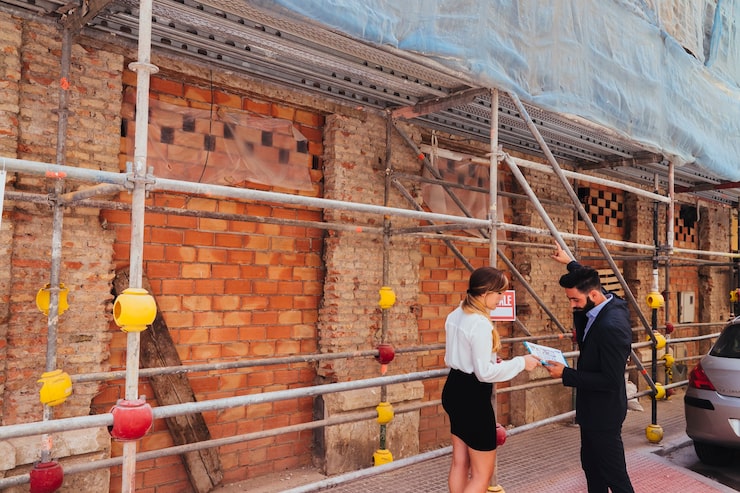

Purchasing scaffolding is a critical decision for builders, contractors, and property owners undertaking construction, renovation, or maintenance projects. Choosing the wrong type can lead to safety hazards, inefficiencies, and increased costs. Understanding the essential factors that influence scaffolding selection ensures a safer, more effective project outcome. For those exploring scaffolding options for sale in Melbourne, it’s vital to consider quality, compliance, and suitability for specific applications.
Scaffolding is more than just metal frames; it is a structural support system that enables work at heights safely. Selecting the right product requires careful assessment of project requirements, site conditions, and long-term usage considerations.
Understanding the Different Types of Scaffolding
Before purchasing scaffolding, it’s important to understand the available types and their applications. Common options include:
- Frame Scaffolding: Ideal for residential and light commercial projects, this system is easy to assemble and suitable for moderate heights.
- System Scaffolding: Often used in larger projects, it allows for modular construction and greater load capacity.
- Suspended Scaffolding: Perfect for external facades, painting, or maintenance work where a fixed base isn’t practical.
- Mobile Scaffolding: Provides flexibility with castors for frequent relocation across a site.
Each type has its advantages and limitations. When considering scaffolding options for sale in Melbourne, understanding these differences ensures you select a system aligned with your project’s scale, complexity, and safety requirements.
Prioritising Safety and Compliance
Safety is non-negotiable when it comes to scaffolding. Australian standards set out strict regulations for design, installation, and use. Ensuring that your scaffolding meets these standards is essential to prevent accidents and ensure worker safety.
Key safety considerations include:
- Load capacity: Each scaffolding system has a maximum weight limit. Understanding the expected load — including workers, tools, and materials — ensures stability.
- Guardrails and toe boards: Protect workers from falls and prevent objects from dropping.
- Stability measures: Base plates, outriggers, and proper bracing are critical for maintaining structural integrity.
- Inspection and maintenance: Regular checks ensure that wear, corrosion, or damage does not compromise safety.
Reputable suppliers of scaffolding options for sale in Melbourne provide products that meet or exceed these safety requirements and can offer guidance on proper setup and compliance.
Material Considerations: Aluminium vs. Steel
Scaffolding is typically made from either aluminium or steel, each with unique characteristics.
- Aluminium: Lightweight and resistant to corrosion, aluminium scaffolding is ideal for projects requiring frequent assembly or relocation. It’s easier to transport and manoeuvre but can have lower load capacity compared to steel.
- Steel: Heavier and more robust, steel scaffolding is suitable for heavy-duty projects and larger commercial sites. It offers superior durability and strength but may require more effort to handle and install.
The choice between materials depends on project demands, site logistics, and long-term usage plans. An experienced supplier of scaffolding options for sale in Melbourne can advise on which material best suits your operational needs.
Assessing Project-Specific Requirements
Not all scaffolding is suitable for every project. Several factors influence which system is most appropriate:
- Height requirements: Multi-storey constructions need scaffolding capable of reaching significant elevations safely.
- Surface and terrain: Uneven ground requires adjustable bases or additional stabilisation to ensure safety.
- Accessibility and mobility: Projects with frequent repositioning demand mobile scaffolding with lockable castors.
- Environmental exposure: Outdoor projects require corrosion-resistant materials and protection against wind and rain.
Understanding these project-specific requirements ensures that your scaffolding purchase is both functional and cost-effective, reducing the risk of on-site delays or accidents.
Cost vs. Value Considerations
While budget is important, purchasing scaffolding is an investment in safety, efficiency, and project quality. Cheaper alternatives may seem attractive, but they can compromise durability, compliance, or ease of use.
Factors to weigh include:
- Longevity and durability: High-quality scaffolding may have a higher upfront cost but lasts longer, reducing replacement expenses.
- Ease of assembly: Time saved in setup translates to lower labour costs.
- Maintenance and repair costs: Durable scaffolding requires less frequent servicing and replacement of parts.
- Resale potential: Quality systems often retain value and can be sold or reused for future projects.
Balancing cost with long-term benefits ensures that your investment in scaffolding options for sale in Melbourne provides maximum utility and safety.
Supplier Reputation and Support
Choosing a reputable supplier is as important as the scaffolding itself. Experienced suppliers not only provide compliant and high-quality products but also offer expert guidance, installation support, and after-sales service.
When evaluating suppliers, consider:
- Customer reviews and testimonials
- Experience with similar project types
- Availability of technical support and training
- Warranty and service agreements
A knowledgeable supplier enhances safety, ensures correct usage, and supports efficient project execution, making the selection process far more reliable.
Maintenance and Storage Considerations
Proper maintenance and storage prolong the life of scaffolding. Aluminium and steel structures require regular inspections for signs of wear, corrosion, or mechanical damage. Key practices include:
- Cleaning components to remove dirt and debris
- Checking connections, locks, and joints for stability
- Storing scaffolding in dry, sheltered areas when not in use
- Replacing damaged or worn components promptly
An organised approach to maintenance reduces safety risks and ensures the scaffolding remains compliant with regulations over multiple projects.
Planning for Future Projects
Purchasing scaffolding is not only about the immediate project; it’s an investment for future use. When evaluating scaffolding options for sale in Melbourne, consider:
- Modular systems that can adapt to various project sizes
- Expandable configurations for larger or multi-level constructions
- Compatibility with additional safety accessories or platforms
- Scalability to support increased workforce or heavier loads
Forward-thinking planning ensures that your scaffolding system remains versatile, safe, and cost-effective over time, eliminating the need for frequent replacements or upgrades.
Maximising Efficiency Through Training
Even the best scaffolding system is only as effective as the team using it. Proper training on assembly, usage, and safety protocols is essential. A supplier who provides instruction or certification programs adds significant value.
Well-trained workers reduce the risk of accidents, speed up setup, and ensure compliance with occupational health and safety regulations. By pairing quality scaffolding with knowledgeable operators, projects are completed safely and efficiently.
Making an Informed Choice
Selecting scaffolding is a complex decision that requires evaluating multiple factors: type, material, height requirements, safety features, supplier support, and future scalability. By understanding project needs, assessing quality and compliance, and investing in durable systems, builders and contractors can ensure safe, efficient, and reliable operations.
For those exploring scaffolding options for sale in Melbourne, partnering with experienced suppliers ensures that every aspect—from purchase to installation and maintenance—is handled professionally. This approach not only safeguards workers but also enhances project productivity, reduces downtime, and supports long-term investment value.
By taking a strategic and informed approach, construction teams in Melbourne can confidently choose scaffolding that meets safety standards, adapts to diverse projects, and provides reliable support for years to come.