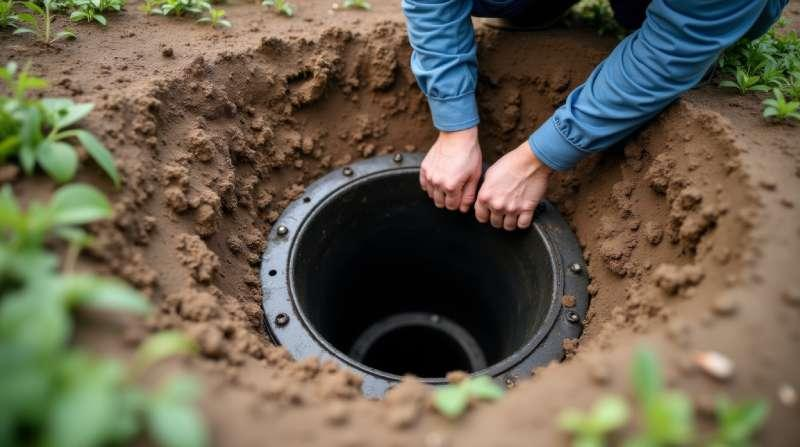

Homeowners who rely on well water often don’t think about their well pump until something goes wrong. Unfortunately, by the time a pump fails completely, the resulting repair bill is often far higher than it needed to be. This is exactly why regular well pump inspection matters so much. Catching small issues early can mean the difference between a minor adjustment and a major, expensive replacement.
Why Well Pumps Fail Without Warning
Well pumps work hard, often running for years without much attention. They’re buried underground or tucked away in a utility space, which makes it easy to forget they exist until water pressure drops or stops altogether. Unfortunately, this out-of-sight nature is exactly why so many pump failures catch homeowners off guard.
Most well pump problems don’t happen instantly. They build gradually, often showing subtle warning signs long before a complete breakdown occurs. Without regular well pump inspection, these early warning signs frequently go unnoticed until the situation becomes a full-blown emergency.
Common contributors to pump failure include:
- Normal wear and tear on mechanical components over years of continuous operation
- Sediment buildup that gradually reduces pump efficiency
- Electrical issues, including worn wiring or failing pressure switches
- Water table changes that affect how hard a pump needs to work
- Corrosion, particularly in older systems or areas with challenging water chemistry
Left unaddressed, these issues often escalate quietly until the pump fails entirely, usually at the most inconvenient time possible.
The Real Cost of Skipping Inspections
Many homeowners view well pump inspection as an unnecessary expense, especially when everything seems to be working fine. This mindset, while understandable, often leads to significantly higher costs down the road.
Consider the difference between proactive maintenance and reactive repair. A routine inspection might catch a minor issue, like a failing pressure switch or early signs of motor strain, that can be fixed for a relatively modest cost. Left unchecked, that same issue can lead to complete pump failure, requiring an emergency replacement that costs significantly more, both in equipment and labor.
Skipping regular well pump inspection can lead to:
- Emergency repair costs that are often two to three times higher than routine maintenance expenses
- Extended water outages while waiting for emergency service and replacement parts
- Damage to other system components, since a failing pump can put extra strain on pressure tanks and plumbing fixtures
- Reduced pump lifespan, since minor issues left unresolved often accelerate overall wear
The relatively small investment in regular inspection almost always pays for itself by preventing these larger, more disruptive expenses.
What Happens During a Professional Inspection
Understanding what a well pump inspection actually involves helps homeowners appreciate its value. A thorough inspection goes well beyond a quick visual check. It’s a detailed evaluation designed to catch problems before they become serious.
A typical professional well pump inspection includes:
- Water pressure testing to identify inconsistencies that may indicate developing pump issues
- Electrical component checks, including wiring, pressure switches, and control boxes
- Motor performance evaluation to assess how hard the pump is working relative to normal operation
- Pressure tank inspection, since tank issues can directly affect pump performance and longevity
- Water quality assessment, checking for sediment or mineral buildup that could affect system efficiency
- Overall system inspection, including pipes, fittings, and connections for signs of wear or leaks
This comprehensive approach allows technicians to catch subtle warning signs that homeowners would likely miss on their own, addressing small problems before they escalate into major, costly failures.
Warning Signs That Shouldn’t Be Ignored
While regular inspection is the best way to catch issues early, homeowners should also stay alert to warning signs between scheduled checkups. Recognizing these signals early can prompt a timely inspection before a minor issue becomes a major repair.
Watch for these common indicators of pump trouble:
- Fluctuating water pressure that seems inconsistent throughout the day
- Unusual noises coming from the pump or pressure tank, such as grinding or clicking sounds
- Cloudy or discolored water, which can indicate sediment issues affecting the pump
- Frequent cycling, where the pump turns on and off more often than normal
- Higher than usual electric bills, since a struggling pump often uses more energy to maintain performance
If any of these signs appear, scheduling a well pump inspection promptly can help identify the underlying cause before it leads to complete system failure.
How Often Should Well Pump Inspection Happen
Homeowners often ask how frequently they should schedule inspections. While specific needs can vary based on pump age, usage, and local water conditions, most experts recommend a professional well pump inspection at least once a year.
Certain circumstances may call for more frequent inspections:
- Homes with older pump systems that are more prone to wear
- Properties in areas with known water quality issues or high sediment content
- Homes that rely heavily on well water for daily household needs
- Situations following unusual weather events, such as flooding or extended drought
Sticking to a consistent inspection schedule helps ensure small issues are caught early, regardless of a system’s specific circumstances.
The Long-Term Value of Preventive Maintenance
Beyond avoiding costly emergency repairs, regular well pump inspection offers broader long-term benefits that many homeowners don’t initially consider.
Consistent maintenance helps:
- Extend the overall lifespan of the pump system, delaying the need for a full replacement
- Maintain consistent water pressure, improving daily convenience and comfort
- Reduce energy costs, since a well-maintained pump operates more efficiently
- Protect other plumbing components, preventing strain-related damage to connected systems
- Provide peace of mind, knowing potential issues are being caught early rather than discovered during an inconvenient failure
These long-term benefits make regular inspection a smart investment rather than an unnecessary expense, particularly for homeowners who rely entirely on well water for their household needs.
Choosing a Qualified Well Pump Inspection Provider
Not every service provider offers the same level of expertise when it comes to well pump systems. Choosing a qualified, experienced technician makes a significant difference in the quality and reliability of an inspection.
When selecting a provider, homeowners should consider:
- Relevant experience specifically with well pump systems rather than general plumbing services
- Clear communication about findings and recommended next steps
- Transparent pricing without pressure toward unnecessary upsells
- Strong local reputation, since local providers often understand regional water conditions and common issues
- Availability for follow-up service, in case an inspection identifies a problem requiring prompt attention
Taking the time to choose a qualified provider ensures inspections are thorough and genuinely helpful, rather than a rushed, surface-level check.
Preparing for a Well Pump Inspection
Homeowners can take a few simple steps to help ensure their inspection goes smoothly and yields the most useful information.
- Keep a record of any recent changes in water pressure or quality
- Note any unusual noises or performance issues observed since the last inspection
- Ensure clear access to the well pump and pressure tank area
- Have information available about the pump’s age and any previous repair history
Providing this information upfront helps technicians conduct a more efficient, targeted inspection focused on any specific concerns.
Final Thoughts
Well pumps work quietly in the background until something goes wrong, and by then, repairs are often far more expensive than they needed to be. Regular well pump inspection offers a straightforward, cost-effective way to catch small issues early, extend the life of your system, and avoid the disruption and expense of emergency repairs. For homeowners who depend on well water, this simple preventive step is one of the smartest investments they can make in their home’s long-term reliability.
Tri-County Pump Service, Inc. provides thorough, professional well pump inspection services designed to catch potential issues early and help homeowners avoid costly, unexpected repairs.