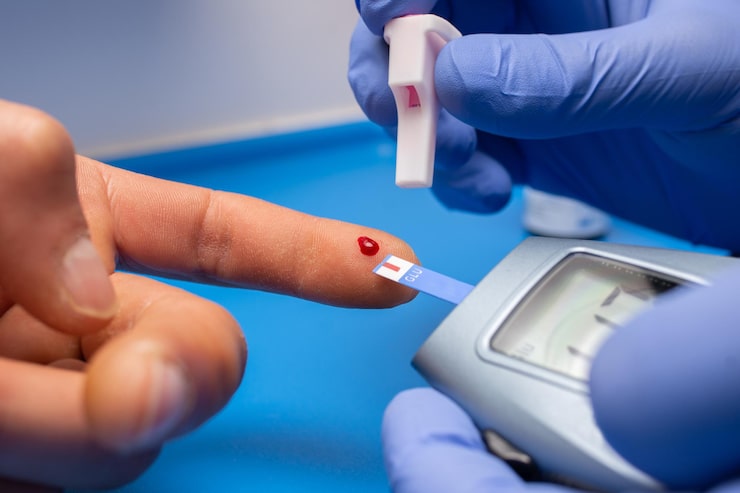

In an era where lifestyle-related conditions like prediabetes and type 2 diabetes affect hundreds of millions worldwide, natural blood sugar support has become a topic of growing interest for individuals seeking proactive ways to maintain balanced glucose levels. As of late 2025, with more people prioritizing holistic wellness alongside conventional medical advice, the demand for evidence-informed, plant-based, and lifestyle-oriented approaches to blood sugar regulation continues to rise. Natural blood sugar support refers to a combination of dietary choices, physical activity, herbal compounds, and targeted nutritional strategies designed to promote stable blood glucose, improve insulin sensitivity, and reduce the risk of long-term metabolic complications. While no single solution replaces medical treatment for diagnosed conditions, many people find that integrating natural methods can meaningfully complement standard care and enhance overall metabolic health.
This article explores the key pillars of natural blood sugar support, drawing on current scientific understanding and widely accepted wellness principles. Whether you’re managing prediabetes, aiming to prevent future issues, or simply supporting long-term energy and vitality, the following sections offer a clear, practical, and balanced perspective.
Understanding Blood Sugar Regulation and Why It Matters
Blood sugar (glucose) is the primary source of energy for the body’s cells. After consuming carbohydrates, glucose enters the bloodstream, prompting the pancreas to release insulin, which helps shuttle glucose into cells for immediate use or storage. When this system functions smoothly, blood sugar levels remain relatively stable throughout the day. However, repeated spikes and crashes—often caused by frequent consumption of refined carbohydrates, chronic stress, sedentary behavior, poor sleep, or excess body fat—can gradually impair insulin sensitivity, leading to higher fasting glucose, increased inflammation, and a higher risk of metabolic syndrome.
Maintaining healthy blood sugar isn’t just about avoiding diabetes; it also influences energy levels, mood stability, cognitive function, inflammation, and even cardiovascular health. Natural blood sugar support strategies aim to enhance the body’s own regulatory mechanisms rather than override them, focusing on food choices, movement, stress management, sleep quality, and select botanicals and nutrients that have demonstrated supportive roles in clinical and observational research.
Dietary Foundations for Natural Blood Sugar Support
One of the most powerful levers for natural blood sugar support is nutrition. Diets rich in fiber, healthy fats, quality protein, and low-glycemic carbohydrates help blunt post-meal glucose spikes and promote steady energy release. Foods such as non-starchy vegetables, legumes, berries, nuts, seeds, avocados, olive oil, fatty fish, and whole grains (in moderation) consistently show favorable effects on insulin sensitivity and fasting glucose levels.
Meal timing and composition also play significant roles. Eating protein and fat at the beginning of a meal can slow carbohydrate absorption, reducing glycemic impact. Time-restricted eating patterns—such as a 10- to 12-hour daily eating window—have been associated with improved insulin sensitivity in multiple studies. Avoiding large carbohydrate-heavy meals late at night helps align food intake with circadian rhythms, which regulate glucose metabolism.
Hydration is another often-overlooked factor. Adequate water intake supports kidney function and helps dilute blood glucose concentration. Herbal teas such as cinnamon, fenugreek, or green tea may offer mild additional benefits due to their polyphenol content.
Movement and Muscle Health: The Body’s Natural Glucose Sink
Regular physical activity is one of the most effective non-pharmacological ways to support healthy blood sugar. Muscle tissue acts as a major “sink” for circulating glucose; the more active and insulin-sensitive the muscles, the more efficiently glucose is cleared from the bloodstream.
Both aerobic exercise (walking, cycling, swimming) and resistance training (bodyweight exercises, weights, or bands) improve insulin sensitivity, often within days to weeks of consistent practice. Even short bouts of activity—such as a 10-minute walk after meals—can significantly blunt postprandial glucose spikes. High-intensity interval training (HIIT) has shown particularly strong effects on insulin sensitivity in some populations, although moderate-intensity activity remains effective and more sustainable for most people.
Importantly, reducing sedentary time is just as critical. Prolonged sitting impairs glucose uptake even in otherwise active individuals. Simple habits like standing during phone calls, using a walking pad during meetings, or performing frequent movement breaks can cumulatively make a meaningful difference.
Botanical and Nutritional Allies for Natural Blood Sugar Support
Several botanicals and nutrients have accumulated substantial research supporting their role in healthy glucose metabolism. Cinnamon, particularly Ceylon cinnamon, has been shown in multiple studies to modestly improve fasting glucose and insulin sensitivity, likely through enhanced insulin signaling and reduced oxidative stress. Berberine, a compound found in plants such as goldenseal and barberry, has demonstrated effects comparable to some oral diabetes medications in terms of lowering fasting glucose and HbA1c, primarily by activating AMPK, a key metabolic regulator.
Chromium, an essential trace mineral, supports insulin receptor function and has shown benefits in people with impaired glucose tolerance. Alpha-lipoic acid, a potent antioxidant, may help reduce oxidative stress and improve glucose uptake in peripheral tissues. Magnesium, often deficient in modern diets, plays a central role in insulin signaling; supplementation has been linked to improved insulin sensitivity in multiple trials.
Other botanicals, such as fenugreek, bitter melon, and gymnema sylvestre, have traditional use and emerging evidence for supporting healthy post-meal glucose responses. While none of these compounds are “cures,” they can serve as supportive tools when combined with foundational lifestyle changes.
Lifestyle Factors That Amplify Natural Blood Sugar Support
Sleep quality profoundly influences insulin sensitivity. Chronic sleep restriction or poor sleep architecture can increase insulin resistance within days. Aim for 7–9 hours of high-quality sleep, with consistent timing and a dark, cool environment to support circadian alignment.
Chronic stress elevates cortisol, which raises blood glucose and promotes insulin resistance. Practices such as breathwork, meditation, nature exposure, or gentle movement help modulate the stress response and improve metabolic flexibility.
Hydration and electrolyte balance also matter. Dehydration can concentrate blood glucose and impair insulin function. Adequate intake of water, along with potassium- and magnesium-rich foods, supports optimal cellular metabolism.
Finally, maintaining a healthy body composition—particularly reducing visceral fat—has one of the strongest associations with improved insulin sensitivity. Even modest weight loss (5–10% of body weight) can produce clinically meaningful improvements in fasting glucose and HbA1c.
Putting It All Together: A Practical Framework for Natural Blood Sugar Support
A realistic and sustainable approach to natural blood sugar support combines several key elements:
- Nutrition — Emphasize whole-food meals with fiber, protein, and healthy fats; minimize refined carbohydrates and added sugars.
- Movement — Incorporate daily physical activity, including both aerobic and resistance exercise, and reduce prolonged sitting.
- Sleep and stress — Prioritize consistent, high-quality sleep and daily stress-reduction practices.
- Targeted botanicals and nutrients — Consider evidence-based options like cinnamon, berberine, magnesium, or chromium after consulting a healthcare provider.
- Monitoring — Use regular blood glucose checks (fasting and postprandial) and periodic HbA1c testing to track progress and guide adjustments.
Always work with a qualified healthcare professional before making significant changes, especially if you have prediabetes, diabetes, or are taking medications that affect blood sugar.
A Path of Empowerment
Natural blood sugar support is not about quick fixes or extreme measures. It is about creating sustainable patterns that honor the body’s innate regulatory systems while gently supporting them with evidence-informed strategies. By focusing on whole foods, regular movement, restorative sleep, stress resilience, and carefully selected botanicals and nutrients, many people can achieve meaningful improvements in energy, mood, and metabolic health. The journey is personal, iterative, and deeply empowering. With patience and consistency, small daily choices compound into lasting change—often far more than any single supplement or protocol ever could.