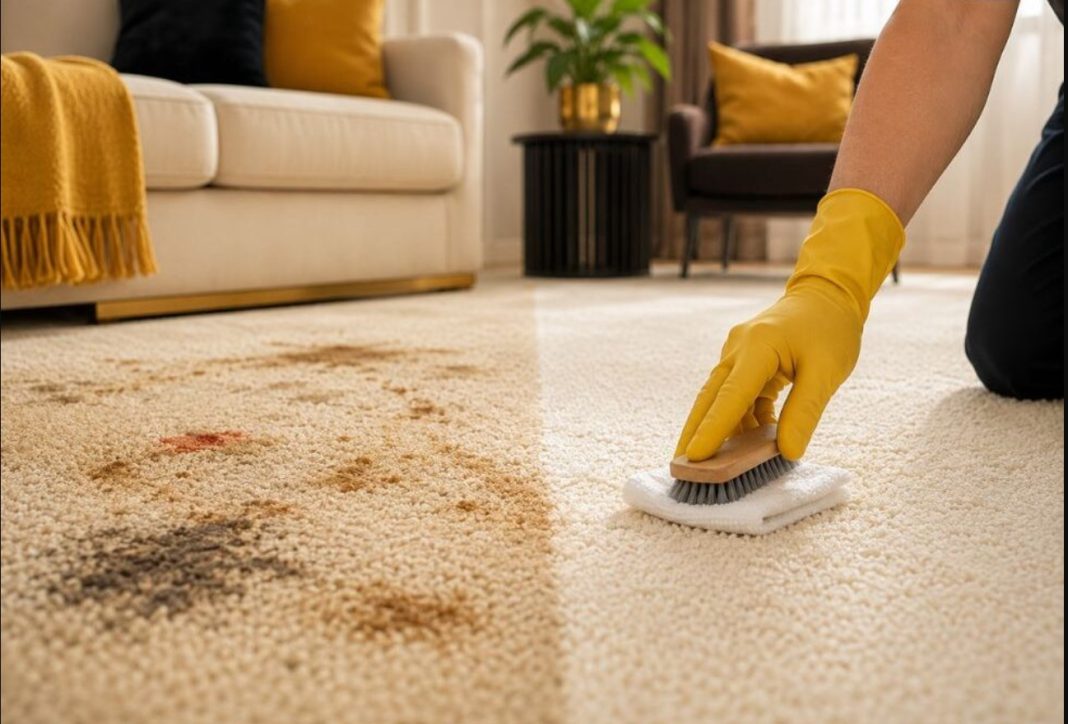

DIY rug care can handle regular vacuuming and fresh spills. Dirt, residues or stains that settle deeper into the fibres may require a different cleaning process. Professional cleaning adds an assessment of the rug, products suited to its materials and equipment designed to remove loosened soil and moisture.
That distinction matters when considering rug cleaning Cronulla services. Fibre type, construction, dyes, backing and previous treatments can affect how a rug responds to cleaning. Professional treatment accounts for these differences rather than applying the same process to every rug.
Professional Cleaning Matches the Method to the Rug
Professional cleaning begins by identifying what is being cleaned. Fibre, construction, condition and the type of soiling help determine an appropriate treatment.
Different materials do not respond identically to moisture, cleaning agents or agitation. WoolSafe, an international organisation focused on the care of wool and specialist fibres, notes that materials including sisal, viscose and bamboo can be sensitive to moisture. It also recommends pre-testing spot removers and avoiding overwetting.
This explains why using a general-purpose cleaner across an unfamiliar rug can create problems. The cleaning method needs to suit both the material and the mark being treated.
With professional rug cleaning in Cronulla, these characteristics can inform the cleaning approach before treatment begins. This assessment is particularly relevant for rugs with unfamiliar fibres, delicate construction or previous staining.
The practical rule is simple: identify the rug before deciding how to clean it.
Vacuuming cannot Remove Every Type of Soil
Regular vacuuming removes loose dust, crumbs, hair and other particles from a rug. The Carpet and Rug Institute recommends frequent vacuuming and identifies periodic deep cleaning as a separate part of carpet maintenance.
The two processes perform different tasks. A vacuum relies on airflow and agitation to collect loose material. Every day, foot traffic can push some particles further into the pile, where routine vacuuming may not remove them all.
Deep cleaning is designed to loosen material that has become more firmly associated with the fibres and remove it through the cleaning process. This can be particularly relevant for rugs in entrances, hallways, living rooms and dining areas that receive regular foot traffic.
Vacuuming remains the first line of routine maintenance, rather than a solution for every type of soiling. Keeping loose soil under control also reduces the amount of material that can accumulate deeper within the rug over time.
Stains Need Treatment Based on What Caused Them
Applying more cleaning product does not necessarily make a stain easier to remove. Different substances interact with rug fibres in different ways, and the wrong treatment can spread a mark or affect the pile.
The Carpet and Rug Institute recommends blotting spills instead of scrubbing them. It also advises testing cleaning products in an inconspicuous area and using small amounts rather than saturating the affected section.
The reason is both mechanical and chemical. Scrubbing moves the contaminant and the rug fibres simultaneously, potentially spreading the spill beyond its original area. Blotting transfers liquid into an absorbent cloth with less disturbance to the pile.
Professional stain treatment can account for the likely source of the mark and products that have already been applied. Grease, food, drinks, and pet accidents do not necessarily require the same treatment.
Some stains may remain despite careful cleaning. Age, permanent fibre damage, dye changes and previous treatments can all influence the result. Identifying these limitations is more realistic than assuming a stronger product will remove every mark.
Rug Cleaning Cronulla Requires Effective Extraction
Applying a cleaning solution is only part of deep cleaning. The loosened soil, cleaning product and excess moisture also need to be removed.
This is one area where home treatment has practical limitations. The Carpet and Rug Institute warns that some spot-removal products can leave residues and recommends thorough rinsing without overwetting. Detergent left in the fibres can contribute to rapid resoiling, as new soil can adhere to the residue.
Professional extraction equipment addresses the removal stage. Cleaning solution helps loosen soil from the fibres, and extraction then removes the contaminated solution and excess moisture.
Moisture control matters as well. A heavily saturated rug can take longer to dry, particularly when moisture reaches deeper layers. Drying time varies with fibre type, rug thickness, airflow, and environmental conditions, so a single drying-time promise would not apply to every rug.
The objective is controlled cleaning: use the appropriate amount of moisture and cleaning solution for the treatment, then remove as much of both as practical.
DIY Cleaning Works Best for Routine Rug Care
DIY care is useful for preventing everyday dirt and fresh spills from developing into more difficult cleaning problems.
The Carpet Institute of Australia recommends acting promptly on spills, initially using water and blotting with a dry white cloth. It also advises against using hard-surface cleaners on carpet and recommends following the manufacturer’s care instructions.
For routine maintenance, homeowners can:
- Vacuum regularly to remove loose soil
- Blot fresh spills instead of rubbing them
- Follow the rug manufacturer’s care instructions
- Pre-test an appropriate spot cleaner in a hidden area
- Avoid excessive water and detergent.
The decision about what to do next can be kept straightforward. If the problem is loose soil or a fresh, uncomplicated spill, start with appropriate home care. If it involves embedded soil, persistent staining, cleaning residue or uncertainty about the rug’s fibre, further DIY treatment carries more risk.
Consider professional treatment when careful spot cleaning has not resolved a mark, previous products have left residue, or the rug’s material makes further home treatment uncertain.
Valuable, delicate or unfamiliar rugs also deserve caution. Experimenting with stronger products without knowing how the fibre or dye will react can make the original problem harder to treat.
Professional Cleaning Addresses More Than Visible Dirt
The main difference between DIY and professional rug cleaning is the depth and control of the process.
DIY maintenance is suited to loose dirt and prompt treatment of straightforward spills. Professional cleaning adds material assessment, targeted stain treatment, deeper soil removal and extraction of cleaning solution and moisture. Each stage addresses a separate part of the cleaning process.
Routine home care remains useful between deeper cleans. Regular vacuuming and prompt spill treatment reduce the likelihood that loose soil and fresh stains become more difficult to address.
When a rug remains soiled, stained or affected by cleaning residue despite sensible maintenance, rug cleaning Cronulla addresses problems that surface treatment may leave behind. Matching the cleaning method to the rug and extracting loosened material provides a more controlled response without relying on repeated applications of household cleaning products.