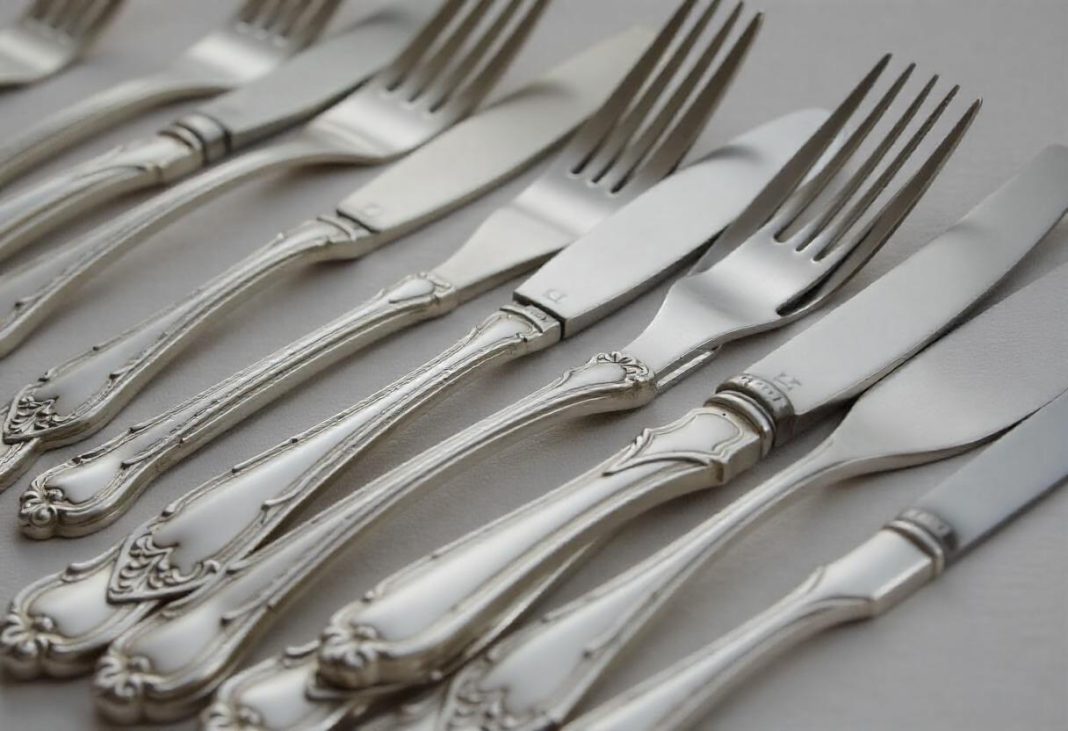

Silverware has long been associated with elegance, sophistication, and refined dining experiences. From luxury restaurants to everyday households, silverware plays an essential role in both functionality and presentation. Silverware Manufactures are responsible for producing high-quality cutlery and tableware that combines durability, design, and precision. Through advanced manufacturing techniques and skilled craftsmanship, these manufacturers supply a wide range of products that enhance dining tables around the world.
The Role of Silverware Manufacturers
Silverware manufacturers specialize in designing and producing utensils used for eating and serving food. These products typically include forks, knives, spoons, serving tools, and other dining accessories. Manufacturers create silverware for various markets, including households, hospitality businesses, catering companies, and luxury dining establishments.
The role of a silverware manufacturer goes beyond simply producing utensils. They must balance aesthetic design, ergonomics, and durability to ensure that each piece is comfortable to use and visually appealing. High-quality silverware not only improves the dining experience but also contributes to the overall table presentation.
Materials Used in Silverware Manufacturing
Modern silverware is produced using a variety of materials, each offering unique advantages. Stainless steel is the most common material used today due to its durability, resistance to rust, and ease of maintenance. It is ideal for both everyday use and commercial settings such as hotels and restaurants.
Traditional silverware, made from sterling silver or silver-plated materials, is still popular in luxury dining environments and formal occasions. Sterling silver contains a high percentage of pure silver and offers a classic, elegant appearance. Silver-plated cutlery, on the other hand, provides a similar look at a more affordable price by coating a base metal with a thin layer of silver.
Some manufacturers also produce silverware using modern alloys and specialized finishes that enhance durability and reduce scratching or tarnishing.
Manufacturing Process
The production of silverware involves several precise steps to ensure quality and consistency. The process typically begins with the selection of raw materials such as stainless steel sheets or silver alloys. These materials are cut into the basic shapes of utensils using specialized machinery.
Next, the pieces undergo forging or stamping to create their final structure. Forging helps strengthen the metal and improve durability, especially for knives and forks that must withstand repeated use. After shaping, the silverware is polished to achieve a smooth surface and attractive shine.
Many manufacturers add decorative patterns, engravings, or textured handles to enhance the design. The final stage includes quality inspection, where each piece is checked for defects, sharp edges, or imperfections before packaging and distribution.
Design and Innovation
Design plays a major role in the silverware industry. Manufacturers continuously develop new styles and patterns to meet changing consumer preferences. Some designs focus on minimalist and modern aesthetics, while others draw inspiration from classic and traditional patterns.
Ergonomics is also an important factor in design. Silverware should feel comfortable in the hand and be balanced for ease of use. Leading manufacturers invest in research and development to create designs that combine style with practicality.
Innovation has also introduced advanced finishing techniques, such as mirror polishing, matte finishes, and protective coatings that reduce fingerprints and scratches. These improvements enhance both the appearance and longevity of the silverware.
Silverware for Hospitality and Commercial Use
The hospitality industry is one of the largest consumers of silverware. Hotels, restaurants, catering services, and event venues require large quantities of durable and stylish cutlery to serve guests efficiently. Silverware manufacturers often produce specialized collections designed specifically for commercial environments.
Commercial-grade silverware must withstand frequent washing, heavy use, and exposure to dishwashers without losing its quality. Manufacturers focus on producing sturdy, corrosion-resistant utensils that maintain their shine even after repeated use.
Many hospitality businesses also choose custom designs that reflect their brand identity. Manufacturers may offer personalized engraving or unique handle designs to help restaurants create a distinctive dining experience.
Sustainability in Silverware Manufacturing
As environmental awareness grows, many silverware manufacturers are adopting more sustainable production practices. This includes using recyclable materials, reducing waste during manufacturing, and implementing energy-efficient processes.
Stainless steel, one of the most widely used materials in silverware, is highly recyclable and environmentally friendly. Manufacturers are also exploring eco-friendly packaging options and reducing the use of plastics in product packaging.
Sustainable manufacturing not only helps protect the environment but also appeals to environmentally conscious consumers who prefer products made with responsible practices.
Choosing a Reliable Silverware Manufacturer
Businesses and retailers looking for high-quality silverware should carefully evaluate manufacturers before making a purchase. Key factors to consider include product quality, manufacturing standards, material selection, and design variety.
Experienced manufacturers typically offer a wide range of styles and customization options to meet different customer needs. Certifications and quality control processes also indicate that the manufacturer maintains high production standards.
Reliable manufacturers also provide consistent supply, competitive pricing, and excellent customer support, which are important for long-term partnerships.
Conclusion
Silverware manufacturers play a crucial role in the global dining industry by producing utensils that combine functionality, durability, and style. Through advanced technology, skilled craftsmanship, and innovative design, these manufacturers create products that enhance both everyday meals and formal dining experiences. Whether for households, restaurants, or luxury events, high-quality silverware remains an essential part of the dining table, reflecting both tradition and modern design.