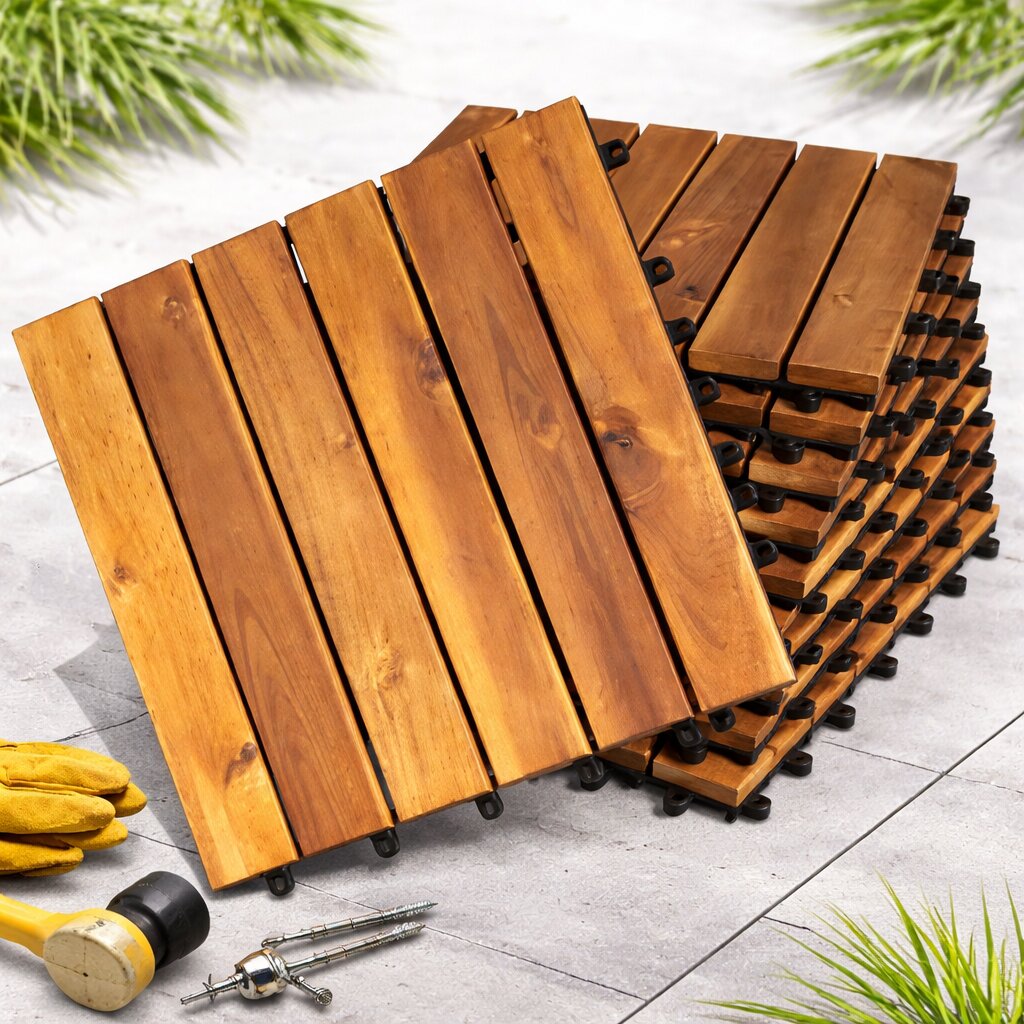

Many business and residential property owners place a high value on designing an outside space that is both aesthetically pleasing and comfortable. One of the most useful and visually appealing ways to improve garden areas is with wooden decking tiles. These Decking Tiles, which are made to seem natural and be long-lasting, instantly create cozy and welcoming spaces on patios, balconies, and backyards. Wooden decking tiles not only enhance looks but also provide long-term performance, ease of installation, and functionality.
Decking tiles are frequently utilized in rooftop spaces, terraces, outdoor lounging areas, and swimming locations. Their natural appearance and sturdy construction make them appropriate for both light commercial and home applications. Wooden decking tiles improve the overall ambiance of outdoor areas and provide secure walking surfaces owing to their strong structure and interlocking mechanisms.
Choosing Materials for Outdoor Durability
The type of wood chosen has a significant impact on the performance and longevity of wooden decking tiles. Choosing the correct material is crucial because garden spaces are exposed to sunlight, rain, moisture, and temperature changes.
Teak Wood Decking Tile
They are renowned for their inherent oils and exceptional resistance to dampness, insects, and deterioration. It needs very little upkeep and works incredibly well in outdoor settings. Teak decking tiles are a popular option for high-end garden projects because they retain their strength and beauty even in humid or rainy environments.
Acacia Wood Decking Tile
Acacia is a durable hardwood that offers both strength and affordability. It has natural resistance to wear and outdoor conditions when properly treated. The rich hue of acacia decking tiles adds to the coziness of garden spaces. Their lifespan is increased with regular sealing.
Eucalyptus Wood Decking Tile
Eucalyptus is another sturdy hardwood used for outdoor decking. It has a pleasing grain pattern and offers good resilience to weather exposure. In order to preserve their natural finish and increase their endurance, these Wooden Decking Tiles are frequently treated.
Pressure-treated Softwood Tiles
Pressure-treated pine or softwood decking tiles are frequently utilized for applications that are more affordable. To prevent moisture and insect damage, these tiles have undergone chemical treatment. They offer an affordable way to improve outdoor areas, even though they might need sporadic upkeep.
Choosing the right kind of wood guarantees durability, lowers maintenance requirements, and maintains the garden’s organic charm.
Comfort and Usability
Comfortable and practical flooring is essential for garden areas. For outdoor activities, strolling, and sitting, wooden decking tiles offer a level and sturdy surface. Compared to tile or plain concrete surfaces, their natural texture provides superior grip, lowering the chance of slipping.
Permanent adhesives and other tools are not required for the simple installation made possible by the modular base technology. Wooden decking tiles are perfect for temporary or seasonal outdoor arrangements because of this feature. They can also be put over pre-existing surfaces, like balconies or patios made of concrete, to improve the look right away.
Wooden decking tiles not only increase comfort but also enhance drainage. Most designs feature slatted surfaces and raised bases that allow water to pass through, preventing water accumulation. This helps maintain a dry and safe walking surface, particularly after rainfall or garden watering.
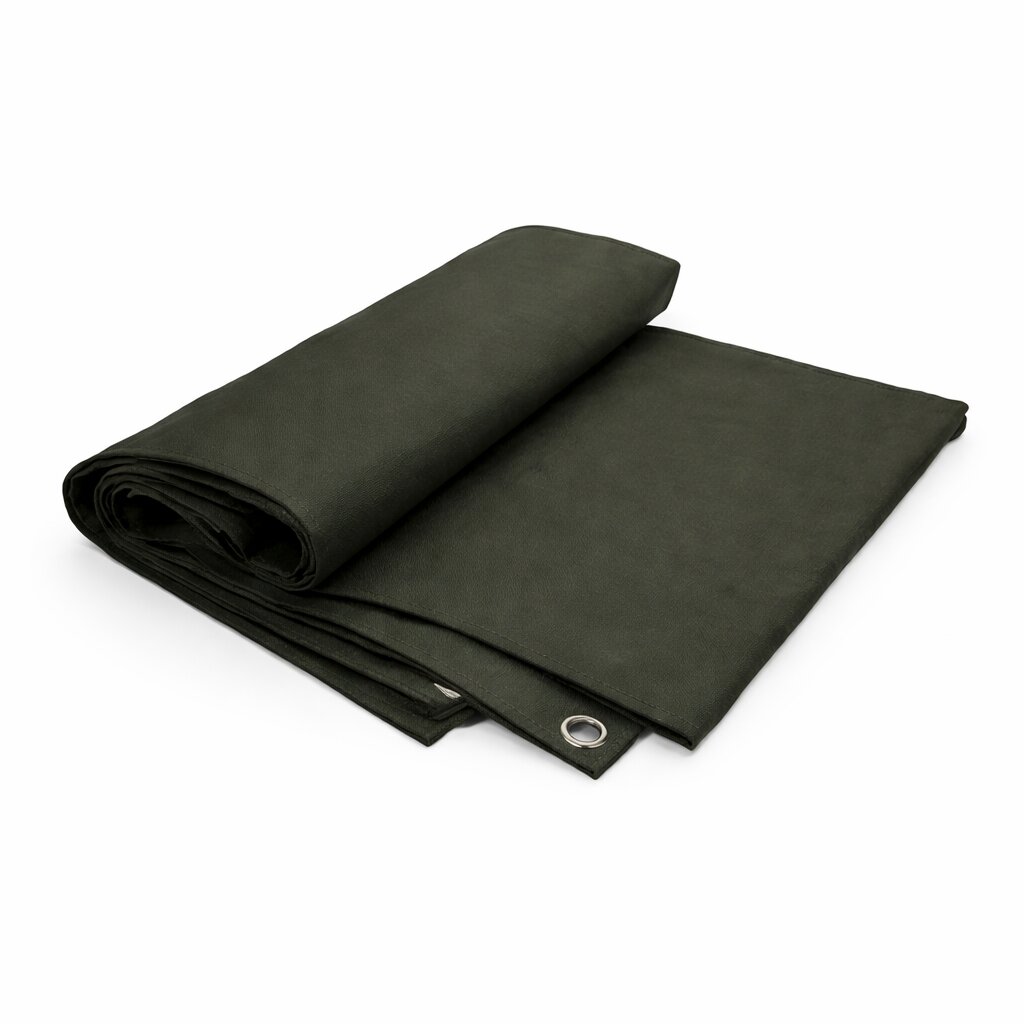
Additionally, wood functions as a natural insulator, staying cooler in direct sunlight than surfaces made of stone or metal. This makes decking tiles more comfortable for barefoot walking, especially in residential garden settings. Click here if you want to know more about tarpaulin.
Benefits for Economy and Environment
Wood deck tiles offer both economic and environmental advantages. Compared to conventional decking systems, their modular design saves labor costs and installation time. Overall project costs are kept under control since they can be implemented without requiring significant structural changes. From an environmental perspective, many wooden decking tiles are made from sustainably sourced wood. Compared to synthetic alternatives, natural wood is more environmentally friendly because it is renewable and biodegradable. Durable hardwood types minimize material waste by reducing the need for regular replacement.
Improving aesthetic appeal in outdoor areas of homes and businesses can raise property values and enhance user satisfaction. A thoughtfully planned garden space fosters relaxation and a warm welcome. By combining natural warmth, durability, and practical functionality, wooden decking tiles remain an ideal choice for transforming garden spaces. They are a useful addition to contemporary landscape design because of their capacity to endure outside conditions, enhance aesthetics, and offer comfort.