
For years, classrooms have become increasingly digital. Tablets replaced textbooks, online assignments became the norm, and students began spending more time in front of screens than ever before. Technology has created incredible opportunities, but many educators believe something important was lost along the way.
Across the country, schools are bringing back hands-on learning. School gardens, outdoor classrooms, makerspaces, culinary programmes, and community service projects are becoming more common because they give students something every lesson should strive for: a chance to participate rather than simply observe.
While traditional classroom instruction remains essential, many educators are finding that some of the most memorable lessons happen when students are creating, building, growing, and solving real problems together.
Learning Becomes More Meaningful Through Experience
Reading about a concept and experiencing it firsthand are two very different things.
A science lesson becomes more engaging when students grow the plants they’re studying. Environmental stewardship feels more personal when children care for a garden themselves. Teamwork develops naturally when students work toward a shared goal instead of completing individual worksheets.
Research continues to show that experiential learning helps students strengthen critical thinking, problem-solving, and long-term retention because they’re actively involved in the learning process rather than simply receiving information.
Hands-On Learning Builds Skills That Last
One of the biggest advantages of experiential learning is that it develops skills that reach beyond academics.
As students work together on projects, they learn how to communicate, collaborate, adapt, and take responsibility. They also begin connecting classroom concepts to real-life situations, making learning more relevant and memorable.
Those experiences often encourage children to become more curious as they ask questions, test ideas, and discover answers for themselves.
According to Michele Fasnacht, founder and Executive Director of Solid Rock Community School, those moments often become the lessons students remember most.
“Some of the most meaningful learning happens when students are actively involved. When they can see, touch, build, grow, and care for something, the lesson becomes personal. Those experiences often stay with them long after they leave the classroom.”
Learning Beyond the Classroom Walls
Many schools are expanding learning opportunities beyond traditional classrooms to help students experience education in new ways.
At Solid Rock Community School, hands-on learning is woven throughout the school’s Compassionate Humane Education (CHE) approach. Students don’t simply learn about environmental stewardship, responsibility, or compassion through classroom discussions. They have opportunities to practise those values every day.
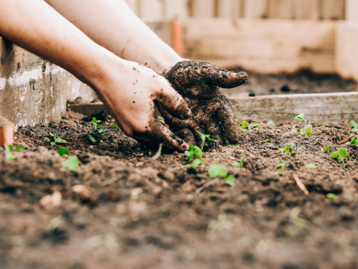
The school’s Seed-to-Table Garden allows students to plant, maintain, and harvest fresh produce while learning about sustainability, nutrition, and the patience required to nurture living things. Through Sanctuary at Solid Rock, students also help care for rescued animals, developing empathy and responsibility while gaining a deeper appreciation for the connection between people, animals, and the environment.
These experiences are complemented by service learning and the school’s SAVE vocational programme, where students develop practical skills while contributing to their community. Together, these initiatives encourage students to see learning as something that extends far beyond textbooks and classrooms.
Preparing Students for a Changing World
The workplace continues to evolve, and employers increasingly value qualities like communication, adaptability, collaboration, and creative thinking alongside technical knowledge.
Hands-on learning helps students develop those abilities in authentic ways because they’re regularly faced with situations that require teamwork, problem-solving, and thoughtful decision-making. Instead of memorising information for a test, they’re learning how to apply knowledge in meaningful contexts.
That combination of academic understanding and practical experience helps prepare students for challenges they’ll encounter long after graduation.
Lessons That Stay With Students
Hands-on learning isn’t replacing traditional education. It’s strengthening it.
When students have opportunities to explore, create, grow, and contribute, learning becomes more engaging and more memorable. They begin making connections between what they’re learning in school and the world around them, giving lessons greater purpose and lasting impact.
For Michele Fasnacht, that’s why experiential learning continues to play such an important role in education. Whether students are tending the Seed-to-Table Garden, caring for rescued animals through Sanctuary at Solid Rock, participating in service projects, or developing practical skills through vocational learning, they aren’t just gaining knowledge. They’re building experiences that help shape the way they think, solve problems, and contribute to the world around them.