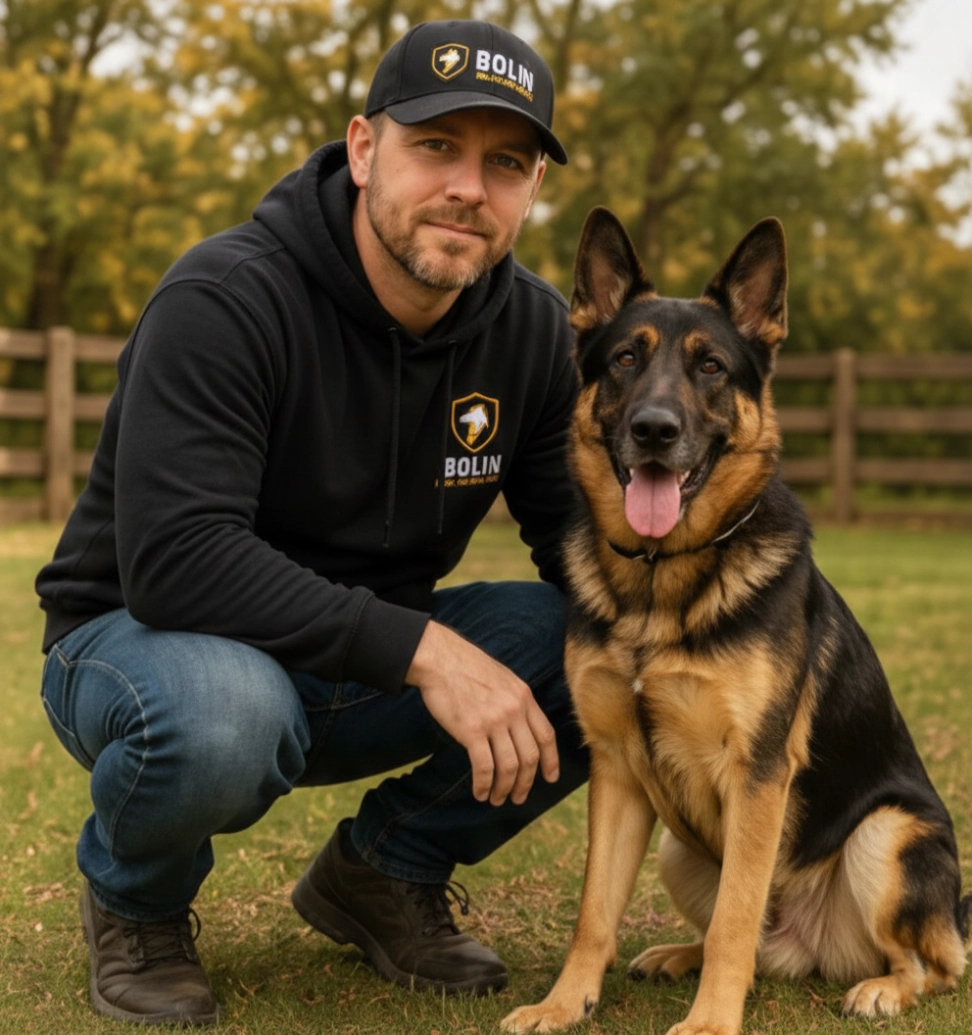

Dog training is an important part of responsible pet ownership. A well-trained dog is easier to manage, safer around people and other animals, and more confident in different situations. Training also strengthens the bond between dogs and their owners by encouraging communication, trust, and consistency.
Whether you have a young puppy or an adult dog, it is never too late to start training. With patience, positive reinforcement, and regular practice, most dogs can learn basic commands and appropriate behaviors.
Why Is Dog Training Important?
Dog training is about more than teaching commands such as “sit” or “stay.” It helps dogs understand what is expected of them and gives owners better control in everyday situations.
Basic training can help prevent unwanted behaviors such as jumping on people, excessive barking, chewing furniture, pulling on the leash, and running away. Training can also improve safety because a reliable recall command may help prevent a dog from running into traffic or other dangerous situations.
Training provides mental stimulation as well. Dogs naturally enjoy learning and solving problems, so short training sessions can help keep them mentally active.
Start Training Early
Puppies can begin learning simple behaviors as soon as they arrive at their new home. Early training should focus on positive experiences, socialization, basic commands, and household routines.
Young puppies have short attention spans, so training sessions should be brief and enjoyable. Several five-minute sessions throughout the day are often more effective than one long session.
Adult dogs can also learn new behaviors. While an older dog may have established habits, consistent training can still help change unwanted behaviors.
Use Positive Reinforcement
Positive reinforcement is one of the most effective approaches to dog training. It involves rewarding a dog when it performs a desired behavior.
Rewards can include small treats, praise, toys, petting, or access to something the dog enjoys. The reward should be given soon after the correct behavior so the dog can understand what earned it.
For example, when teaching a dog to sit, say “sit,” guide or encourage the dog into the position, and immediately reward it when its bottom touches the ground. With repetition, the dog begins to associate the word with the behavior.
Avoid harsh punishment during training. Physical punishment can create fear and may damage the relationship between a dog and its owner.
Teach Basic Commands
Every dog should learn several basic commands. These commands are useful at home, during walks, and in potentially dangerous situations.
Sit
“Sit” is one of the easiest commands to teach. Hold a treat near your dog’s nose and slowly move it upward and slightly backward. As the dog follows the treat, it will naturally lower its hindquarters. Say “sit” and reward the dog as soon as it sits.
Stay
Once your dog understands “sit,” you can begin teaching “stay.” Ask your dog to sit, show your open hand, say “stay,” and take a small step backward. Return and reward the dog if it remains in place. Gradually increase the distance and duration.
Come
Recall training is particularly important for safety. Start indoors or in a secure area with minimal distractions. Say your dog’s name followed by “come” in a happy voice. When the dog comes toward you, reward it generously.
Never punish a dog after it comes to you, even if it took a long time. You want the dog to associate coming when called with positive experiences.
Leave It
“Leave it” teaches a dog not to touch something. This can be especially useful when a dog encounters food, rubbish, medications, or other potentially dangerous objects.
Start with a low-value item and reward the dog for looking away from it. Gradually practice with more distracting objects.
Leash Training
Many dogs become difficult to control when they see another dog, person, or interesting smell during a walk. Leash training should begin in a quiet environment before moving to busier areas.
Reward your dog for walking beside you with a loose leash. If the dog pulls, stop walking and wait for the leash to become loose before continuing.
Avoid constantly pulling the leash in the opposite direction. Instead, teach the dog that walking calmly allows the walk to continue.
Socialization Is Essential
Socialization helps dogs become comfortable around people, animals, sounds, environments, and different experiences. Proper socialization is particularly important during puppyhood.
Introduce new experiences gradually and make them positive. A puppy should not be forced into situations that cause significant fear. Instead, give the puppy time to observe and approach new experiences at its own pace.
A properly socialized dog is generally better prepared to handle everyday situations without excessive fear or anxiety.
Address Unwanted Behaviors
Unwanted behaviors should be addressed by understanding why they occur. For example, a dog may bark because it is excited, frightened, bored, or trying to get attention.
Simply telling the dog to stop may not solve the underlying problem. Owners should identify the trigger and teach an appropriate alternative behavior.
For serious problems such as aggression, severe separation anxiety, or intense fear, professional help from a qualified veterinarian or certified dog behavior professional may be appropriate.
Be Consistent
Consistency is one of the most important parts of successful dog training. Everyone in the household should use the same commands and follow the same rules.
For example, if one person allows the dog to jump on the sofa while another person does not, the dog may become confused.
Training should also be practiced regularly. Short sessions repeated throughout the week can produce better results than occasional intensive training.
Keep Training Fun
Dogs learn best when training is enjoyable. Use a positive tone, keep sessions short, and finish with an easy behavior that the dog already knows.
Every dog learns at a different pace. Some dogs respond quickly to food rewards, while others may be more motivated by toys, praise, or play.
The goal is not perfection after one session. Dog training is an ongoing process that builds good habits through repetition and positive experiences.
Final Thoughts
Dog training helps create a safer, happier, and more enjoyable relationship between dogs and their owners. Starting with basic commands, using positive reinforcement, practicing consistently, and providing appropriate socialization can make a significant difference.
Whether you are training a new puppy or improving the behavior of an adult dog, patience is essential. With clear communication and regular practice, your dog can develop reliable behaviors that make everyday life easier for both of you.