

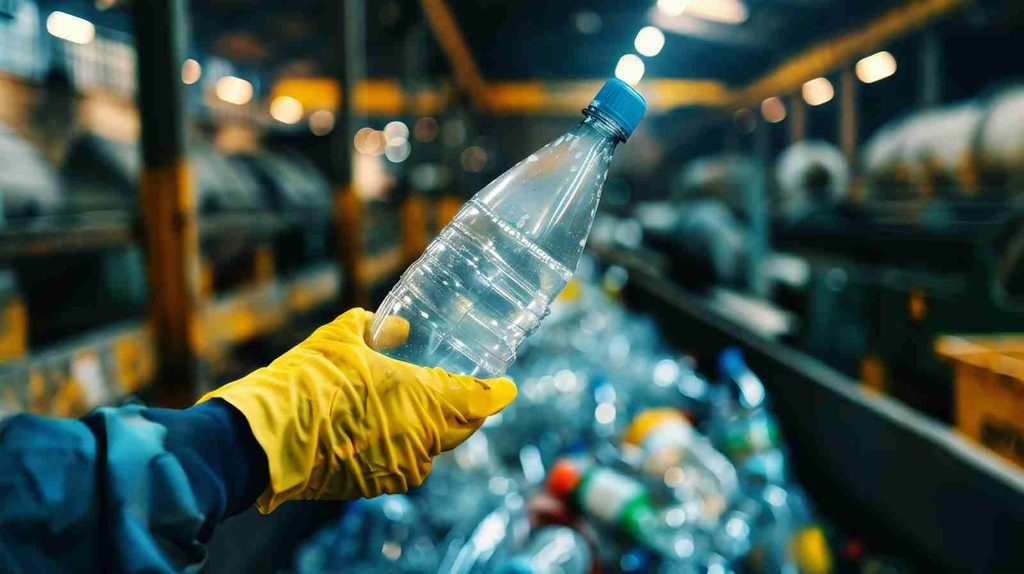
Plastic has become one of the most debated materials in modern manufacturing, and for good reason. It’s durable, versatile, and inexpensive, but it also carries a reputation for environmental harm that has shaped public perception for decades. Behind the headlines, however, a significant shift is underway. Industry leaders, manufacturers, and advocacy groups are working together to advance plastic sustainability in ways that go far beyond simple recycling efforts.
Rethinking Plastic’s Role in a Circular Economy
For years, the conversation around plastic focused almost entirely on reducing usage. While reduction still matters, the broader industry conversation has shifted toward a more practical and impactful goal: building a genuine circular economy where plastic waste becomes a resource rather than a burden.
This shift represents a fundamental change in how plastic sustainability is approached. Instead of treating plastic as a disposable material destined for landfills, industry efforts increasingly focus on designing products for reuse, improving recycling infrastructure, and finding new ways to repurpose plastic waste into valuable materials.
Several factors are driving this shift:
- Growing consumer demand for environmentally responsible products and packaging
- Stricter regulations at both state and federal levels targeting plastic waste reduction
- Advances in recycling technology that make it easier to process and repurpose plastic materials
- Corporate sustainability commitments pushing manufacturers to rethink packaging and product design
Together, these pressures have accelerated a broader industry push toward meaningful plastic sustainability rather than surface-level environmental messaging.
The Reality of Plastic Recycling Today
Public understanding of plastic recycling often lags behind the technology actually available today. Many people still assume that most plastic simply can’t be recycled effectively, but significant advancements have changed that reality in recent years.
Modern recycling facilities are increasingly capable of processing a wider range of plastic types, thanks to improvements in sorting technology and chemical recycling processes. These advancements allow more plastic waste to be converted back into usable raw materials rather than ending up in landfills or incinerators.
Still, challenges remain. Effective plastic sustainability requires addressing several ongoing obstacles:
- Inconsistent recycling infrastructure across different regions, leading to confusion about what can and can’t be recycled locally
- Contamination issues, where improperly sorted materials reduce the quality and usability of recycled plastic
- Limited public awareness about proper recycling practices, leading to unnecessary waste
- Economic barriers that make recycled materials more expensive than virgin plastic in some cases
Addressing these challenges requires coordinated effort across manufacturers, recycling facilities, policymakers, and consumers alike.
Industry Collaboration Driving Real Change
One of the most promising developments in plastic sustainability is the level of collaboration happening across the industry. Rather than individual companies working in isolation, manufacturers, recyclers, and advocacy organizations are increasingly working together to establish shared standards and practical solutions.
This collaborative approach has led to meaningful progress in several key areas:
- Developing standardized recycling guidelines to reduce consumer confusion
- Investing in improved sorting and processing technology at recycling facilities
- Creating design standards that make products easier to recycle from the start
- Sharing research and best practices across the industry to accelerate progress
This kind of coordinated effort reflects a genuine shift from reactive environmental messaging toward proactive, structural improvements in how plastic is produced, used, and recycled.
Designing for Sustainability From the Start
One of the most effective strategies in advancing plastic sustainability involves rethinking product design from the very beginning. Rather than addressing recyclability as an afterthought, manufacturers are increasingly designing products specifically with end-of-life recycling in mind.
This approach, often referred to as design for recyclability, includes practical strategies such as:
- Using single-material packaging instead of complex, multi-material designs that are difficult to recycle
- Reducing unnecessary packaging layers that add waste without functional benefit
- Choosing plastic types that are widely accepted by recycling facilities
- Avoiding dyes and additives that complicate the recycling process
These design choices might seem small individually, but at scale, they significantly improve how much plastic can realistically be recycled and reused, directly supporting broader plastic sustainability goals.
The Role of Chemical Recycling in Expanding Possibilities
Traditional mechanical recycling, while valuable, has limitations. Not all plastic types can be effectively processed through conventional recycling methods, and repeated processing can degrade material quality over time. This is where chemical recycling has emerged as a promising complement to traditional methods.
Chemical recycling breaks plastic down into its basic molecular components, allowing it to be rebuilt into new, high-quality plastic without the quality degradation associated with mechanical recycling. This technology significantly expands the range of plastic materials that can be effectively recycled, supporting a more comprehensive approach to plastic sustainability.
While chemical recycling is still developing at scale, continued investment and research are helping this technology become a more practical and widely available solution.
Consumer Behavior and Its Impact on Progress
Industry innovation alone can’t solve the plastic waste challenge. Consumer behavior plays a critical role in whether sustainability efforts actually succeed. Even the most advanced recycling technology depends on consumers properly sorting and disposing of materials in the first place.
Improving consumer participation requires clear, accessible education. Businesses and advocacy organizations are increasingly focused on:
- Simplifying recycling instructions to reduce confusion about what materials are accepted
- Improving packaging labels to clearly indicate recyclability
- Promoting awareness campaigns that explain the real impact of proper recycling habits
- Encouraging reduced single-use plastic consumption where practical alternatives exist
When consumers understand exactly how their actions contribute to broader plastic sustainability goals, participation rates tend to improve significantly.
Economic Incentives Supporting Sustainable Practices
Sustainability efforts often face resistance when they come with added costs, but the economics of plastic sustainability are shifting in a positive direction. As recycling technology improves and demand for recycled materials grows, the cost gap between recycled and virgin plastic continues to narrow.
Several economic factors are supporting this shift:
- Growing corporate demand for recycled content to meet sustainability commitments
- Government incentives and grants supporting recycling infrastructure investment
- Increasing consumer willingness to pay a premium for sustainably produced products
- Long-term cost savings associated with reduced waste management expenses
These economic incentives are helping make plastic sustainability not just an environmental priority, but a financially sound business strategy as well.
The Path Forward
Meaningful progress in plastic sustainability requires continued collaboration across every part of the supply chain, from manufacturers and recyclers to policymakers and everyday consumers. No single solution will solve the challenge entirely. Instead, progress depends on a combination of improved technology, smarter product design, stronger infrastructure, and better public understanding.
Industry advisory efforts play a critical role in this process, bringing together experts to share knowledge, establish best practices, and guide the industry toward more effective, scalable solutions. This kind of coordinated leadership helps ensure that progress isn’t fragmented or inconsistent, but instead builds toward meaningful, lasting change.
Final Thoughts
The shift from treating plastic waste as a disposable problem to viewing it as a valuable resource represents real progress in how the industry approaches environmental responsibility. Advancing plastic sustainability requires ongoing collaboration, smarter design choices, improved recycling technology, and stronger public awareness, all working together toward a more circular, resource-conscious future.
The Plastics Industry Association remains committed to supporting this progress through its Sustainability Advisory Board, working alongside industry leaders to advance practical, effective solutions that move plastic sustainability forward.


