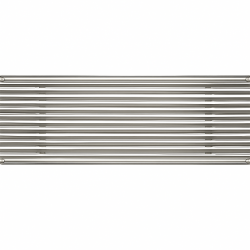

Proper ventilation is an important part of maintaining a comfortable and healthy environment on a boat. Enclosed spaces can quickly become warm, humid, and poorly ventilated, particularly when a vessel is stored or exposed to strong sunlight. Deck Vents provide a practical way to encourage airflow while helping manage moisture and condensation in cabins, lockers, and other enclosed areas.
What Are Deck Vents?
Deck vents are marine ventilation fittings installed on or through a boat’s deck or other suitable surfaces. They are designed to allow air to circulate between enclosed areas and the outside environment.
Depending on their design, deck vents can be used to ventilate cabins, storage compartments, engine spaces, and other areas where airflow is important. They are available in various shapes, sizes, and materials to suit different vessel designs.
Why Ventilation Matters
Moisture and heat can build up quickly inside enclosed boat spaces. Poor airflow may contribute to condensation, unpleasant odors, and damp conditions. Over time, excessive moisture can affect fabrics, wood, equipment, and other interior components.
A suitable ventilation system helps move stale air and allows fresh air to circulate. Deck vents can therefore form an important part of a boat’s overall ventilation strategy.
Different Types of Deck Vents
Deck vents are available in several designs to meet different requirements. Fixed vents provide continuous airflow, while adjustable models allow users to control the amount of ventilation.
Some vents are designed with covers or hoods that help protect the opening from direct rain and spray. Others feature compact, low-profile designs that integrate neatly with the deck.
The right type depends on the location, required airflow, exposure to weather, and overall design of the vessel.
Materials and Marine Durability
Because deck vents are exposed to outdoor and marine conditions, durability is an important consideration. Stainless steel, aluminum, UV-resistant plastics, and other marine-grade materials are commonly used.
Corrosion resistance is particularly valuable on boats operating in saltwater. A durable vent should be able to withstand moisture, sunlight, wind, and regular cleaning without quickly deteriorating.
The finish and design should also complement the boat while providing the required level of ventilation.
Installation Considerations
Correct installation is essential to prevent unwanted water ingress and ensure effective airflow. The installation location should be selected carefully, taking into account the area that needs ventilation and the amount of exposure to rain or spray.
Appropriate seals and mounting hardware should be used according to the manufacturer’s instructions. The vent should also be positioned so that it does not interfere with walking areas, rigging, hatches, or other deck equipment.
For complex installations, professional marine assistance can help ensure proper fitting and sealing.
Maintenance of Deck Vents
Regular inspection helps keep deck vents functioning effectively. Dirt, salt, dust, and debris can accumulate around ventilation openings and restrict airflow.
Vents should be cleaned periodically using methods appropriate for their material. Owners should also inspect seals, fasteners, and surrounding deck areas for signs of wear or damage.
If a vent becomes cracked, blocked, or corroded, replacing it promptly can help maintain proper ventilation and prevent further problems.
Choosing the Right Deck Vents
When selecting Deck Vents, consider the size of the space, required airflow, installation location, material, weather exposure, and overall deck design. The vent should provide sufficient ventilation while offering suitable protection against water entry.
A combination of appropriately positioned vents can help create better air circulation throughout different areas of a vessel.
Conclusion
Deck Vents are practical marine fittings that support airflow and help manage heat, humidity, and condensation in enclosed boat spaces. With durable construction, correct installation, and regular maintenance, they can contribute to a more comfortable and well-maintained vessel. Choosing suitable deck vents according to the boat’s design and ventilation requirements can provide an effective solution for maintaining fresh air and protecting interior spaces.



