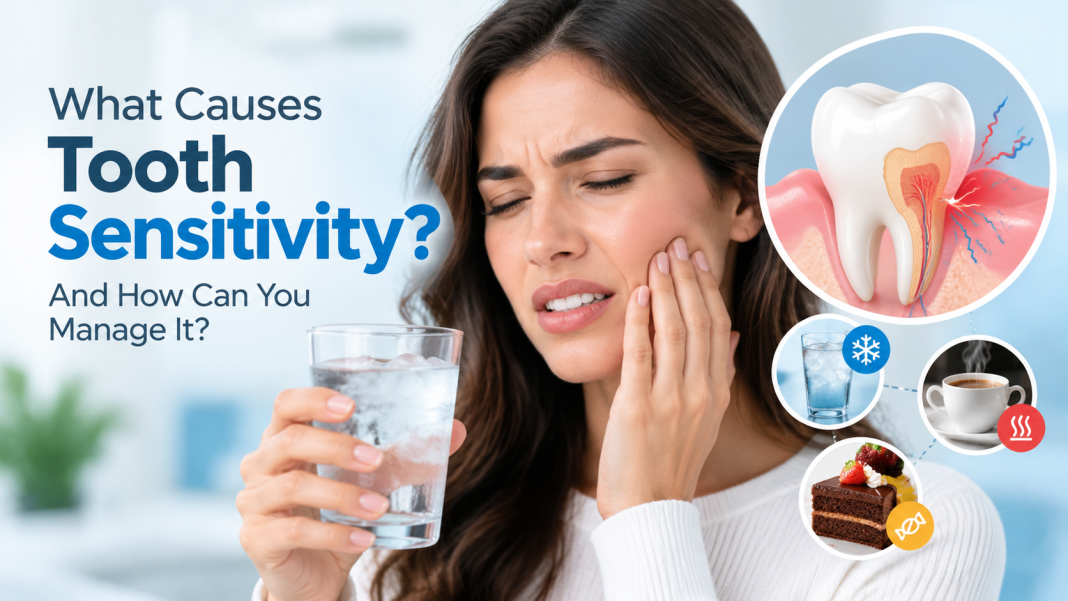

Experiencing a sharp sensation when drinking something cold, eating hot food, or enjoying a sweet treat can make everyday meals uncomfortable. Tooth sensitivity is a common dental concern that may occur occasionally or become a recurring problem. Understanding its possible causes can help you identify when professional dental advice may be needed.
Although mild sensitivity can sometimes be managed with changes to your oral care routine, persistent or severe discomfort should not be ignored.
What Is Tooth Sensitivity?
Tooth sensitivity occurs when the teeth react painfully or uncomfortably to certain triggers, such as temperature changes, sweet foods, or acidic drinks. It often develops when the protective enamel becomes worn or when the gums recede and expose the underlying dentin.
Dentin contains tiny channels that connect to the inner parts of the tooth. When it becomes exposed, external stimuli can trigger discomfort. The intensity may range from a brief twinge to more noticeable pain, depending on the underlying cause.
Common Causes of Tooth Sensitivity
Several factors can contribute to sensitive teeth. Enamel erosion may occur because of frequent exposure to acidic foods and drinks, while brushing too aggressively can contribute to enamel wear and gum recession over time.
Gum recession can expose the roots of teeth, which do not have the same protective enamel covering as the crowns. Tooth decay, cracked teeth, worn fillings, and other dental problems may also cause sensitivity. Some people experience temporary sensitivity after procedures such as teeth whitening or certain restorative treatments.
Because these causes can produce similar symptoms, a dental examination may be necessary to determine what is responsible for the discomfort.
How Can You Reduce Tooth Sensitivity at Home?
A few changes to your daily oral care routine may help reduce sensitivity, particularly when it is related to exposed dentin or enamel wear.
Consider using a soft-bristled toothbrush and brushing gently with fluoride toothpaste. A toothpaste formulated for sensitive teeth may help reduce discomfort when used consistently according to its instructions. Avoid brushing immediately after consuming acidic foods or drinks; rinsing with water and waiting around 30 to 60 minutes before brushing can help protect softened enamel.
You may also benefit from limiting frequent acidic drinks, including soda and citrus-based beverages. Drinking water after consuming acidic foods can help rinse the mouth, while maintaining good oral hygiene supports healthier teeth and gums.
These steps may help with some forms of sensitivity, but they cannot treat every underlying dental problem.
When Should You See a Dentist?
Occasional, mild sensitivity may improve with appropriate oral care, but ongoing discomfort deserves attention. Arrange a dental examination if the sensitivity persists, becomes more intense, affects one particular tooth, or interferes with eating and drinking.
You should also seek professional advice if you notice visible tooth damage, swollen gums, pain when biting, or a persistent toothache. These symptoms may indicate a problem that requires treatment rather than just a change in toothpaste.
A dentist can examine the affected teeth and gums, check for decay or cracks, and recommend suitable care based on the findings.
How Can a Dentist Treat Sensitive Teeth?
Treatment depends on the cause. For sensitivity associated with exposed dentin, a dentist may recommend desensitizing products or apply a protective fluoride treatment. If tooth decay is present, a filling or another restorative procedure may be needed.
When sensitivity is related to gum recession, the dentist can assess the gum health and discuss appropriate options. A damaged tooth may require additional treatment, depending on the extent of the problem.
If you are considering cosmetic procedures such as teeth whitening, discuss any existing sensitivity with your dental provider beforehand. This helps the dental team assess whether treatment is appropriate and explain ways to manage potential discomfort.
Can Tooth Sensitivity Be Prevented?
Although not every cause can be prevented, good oral hygiene and gentle brushing can reduce some risk factors. Use fluoride toothpaste, clean between your teeth daily, and avoid habits that can damage enamel, such as chewing ice or using your teeth to open packaging.
It is also helpful to moderate acidic foods and drinks and maintain regular dental checkups. If you grind your teeth, ask your dentist whether a protective night guard may be appropriate.
Pay attention to changes in how your teeth feel. Addressing sensitivity early can help identify underlying concerns before they become more difficult to manage.
Keep Your Smile Comfortable and Healthy
Tooth sensitivity can have several causes, from enamel erosion to tooth decay. Choosing suitable oral care products and adjusting daily habits may help, but persistent symptoms should be evaluated by a dental professional.
With the right diagnosis and care plan, many causes of sensitivity can be managed effectively. Regular dental visits and consistent home care can help you protect your teeth and enjoy greater comfort when eating and drinking.
Frequently Asked Questions
1. Why do my teeth hurt when I drink cold water?
Cold water may trigger discomfort when dentin is exposed because of enamel wear or gum recession. Tooth decay, cracks, and other dental conditions can also cause this reaction.
2. Does toothpaste for sensitive teeth really work?
Desensitizing toothpaste can help reduce discomfort for some people when used regularly as directed. If symptoms continue, a dentist should check for other possible causes.
3. Can tooth sensitivity go away on its own?
Temporary sensitivity may improve, but persistent sensitivity can indicate an underlying problem. A dental examination can help determine whether treatment is needed.
4. Should I stop brushing if my teeth are sensitive?
No. Continue brushing gently with a soft-bristled toothbrush and fluoride toothpaste. Avoid aggressive brushing, and consult a dentist if brushing causes ongoing discomfort.
5. Can teeth whitening make sensitivity worse?
Yes. Some whitening treatments can cause temporary sensitivity. Discuss existing symptoms with your dentist before starting a whitening treatment.



