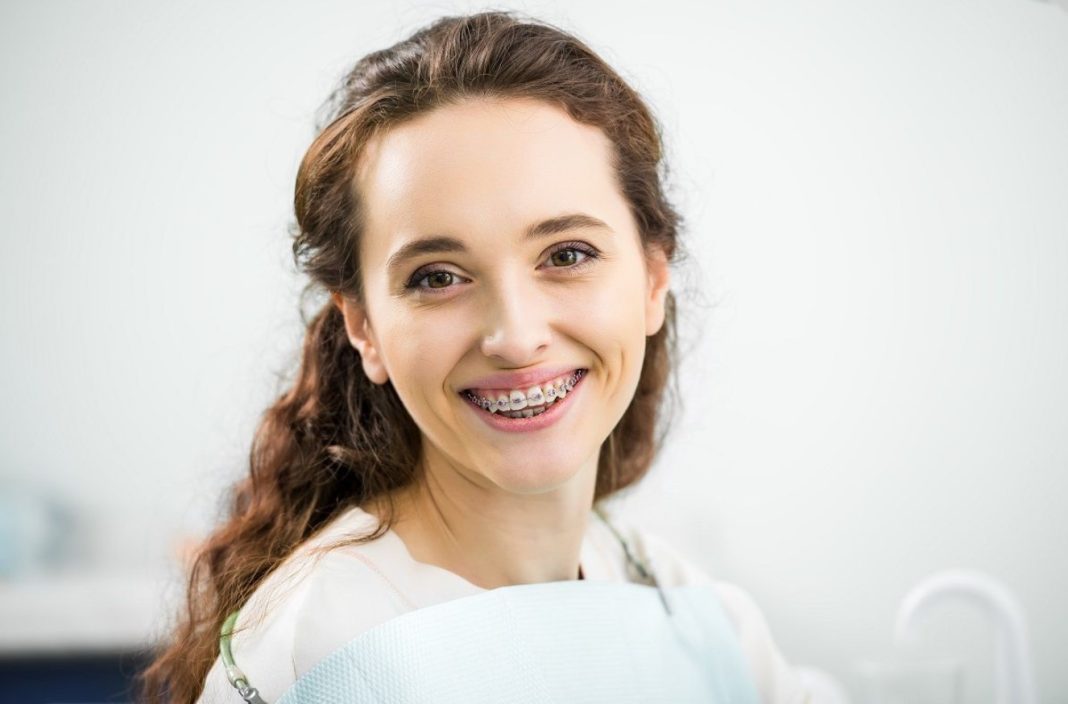

Orthodontic treatment is not limited to teenagers. Crowded or crooked teeth, gaps and certain bite problems can also be assessed and treated later in life when clinically appropriate. Healthdirect Australia confirms that orthodontists treat people of all ages, including adults.
For adults considering orthodontics Maroubra, chronological age provides limited information about suitability. The condition of the teeth and supporting tissues, the type of alignment problem, existing dental work and the movements required provide a more useful clinical picture.
Some people are addressing concerns that were never treated when they were younger. Others notice changes after previous orthodontic treatment or need tooth positions considered as part of broader dental care. These different starting points mean adult orthodontics requires individual planning rather than an age-based approach.
Orthodontic Treatment in Maroubra Can Address Different Adult Concerns
Seeking orthodontic treatment in Maroubra later in life may be related to tooth position, spacing or the way the upper and lower teeth meet.
Healthdirect Australia identifies crooked teeth, crowded teeth, gaps, missing teeth, and problems with the bite as reasons orthodontic treatment may be considered. An assessment can involve examination of the teeth, mouth, face and bite, with imaging or digital models used when clinically required.
Reasons for seeking an orthodontic assessment can include:
- Crowded or overlapping teeth
- Gaps between teeth
- Certain overbites, underbites, crossbites or open bites
- Teeth that have shifted following earlier orthodontic treatment
- Tooth positions that make particular areas difficult to clean
- Alignment that needs to be coordinated with other dental treatments
The visible problem does not always reveal the full extent of the treatment requirement. Mild crowding involving a few teeth presents a different clinical task from changing how the upper and lower teeth meet. Identifying the underlying relationship helps determine what type and extent of movement may be appropriate.
Teeth Can Move After Previous Orthodontic Treatment
Returning to orthodontic care later in life is sometimes prompted by teeth shifting after braces or aligners.
Once active treatment finishes, retainers help hold teeth in their corrected positions. Healthdirect explains that retainers are used after orthodontic treatment to help keep teeth in position and that teeth can move if retainers are not worn as advised.
Retention is necessary because completing active treatment does not permanently lock teeth into place. Someone treated as a teenager may therefore notice crowding or spacing again years later, particularly if retainer wear has stopped.
The dental situation may also be different from when the original treatment was completed. Restorations, missing teeth or changes in oral health can alter what is appropriate now.
Previous treatment is therefore a useful part of the clinical history rather than a ready-made plan for another course of orthodontics. Current conditions need to guide current treatment.
Oral Health Matters During Adult Orthodontics
Orthodontic treatment applies controlled forces to teeth, so they move progressively towards planned positions. Because tooth movement involves the structures that support the teeth, the condition of the mouth is part of treatment planning.
Cleaning requires particular attention once an orthodontic appliance is fitted. Healthdirect identifies tooth decay, discolouration and gum infection among potential problems associated with orthodontic appliances, particularly when oral hygiene is inadequate.
Fixed braces create additional surfaces around brackets and wires where plaque and food debris can collect. Removable aligners allow normal brushing when the trays are removed, although the teeth and aligners still require appropriate cleaning.
Tooth position can also affect access for cleaning. Overlapping teeth may create areas that are difficult to reach with a toothbrush or interdental cleaning. Correcting certain positions may make these areas easier to access. Daily plaque control and regular dental care remain necessary.
Orthodontics should therefore not be presented as a means of preventing dental disease. Its potential oral-hygiene benefit is more specific: changing certain tooth positions can improve access to areas that were previously difficult to clean.
How Orthodontics Maroubra Treatment Options Can Differ for Adults
Treatment may involve fixed braces, clear aligners or another orthodontic approach depending on the tooth and bite movements required.
Fixed braces use brackets and wires to apply controlled forces. Clear aligners use a sequence of removable trays, with each stage applying planned pressure to selected teeth. Healthdirect recognises both as orthodontic treatment options.
Choosing an appliance involves practical considerations as well as clinical suitability. Removable aligners require consistent wear according to the prescribed schedule. Fixed appliances require careful cleaning around brackets and wires. Both approaches involve appointments and ongoing care.
The most discreet appliance is not the only consideration. The movements required, cleaning demands, ability to follow appliance instructions and daily routine can all influence whether a clinically suitable option is practical for an individual patient.
No appliance can be described as universally faster, easier or more effective because treatment requirements and responses vary.
Existing Dental Work Can Change the Purpose of Treatment
Adults often have crowns, bridges, missing teeth or other restorations that need to be incorporated into an orthodontic plan.
In these cases, the question may extend beyond how to straighten the teeth. Tooth positions may need to be considered in relation to existing or planned dental care.
A bridge, for example, connects multiple teeth and needs to be accounted for when movement is planned in that area. Missing teeth may create another decision: depending on the individual case, a space might need to be maintained, reduced or managed as part of broader treatment.
Healthdirect explains that an orthodontic assessment may include an examination of the teeth, mouth, and face, together with X-rays or models, where required, to understand tooth and jaw positions.
This creates a useful distinction in later-life care. Orthodontic movement can sometimes be one component of a wider dental plan, so the intended final position of the teeth may matter as much as their appearance during treatment.
Treatment Requires an Ongoing Commitment
Considering orthodontics Maroubra also means accounting for the practical demands of treatment. Orthodontic tooth movement happens gradually, and treatment time depends on the problem being addressed, the movements required and the individual plan.
Healthdirect advises that braces are commonly worn for 1 to 3 years, though the duration varies. Clear-aligner treatment times also depend on the individual case.
During active treatment, appointments allow progress to be reviewed and appliances adjusted where required. Aligners need to be worn according to the prescribed schedule, while fixed braces require careful cleaning around their components.
Retention follows active treatment. Retainers help maintain the achieved tooth positions and must be used as directed by a professional.
Appointment schedules, appliance care, oral hygiene and retention can continue over months or years. The ability to follow these requirements is therefore relevant when deciding whether a particular treatment plan fits a person’s circumstances.
Conclusion
Interest in orthodontic treatment later in life can stem from crowding, spacing, previous tooth movement, certain bite problems or the need to coordinate tooth position with broader dental care.
When researching orthodontics Maroubra, chronological age alone says little about what treatment may be appropriate. Oral health, tooth-and-bite relationships, previous dental care, required movements, and the practical demands of treatment provide a more complete picture.
Adult orthodontics is an individual clinical process. Understanding the underlying problem, determining realistic treatment objectives and planning for both active tooth movement and long-term retention provide a sound basis for deciding whether treatment is appropriate later in life.



