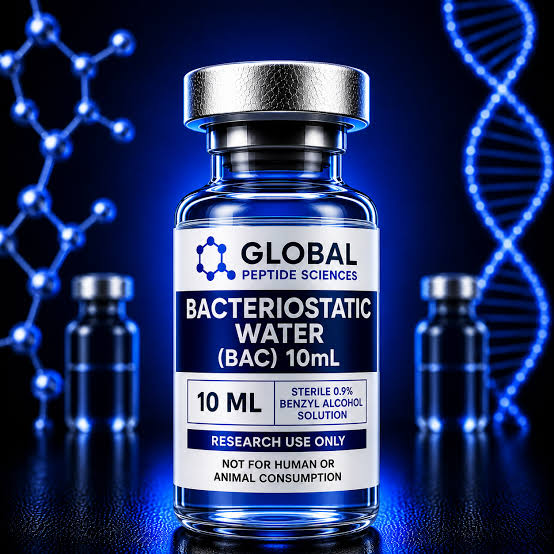

Interest in peptide science continues to encourage questions about molecular research, laboratory standards, and the information available about specialized compounds. People searching for buy research peptides Australia may be looking to understand peptide terminology, scientific applications, documentation requirements, and the regulatory considerations surrounding these materials.
Global Peptide Sciences provides a starting point for exploring peptide-related information and the importance of responsible scientific practices. Before evaluating any product, it is useful to understand its stated purpose, the evidence supporting its specifications, and the rules that may govern its supply or use. A careful approach helps distinguish reliable scientific information from unsupported commercial claims.
Understanding the Science Behind Research Peptides
Peptides are molecules made from amino acids connected by peptide bonds. They occur naturally in living organisms and participate in numerous biological processes. Scientists investigate different peptide structures to learn more about molecular interactions, biochemical pathways, and other questions relevant to their research fields. Their characteristics vary according to amino acid sequence, molecular structure, and other chemical properties.
The expression “research peptide” generally describes a context in which a compound is being discussed or supplied for scientific investigation. However, this label does not independently verify a product’s identity, quality, or regulatory status. Researchers need to consider the compound’s documented characteristics, the purpose of the proposed investigation, and any requirements that apply to the material. These distinctions are especially important when products are advertised online with broad or unsubstantiated claims.
Why Reliable Product Information Is Important
Accurate product information helps researchers understand what material is being described and what evidence is available to support its stated specifications. Depending on the compound and research setting, relevant documentation may include chemical identification, batch information, analytical results, storage conditions, and details about the manufacturer. Such records provide a basis for evaluating the information before a material is considered for scientific work.
Documentation should be assessed according to its relevance and reliability rather than its appearance alone. For example, an analytical report should clearly identify the material examined and explain the results it presents. A general certificate or marketing statement may not establish every aspect of product quality. When information is incomplete, researchers should identify the limitations rather than assume that missing details confirm compliance with appropriate standards.
Australian Regulations and Peptide Research
Australia has specific requirements governing therapeutic goods, including certain peptide products. The Therapeutic Goods Administration (TGA) oversees the regulation of therapeutic goods, while the Australian Register of Therapeutic Goods (ARTG) provides information about products included on the register. The requirements applicable to a particular peptide depend on factors such as its composition, intended purpose, presentation, and the circumstances in which it is imported or supplied.
Anyone researching buy research peptides Australia should understand that an online listing does not establish that a product can legally be imported, advertised, or supplied. Products represented as being for research may still fall within therapeutic goods regulations when their overall presentation or intended purpose meets the relevant criteria. A “research use only” disclaimer does not automatically remove legal obligations. Checking current official guidance is therefore essential before making decisions involving regulated materials.
Assessing Supplier Transparency and Documentation
Supplier transparency is an important part of evaluating scientific materials. Clear product descriptions, identifiable business details, consistent labeling, and accessible supporting records make it easier to understand the claims being made. Researchers should pay attention to whether information is specific enough to evaluate and whether the supplier can explain the limitations of the available documentation.
A professional-looking website should not be treated as proof of quality or regulatory compliance. Similarly, statements describing a compound as pure, verified, or laboratory-grade need appropriate supporting evidence. When comparing information about research peptides, it helps to separate independently documented characteristics from promotional language. This approach supports more objective evaluation and reduces the likelihood of relying on claims that cannot be substantiated.
Important Considerations When Reviewing Peptide Products
Evaluating peptide-related information involves several distinct questions. Researchers may need to establish the identity of a compound, understand the scope of available analytical findings, and determine whether the material meets the documented requirements of a particular investigation. Regulatory status is a separate consideration and should not be inferred from technical specifications or a supplier’s description.
The following points can help organise an initial information review:
- Confirm the compound’s stated identity and examine the supporting documentation.
- Review available analytical reports, including their scope and limitations.
- Check whether batch details and manufacturer information are clearly identified.
- Consider the stated storage requirements and relevant handling information.
- Consult official Australian sources about applicable importation and supply rules.
These checks support a structured review, but they do not independently establish that a material is suitable for every research application. Appropriate professional assessment and the standards relevant to the work remain important.
Research Quality and Scientific Integrity
Reliable scientific work depends on sound methods, appropriate materials, and accurate records. Researchers should establish clear objectives and select methods suited to the questions being investigated. Where material identity or other important characteristics remain uncertain, that uncertainty should be documented and considered when interpreting results.
Scientific integrity also means presenting findings honestly and acknowledging the limits of the evidence. Observations should not be overstated, and conclusions should be supported by the methods and results available. Maintaining traceable records can help research teams understand how decisions were made and identify factors that might affect reproducibility. These principles apply broadly across scientific disciplines, including work involving peptide chemistry and molecular biology.
Understanding the Concerns Associated With Unapproved Peptides
Products that have not undergone the relevant regulatory assessment may present uncertainty about their identity, composition, manufacturing quality, and labeling accuracy. Online descriptions alone cannot establish that a product contains the stated ingredients or meets the standards required for its proposed purpose. The significance of these uncertainties depends on the product and the intended application.
Particular caution is necessary when peptide products are promoted for injection, performance enhancement, or the treatment of medical conditions. A research label does not establish safety for human use, and product availability does not demonstrate therapeutic approval. Individuals considering a peptide for a health-related purpose should consult a qualified healthcare professional rather than rely on online sellers or informal recommendations. Current TGA information can help readers understand the regulatory concerns associated with unapproved therapeutic goods.
Responsible Approaches to Peptide Research in Australia
Responsible research requires more than selecting a compound based on a product description. The scientific objective, applicable procedures, quality requirements, and regulatory framework should be considered together. Research organisations should ensure that their activities are consistent with relevant laws, institutional policies, and professional standards before proceeding with work involving specialized materials.
It is equally important to distinguish scientific investigation from medical treatment. Materials described as research products should not be assumed to be suitable for self-administration or clinical use. Where a product’s classification or legal status is uncertain, guidance from the relevant authority or a qualified regulatory professional can help clarify the requirements. Individuals seeking medical care should use appropriate healthcare channels and discuss treatment options with a licensed practitioner.
Global Peptide Sciences and Informed Product Research
Global Peptide Sciences provides a reference point for readers interested in peptide-related terminology, product information, and the broader importance of research documentation. People searching for buy research peptides Australia can use this topic as an opportunity to examine how scientific evidence, transparent information, and regulatory responsibilities intersect.
Readers can explore Global Peptide Sciences alongside authoritative Australian resources when researching peptide-related subjects. Product claims should be considered in context, with attention to the evidence available and the limitations of any supporting documents. A balanced approach prioritises accurate information over promotional promises and recognises that product quality, scientific suitability, and regulatory status are separate matters requiring appropriate evaluation.
Conclusion
Research peptides are part of a broad scientific field that examines molecular structures, chemical characteristics, and biological interactions. Understanding the terminology is only the first step. Reliable documentation, transparent product information, sound research practices, and awareness of Australian regulations are all important when evaluating information about peptide-related materials.
For anyone exploring buy research peptides Australia, careful research should take priority over assumptions based on online availability or marketing language. Review the relevant documentation, consult current TGA guidance, and seek qualified advice when regulatory or medical questions arise. Global Peptide Sciences encourages an informed approach grounded in scientific responsibility, credible information, and compliance with applicable requirements.