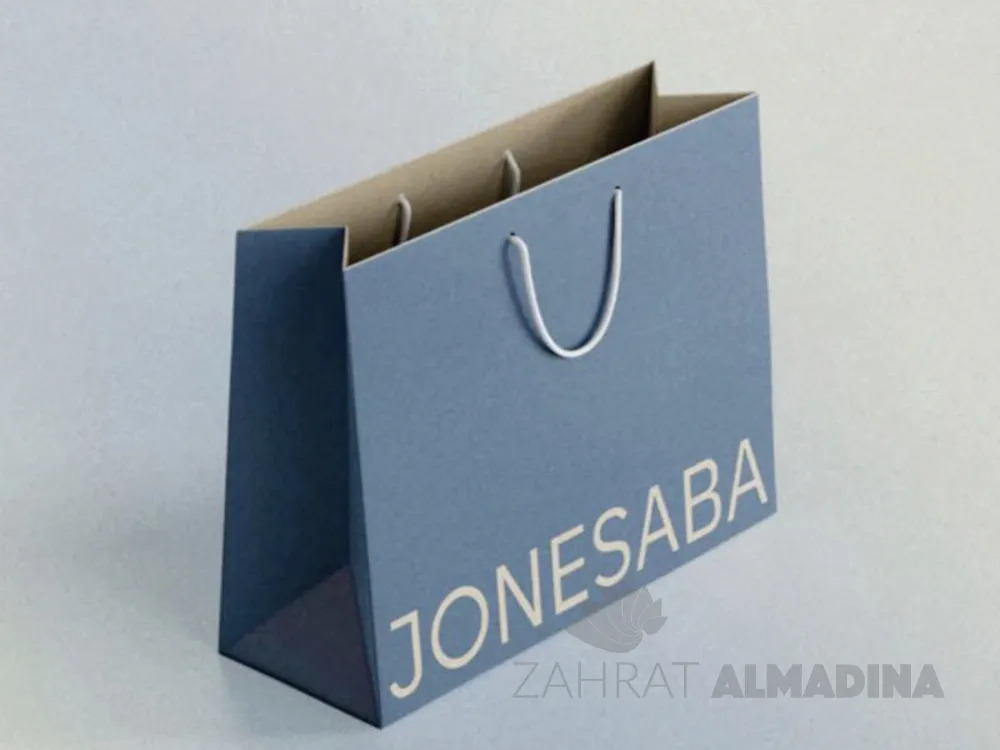

Paper bags are widely used by shops, cafés, bakeries, gift stores, and event organisers because they are easy to carry and can be designed for different products. With kraft paper bag printing, a plain paper bag can display a business name, product details, or a simple design while keeping the packaging practical. The best results come from choosing the right paper strength, bag size, handle style, and print layout. These details matter because a bag must protect its contents, remain comfortable to carry, and suit the product it holds.
1. Why Kraft Paper Bag Printing Matters for Packaging
Kraft paper is commonly used for packaging because it has a natural paper appearance and can be produced in different weights and finishes. Brown kraft paper has a simple, earthy look, while white kraft paper offers a lighter background for colourful artwork. Both can be used for retail packaging, food-related businesses, gifts, and everyday shopping, provided the paper and bag construction suit the intended purpose.
Printing adds useful information to the surface. A shop can display its name, a café can add a logo, and a gift store can use a seasonal design. The bag then serves two purposes: carrying the purchase and communicating information about the business.
Common Uses of Printed Kraft Bags
Printed kraft bags are useful across different industries.
- Retail shops: Carry clothing, accessories, stationery, and small household products.
- Bakeries: Package bread, pastries, and selected dry food items using suitable food-contact packaging.
- Cafés and restaurants: Pack takeaway orders when the bag’s construction suits the contents.
- Gift stores: Present small gifts and packaged products neatly.
- Exhibitions: Distribute brochures, catalogues, samples, and event materials.
- Special occasions: Package party favours, wedding gifts, and seasonal products.
For example, a small bakery may use a brown kraft bag with its name printed in one colour. The design can remain simple while helping customers recognise the business when they carry their purchases home.
2. Choose the Right Type of Kraft Paper
The paper used for a bag affects its strength, appearance, and suitability for different products. Choosing a material based only on colour or price can lead to problems if the finished bag cannot support the intended load.
Brown Kraft Paper
Brown kraft paper has a natural appearance that works well with simple typography, dark ink, and minimal graphics. It can suit bakeries, organic food shops, handmade products, and retail stores that prefer understated packaging.
The brown background may affect how printed colours appear. Light colours can look less vivid, so it is important to review a print sample before ordering a large quantity.
White Kraft Paper
White kraft paper offers a cleaner background for coloured logos, detailed artwork, and product information. It can suit cosmetics, boutiques, gift shops, and businesses that want a brighter packaging style.
However, white paper may show dirt and handling marks more clearly than brown paper. Storage and handling should be considered, especially when bags are prepared well before an event.
Select a Suitable Paper Weight
Paper weight affects how the bag feels and how well it holds its contents. Lightweight paper can work for small, light purchases, while heavier products may require stronger paper and reinforced construction.
Paper weight alone does not determine the final strength. The quality of the folds, glued seams, handles, and bottom panel also matters.
A Practical Example
A stationery shop selling greeting cards may need a lightweight bag. A shop selling glass jars or several boxed products needs packaging designed for a heavier load. Testing the bag with typical products can help determine whether the material and construction are suitable.
3. Design a Print Layout That Is Easy to Recognise
A printed bag should communicate its main message quickly. The business name or logo usually deserves the most attention, while supporting details should remain secondary. A design crowded with too many words, colours, and images can be harder to read and may look untidy when the bag folds during use.
Keep the Main Message Clear
Start by deciding what the bag needs to communicate. A retail bag may require only a business name and logo. A food packaging bag might need product information or handling instructions, depending on its purpose and the applicable requirements.
For example, a gift shop could print its name in the centre of the front panel with a small decorative pattern near the bottom. This gives the bag a recognisable appearance without using the entire surface.
Use Colours That Suit the Paper
Brown kraft paper generally works well with dark inks and simple designs. White kraft paper offers more flexibility for colourful artwork, although the final result depends on the printing method and ink.
Before approving the design, check the artwork at its actual size. Thin lines, tiny letters, and very detailed images may not reproduce as clearly as expected on textured paper.
Consider Both Sides of the Bag
The front panel can display the main identity, while the reverse can contain a short message or additional information. Side panels may be useful for a website address, social media details, or a short product note when such information is needed.
The layout should remain useful even when the bag is partly folded or held by its handles. Avoid placing essential text too close to the edges, seams, or bottom folds.
4. Select the Right Bag Size and Handle Style
The dimensions of a bag should match the products it will carry. A bag that is too small can damage packaging or make loading difficult, while an oversized bag may waste paper and allow items to move around.
Small Bags for Lightweight Products
Small kraft bags can suit jewellery boxes, cosmetics, accessories, stationery, and compact gifts. They are easy to store and can be practical for businesses selling small items at counters or events.
Medium Bags for General Retail
Medium-sized bags are often suitable for clothing, books, packaged goods, and gift boxes. They provide a balance between capacity and convenient handling.
Large Bags for Bulkier Purchases
Large bags can carry several products or larger packages, but the paper strength and handle construction must be appropriate. A larger bag is not automatically stronger simply because it has more space.
Choose Handles Based on How the Bag Will Be Used
Common options include twisted paper handles, flat paper handles, and handle-free designs. Twisted handles may suit many retail applications, while flat handles can provide a different feel and appearance. Handle-free bags may work for products that are carried by the base or placed inside another container.
For heavy products, check the attachment points and bottom construction. A bag should be tested with the expected contents before it is used for customers.
5. Match the Printing Method to the Design
Different printing methods can produce different results depending on the artwork, paper surface, quantity, and required finish. The most suitable option depends on whether the design is simple or detailed and how many bags are needed.
Flexographic Printing
Flexographic printing is commonly used for packaging and can be suitable for larger quantities with consistent artwork. It often works well for simple designs and limited-colour layouts, although the final result depends on the paper and production setup.
Digital Printing
Digital printing can be useful for shorter runs or designs that require more variation. It may be suitable when a business needs a limited quantity for a small event or a trial order. Availability and cost depend on the supplier and equipment.
Screen Printing
Screen printing can work for simple artwork and selected bag materials. It may be considered for small runs, but the result depends on the ink, paper surface, and production process.
Check a Sample Before Production
A sample allows the buyer to inspect colour, print position, folds, seams, and handles. It also helps reveal whether the artwork remains clear when the bag is filled and carried.
This step is especially important when ordering bags for a product launch, exhibition, or large retail campaign. Finding a problem before bulk production can prevent waste and delays.
6. Use Kraft Bags for Events and Business Gifts
Printed paper bags can be useful at conferences, staff events, product launches, and customer appreciation activities. They provide a convenient way to present several items together and help keep materials organised.
When planning corporate gifts in dubai, businesses may use kraft bags to hold notebooks, pens, small accessories, packaged treats, or other suitable items. The right size depends on the contents, and the design should fit the occasion without making the bag unnecessarily complicated.
Exhibition and Conference Packs
An exhibition organiser may need bags for catalogues, brochures, business cards, and small samples. A bag with enough width and depth can help visitors carry materials from different stands.
The print design should be easy to identify in a crowded venue. A clear event name and a simple graphic may be more effective than a layout filled with sponsor details in very small lettering.
Employee Welcome Packs
A paper bag can hold a notebook, stationery, welcome letter, and other lightweight items for new employees. Choosing a suitable size makes packing easier and helps prevent the contents from being crushed.
Customer Appreciation Gifts
Retailers can use printed bags to present selected products during holidays, anniversaries, or customer events. The bag should be strong enough for the items inside and easy to open without damaging the packaging.
A useful bag may also be kept for later use, especially when the design is simple and the handles are comfortable.
7. Consider Food Safety and Environmental Impact
Kraft paper is often associated with environmentally conscious packaging, but the full impact depends on how the bag is produced, used, and disposed of. Paper sourcing, manufacturing, printing, transport, and recycling all affect the overall picture.
Use Suitable Bags for Food Products
Not every paper bag is suitable for direct contact with food. For bakery items, takeaway products, or other edible goods, businesses should confirm that the bag and any coatings, inks, or liners meet the relevant food-contact requirements.
Grease, moisture, and heat can affect ordinary paper. A bag intended for dry pastries may not perform well with oily or wet food. Where necessary, use packaging specifically designed for the product and its storage conditions.
Avoid Broad Environmental Claims
Paper is recyclable in many situations, but coatings, laminations, food contamination, and local recycling rules can affect whether a particular bag is accepted. A bag should not automatically be described as environmentally harmless simply because it is made from paper.
Reusable packaging can also provide value when it is durable enough to be used again. The best choice depends on the product, the number of uses, and local disposal options.
8. Plan Orders and Check Quality Before Delivery
A clear order specification helps prevent misunderstandings between a buyer and a printing supplier. Before requesting a quotation, decide on the quantity, bag dimensions, paper type, handle style, print colours, artwork, and required delivery date.
Compare Quotations Fairly
The lowest unit price does not always represent the best value. Differences in paper weight, handle construction, printing coverage, and bag dimensions can explain why quotations vary.
Ask suppliers to quote against the same specifications so the options can be compared fairly. Confirm whether artwork preparation, sample production, packing, and delivery are included in the quoted price.
Inspect the Finished Bags
When the order arrives, check a selection of bags for:
- Correct size and paper colour.
- Accurate spelling and logo placement.
- Clear and consistent printing.
- Properly glued seams and bottom folds.
- Secure handles and clean finishing.
- Damage, stains, or visible defects.
For example, a shop preparing for a seasonal sale should inspect the bags before the campaign begins. If printing is misaligned or handles are weak, there may still be time to discuss a correction with the supplier.
Businesses comparing printing providers, including Zahrat Al Madina Printing, can apply the same checks to evaluate paper quality, print accuracy, and consistency between the approved sample and the finished order.
Conclusion
Kraft paper bags can provide practical packaging for retail products, food items, events, and business gifts when the material and construction suit their intended use. Paper weight, bag dimensions, handle strength, print quality, and storage all affect the final result. By planning the design carefully, testing a sample, and checking the finished order, businesses can choose packaging that carries products safely, presents information clearly, and meets their everyday requirements.