
Dudhwa National Park is one of the quietest tiger reserves in India. Located in the Terai belt of Uttar Pradesh near the Nepal border, it features deep sal forests, open grasslands and good possibilities of witnessing tigers, rhinos and barasingha without the crowds of better-known parks.
Where is the Dudhwa National Park situated?
Dudhwa National Park is located in Lakhimpur Kheri district of Uttar Pradesh. It is a part of Dudhwa Tiger Reserve together with Kishanpur and Katarniaghat wildlife sanctuaries.
The park has a core area with buffer of around 490 sq km. Its northern boundary meets the Indo-Nepal border and joins with the corridors of Bardia National Park.
Dudhwa National Park Best Time to Visit
The park is open from mid-November until mid-June. Winter (November to February) brings cold weather, great views and peak bird activity.
March – May Movement of tiger near water bodies is more but temperature is hotter. The park is closed completely during the monsoon, due to floods.
How to get to Dudhwa National Park
By Air: Nearest airport is Lucknow (LKO), 220-250 km distant. Drive 5-6 hours.
By Train: Dudhwa (DDW) station is 4 km from the Gate. More trains are available at Palia Kalan (10 km) and Mailani.
By Road: Delhi is around 430 km (8-10 hrs). The Lucknow and Bareilly routes are the most used. For the final leg, it is advisable to use a private taxi or drive yourself.
Dudhwa National Park Wildlife Safari – Zones and Timings
Jeep safaris are twice a day, morning (about 6:00 AM) and afternoon (approximately 2:00 PM). Core zones have the highest density of fauna.
Book in advance with the forest department or licensed lodges, especially at weekends. Serious wildlife observers can choose for full-day options.
Wildlife You Can See in Dudhwa
- Bengal Tiger
- One rhinoceros with one horn (reintroduced population)
- Swamp deer (barasingha) – one of the largest herds in the world
- Asian elephant
- Leopard
- Hog deer
- Sambar
- Chital
- 400+ bird species including migrating waterfowl
Grasslands and riverine regions increase the chances of spotting rhino and deer.
Entry Fees & Basic Rules
Indian nationals pay a little daily entry fee (approximately Rs 50-500 depending on category and vehicle). Foreign nationals are charged higher charges. Charges for vehicle and camera are additional.
Bring valid I.D. Please stay on marked trails and obey all instructions of guides.
Where to Stay Around Dudhwa National Park
Most visitors lodge in Palia Kalan or near the park entrance. Options vary from primitive forest rest cottages to deluxe eco-resorts.
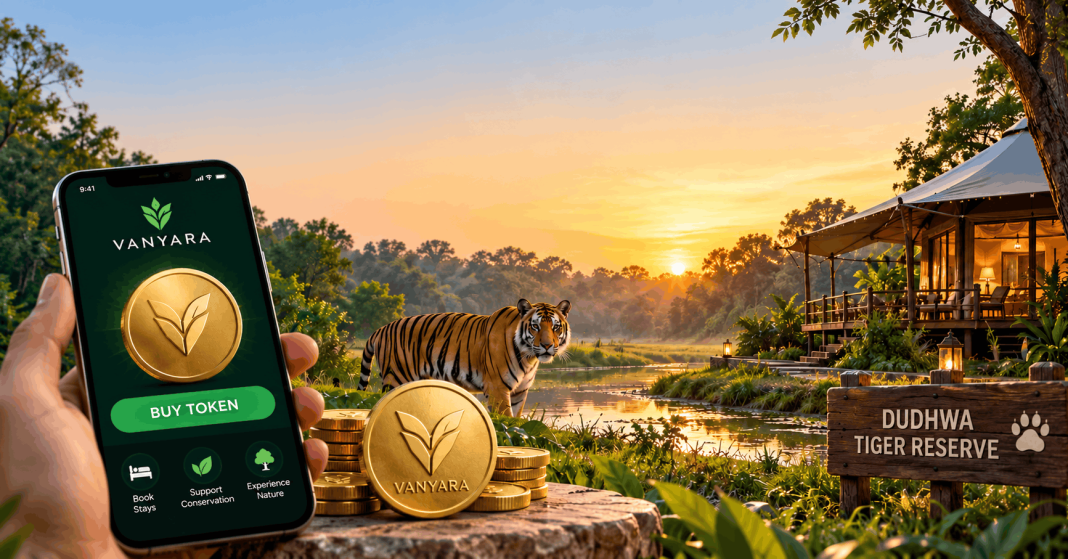
BRIKx’s Vanyara stands right at the edge of the park and bills itself as a low-impact, wellness-oriented stay among the sal trees and wildlife corridors. It is part of the utility-token ecosystem for access to resorts and membership advantages of BRIKx.
Practical Tips for Dudhwa Trip
- Book safaris early in high season.
- Bring binoculars, thick clothing for the winter mornings and bug spray.
- Plan for a minimum of 2–3 nights to allow for meaningful sightings.
- Combine with Kishanpur Wildlife Sanctuary if you have time.
Dudhwa National Park is for people who want a tranquil woodland experience rather than guarantee big-cat action. Plan around the open season, get your permits in advance and the Terai wilderness delivers.