In the rapidly evolving world of electrical technology, safety and reliability remain the top priorities in both residential and industrial environments. Whether it is a small home, a commercial establishment, or a large manufacturing plant, ensuring secure power distribution is essential to prevent electrical hazards and maintain uninterrupted operations. One of the most important components in achieving this safety is the use of electrical MCBs—devices specifically engineered to protect circuits from overloads and short circuits.
This guide offers a detailed understanding of how MCBs contribute to safe power distribution, their advantages, and how they compare to complementary devices like the MCCB switch that are used in higher-capacity systems.
What Are Electrical MCBs?
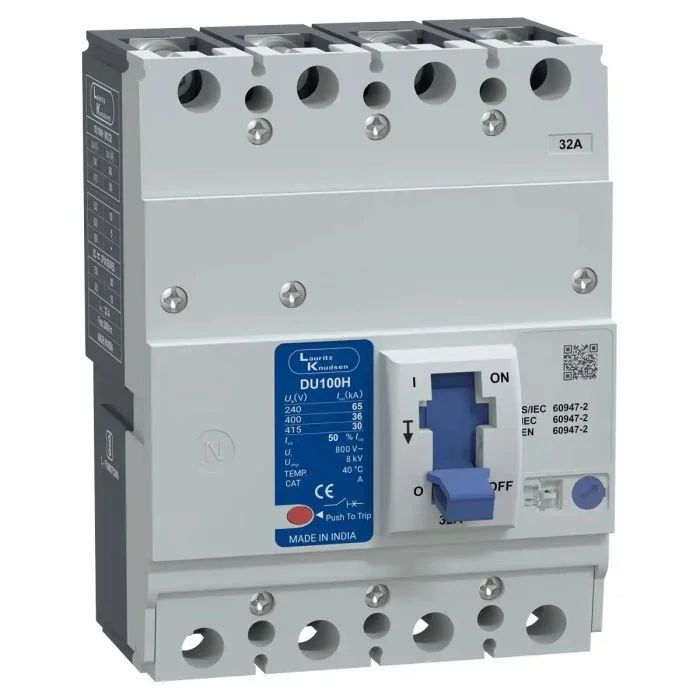
Electrical MCBs (Miniature Circuit Breakers) are automatic electrical switches designed to interrupt the flow of current when a fault is detected. They help protect wiring, appliances, and electrical systems from damage caused by excessive current, which may result from overloads or short circuits.
MCBs are used across homes, commercial buildings, and industrial setups due to their compact size, strong reliability, and ease of operation. Unlike fuses—which must be replaced after a fault—MCBs can be reset manually, making them more convenient and economical for long-term use.
How Electrical MCBs Work
At the core of every MCB is a mechanism that responds to abnormal current flow. Electrical MCBs function through two primary tripping mechanisms:
1. Thermal Tripping
When an overload occurs, the bimetallic strip inside the MCB heats up and bends. This mechanical movement triggers the breaker to trip, cutting off the power supply and preventing overheating or wire damage.
2. Magnetic Tripping
In the case of a short circuit, the current rises sharply and activates a magnetic coil that instantly trips the breaker. This rapid action protects appliances and wiring from severe damage caused by sudden current surges.
Together, these mechanisms ensure dependable protection and quick response to electrical faults, reducing the risk of fire and equipment failure.
Types of Electrical MCBs
Electrical MCBs are available in different categories to suit various electrical applications. The most common types include:
Type B MCBs
- Trip at 3–5 times the rated current
- Used in residential and light commercial installations
- Ideal for lighting circuits and general household appliances
Type C MCBs
- Trip at 5–10 times the rated current
- Suitable for commercial and industrial settings
- Used with devices like motors and transformers
Type D MCBs
- Trip at 10–20 times the rated current
- Used for heavy industrial machinery
- Designed for systems with very high inrush currents
Understanding these categories ensures the correct MCB is selected for the load requirements of the building or equipment.
Benefits of Using Electrical MCBs
1. High Level of Safety
Electrical MCBs protect circuits from overloads and short circuits, significantly reducing fire hazards and equipment damage.
2. Easy Operation and Resetting
After a fault, switching an MCB back on is simple and does not require replacing any components, unlike traditional fuses.
3. Long Lifespan
Designed for durability, MCBs can withstand numerous switching operations without compromising performance.
4. Compact and Space-Saving
Their small size makes them ideal for use in modern electrical panels where efficient space usage is crucial.
5. Reliable Fault Detection
MCBs are engineered for precision, ensuring quick and accurate fault detection for enhanced system protection.
These advantages make MCBs a trusted choice for both homes and large industrial applications.
MCBs vs MCCB Switch: Understanding the Difference
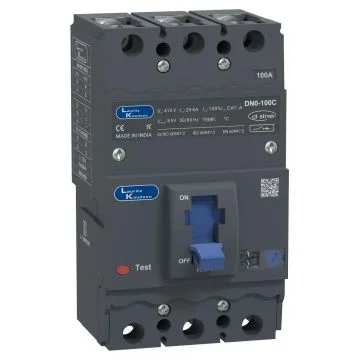
While electrical MCBs are suitable for low-current circuits, larger installations and heavy machinery require more powerful protection. This is where the MCCB switch (Moulded Case Circuit Breaker) comes into play.
Rated Current Capacity
- MCBs: Typically up to 100A
- MCCB switch: Can handle currents up to 2500A or more
Adjustability
- MCBs: Fixed tripping characteristics
- MCCB switch: Adjustable settings for overload and short circuit protection
Application
- MCBs: Homes, offices, small equipment
- MCCB switch: Industries, large commercial buildings, heavy machinery
Breaking Capacity
- MCBs: Lower breaking capacity, suitable for smaller circuits
- MCCB switch: Higher breaking capacity to handle large fault currents
While both devices serve the same core purpose—protecting electrical circuits—their roles differ based on system size, load capacity, and safety requirements. Understanding these differences ensures the right protection device is chosen for every application.
Key Applications of Electrical MCBs
1. Residential Installations
From lighting circuits to small appliances, MCBs are essential in every household electrical panel. They ensure safe electric flow and protect families from potential hazards caused by faulty wiring.
2. Commercial Buildings
Offices, malls, and educational institutions rely on electrical MCBs to safeguard lighting systems, HVAC units, and essential equipment.
3. Industrial Control Panels
Although large machinery uses MCCBs, smaller circuits and control systems in industries still rely heavily on MCB protection.
4. Smart Homes and Automation Systems
As smart technologies grow, MCBs help support automation devices by ensuring stable and secure circuit performance.
5. Renewable Energy Systems
Solar panels and battery storage systems use MCBs for array protection, inverter safety, and load control.
Selecting the Right MCB for Your System
When choosing an MCB, certain factors must be considered to ensure optimal performance and safety:
1. Load Type
Determine whether the connected load is resistive (like lighting), inductive (like motors), or a mixed load.
2. Rated Current and Voltage
Choose an MCB that matches the system’s current and voltage requirements.
3. Breaking Capacity
Ensure the MCB can safely interrupt the highest possible fault current.
4. Trip Curve (B, C, or D)
Select the appropriate curve based on the nature of the electrical load.
5. Environmental Conditions
Temperature, moisture, and surroundings play a role in choosing the right protection device.
6. Brand and Quality Certification
Reliable brands ensure conformity with safety standards, durability, and high-precision performance.
Selecting the right MCB enhances electrical safety, reduces downtime, and ensures long-term reliability of connected devices.
Importance of Proper Installation and Maintenance
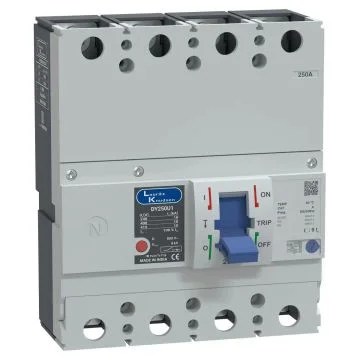
Even high-quality electrical MCBs require proper installation and routine checks to deliver optimal performance.
Installation Tips
- Use certified electricians
- Ensure tight and secure wiring connections
- Follow manufacturer guidelines
- Avoid overloading any single circuit
Maintenance Tips
- Inspect MCBs periodically for heat marks or loose connections
- Test functionality regularly
- Replace any faulty or damaged units immediately
- Keep electrical panels clean and dust-free
Routine maintenance ensures uninterrupted safety and reduces the risk of system failures.
Conclusion
Electrical MCBs are an essential part of safe power distribution in modern homes, commercial spaces, and industrial facilities. Their precise fault detection, ease of use, and long service life make them indispensable for any electrical setup. When paired appropriately with devices like the MCCB switch, they create a robust safety and protection framework capable of handling diverse electrical loads.For reliable, high-quality electrical protection solutions, Lauritz Knudsen Electrical and Automation continues to be a trusted name, offering advanced products and expertise to support safe and efficient power distribution across all sectors.