

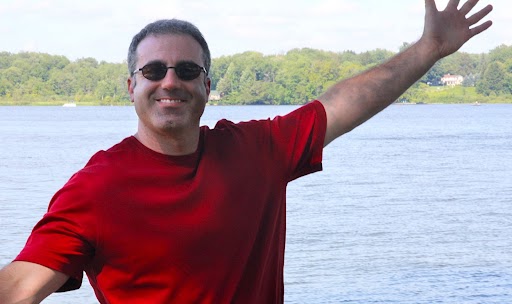
The modern wellness industry has increasingly shifted toward long-term behavioral health, emotional wellbeing, and sustainable nutrition practices rather than temporary transformation trends. Within this evolving landscape, Dan DeFigio has established a career centered on fitness education, nutrition counseling, and helping individuals better understand the relationship between food, behavior, and overall health. Over several decades, his work has become more mainstream, with discussions surrounding sugar addiction, emotional eating, and practical wellness strategies designed for long-term lifestyle improvement rather than short-term dieting cycles.
As conversations surrounding nutrition continue to evolve, wellness professionals are increasingly expected to address not only physical fitness but also the psychological and emotional factors that influence eating behavior. Public awareness surrounding processed foods, emotional dependency on sugar, and emotional eating habits has grown substantially over the past two decades. Within this broader cultural shift, DeFigio’s educational work, books, coaching programs, and public media appearances reflect a growing demand for wellness approaches grounded in realistic habit formation and behavioral understanding, rather than restrictive or unsustainable diet systems.
Sugar Addiction and Emotional Eating
The discussion surrounding sugar addiction has become increasingly prominent within the health and nutrition industry. While earlier nutritional conversations often focused primarily on calories and weight management, more recent approaches examine how processed foods and excessive sugar consumption can influence cravings, emotional regulation, and repeated behavioral patterns. This broader understanding has contributed to the emergence of wellness professionals who focus on helping individuals recognize and manage unhealthy relationships with food.
Dan DeFigio’s work in this area has largely centered on helping people identify emotional eating triggers and develop sustainable nutritional behaviors. Through platforms such as BeatingSugarAddiction.com and his published wellness materials, he has promoted educational strategies aimed at helping individuals better understand the psychological side of nutrition. His work reflects a broader movement within modern health coaching where sustainable behavioral change is increasingly prioritized over aggressive dieting methods or rapid transformation programs.
This perspective aligns with wider changes across the wellness sector, where experts increasingly recognize that food-related habits are often connected to stress, emotional coping mechanisms, and environmental influences. Modern nutrition counseling now extends far beyond meal plans alone, often incorporating discussions surrounding mindfulness, accountability, emotional awareness, and consistency. As rates of obesity, diabetes, and health concerns continue to rise globally, these broader wellness conversations have become increasingly relevant within both public health and private coaching environments.
Fitness and Nutrition Education
Since founding Basics and Beyond fitness & nutrition in Nashville in 1993, Dan DeFigio has spent much of his professional career working directly with clients across fitness training, nutrition counseling, and post-injury exercise support. Over time, the wellness industry itself has undergone major transformation, evolving from a culture focusing on appearance into a more holistic concept that includes longevity, sustainable mental health, and overall quality of life.
Some professionals within the industry who have remained active across multiple decades have adapted by expanding their expertise beyond traditional fitness instruction. DeFigio’s certifications and affiliations demonstrate the increasingly multidisciplinary expectations placed upon modern wellness professionals. Areas such as sports nutrition, rehabilitation support, health coaching, and behavioral wellness now frequently intersect within contemporary fitness education models. Consumers today often seek guidance from professionals capable of connecting physical fitness with broader lifestyle habits and emotional wellbeing.
The expansion of wellness education into books, workshops, online platforms, and coaching communities has also reshaped how health professionals interact with audiences. Digital wellness ecosystems now allow experts to build ongoing educational relationships with individuals seeking support outside traditional gym environments. This shift has created opportunities for wellness educators to focus more heavily on accessibility, practical implementation, and long-term consistency, rather than isolated short-term programs.
Media and Public Health Communication
Media exposure has become a major component of modern wellness culture. Television appearances, podcasts, online interviews, and digital publications increasingly shape how audiences engage with health information and nutritional advice. As a result, wellness professionals are often expected not only to coach clients directly, but also to communicate complex health concepts in ways that are understandable and relatable to broader audiences.
Throughout his career, Dan DeFigio has appeared across various television programs, podcasts, radio shows, and wellness publications discussing topics related to sugar addiction, fitness, emotional eating, and nutritional health. His appearances on platforms such as CNN’s Fit Nation, The Dr. Phil Show, and a multitude of health podcasts and radio shows reflect the broader role media now plays in public wellness education. These appearances also demonstrate how modern health professionals increasingly operate across educational, digital, and entertainment media environments simultaneously.
The rise of digital wellness media has also created significant challenges with misinformation and trendy health advice. Consumers today are exposed to a constant stream of competing dietary philosophies, viral fitness trends, and highly commercialized wellness products. In response, knowledgeable professionals emphasize evidence-based guidance, realistic expectations, and gradual behavioral improvement rather than promising immediate or dramatic results. This growing focus on practical sustainability reflects wider cultural changes in how people approach long term health management.
Increasingly, audiences are looking for wellness guidance that integrates naturally into daily life rather than programs that require a complete lifestyle disruption. This shift has contributed to the growing popularity of behavior-focused nutrition coaching, mindfulness wellness strategies, and educational content centered on consistency and balance. Within this environment, professionals who emphasize practical habit formation and sustainability play an important role in shaping public conversations around health and nutrition.
Holistic Wellness
Modern wellness conversations increasingly extend beyond physical exercise and dietary planning alone. Many health professionals now recognize the relationship between emotional wellbeing, self-awareness, mental health, and overall quality of life. This broader understanding has encouraged wellness educators to engage with community initiatives, environmental education, spiritual concepts, and holistic lifestyle approaches alongside traditional fitness coaching.
Dan DeFigio’s involvement with organizations such as the Tennessee Naturalist Program and Owl’s Hill Nature Sanctuary reflects this wider perspective surrounding health and environmental connection. Public interest in outdoor wellness, mindfulness, and nature-based practices has continued to grow as researchers increasingly uncover the mental and physical benefits associated with environmental engagement and outdoor activity.
As the wellness industry continues to evolve, sustainability and behavioral understanding are likely to remain central themes within public health discussions. Increasingly, wellness professionals are expected to address not only exercise and nutrition but also the emotional and environmental factors influencing personal health decisions. Within this broader cultural shift, Dan DeFigio’s career reflects the growing importance of practical wellness education focused on sustainable lifestyle improvement, emotional awareness, and lifelong behaviors, rather than temporary transformation trends alone.


