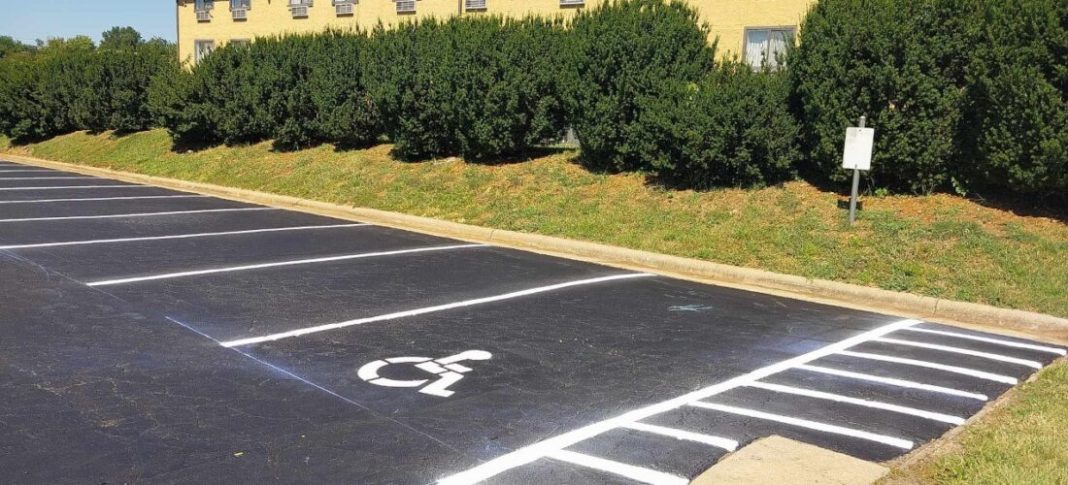

Parking lots are one of the few places where drivers, pedestrians, delivery vehicles, and sometimes cyclists all share the same tight space. When the layout is clear, people move smoothly and predictably. When it is not, you get hesitation, sudden stops, near misses, and the kind of low-speed collisions that still cause injuries and expensive claims.
That is why parking lot striping is more than a cosmetic upgrade. It is a practical safety system. The lines, symbols, arrows, and crosswalks act like a simple language that tells people where to go, where to stop, and where not to stand. Done well, striping improves flow, reduces confusion, and makes a property feel more organized and professional.
This article explains how striping affects safety, how to choose materials that last, how design decisions influence usability, and what maintenance habits keep markings visible over time.
Why Parking Lot Striping Matters
Visual Cues Keep Traffic Predictable
Most drivers do not consciously think about striping, but they rely on it. A clear stall line tells someone exactly where to park. A stop bar tells them where to pause so they can see cross traffic. A directional arrow signals right-of-way patterns. A crosswalk sets an expectation that people may step into that zone.
Without those cues, every driver makes their own interpretation of the space. Some will cut corners. Some will create unofficial lanes. Some will park too far from the curb or drift into driving aisles. That lack of consistency is where accidents and conflicts start.
Striping also helps maximize usable space. When stalls and aisles are properly defined, vehicles fit where they are supposed to fit. That means fewer bottlenecks, fewer blocked sightlines, and less frustration, especially in busy lots.
Poor Striping Creates Real Safety Hazards
Faded or confusing markings are not just inconvenient. They can be dangerous.
When lines disappear, drivers may park crooked or double park, which narrows travel lanes and increases the risk of side-swipes. When traffic flow arrows are unclear, vehicles may enter aisles the wrong way, creating head-on conflict in a space that is already tight. When crosswalks are weak or missing, pedestrians often choose the shortest path across the lot, even if drivers are not expecting them there.
Poor striping can also increase liability. If a lot design encourages unsafe movement, or if markings are so faded they are effectively nonexistent, property owners can face tougher questions after an incident. Keeping striping clear is a basic, visible step toward showing that safety is taken seriously.
Choosing Materials That Hold Up
Comparing Paint and Thermoplastic Options
The material you choose for parking lot striping should match how the lot is used and what it is exposed to.
Water-based paints are common because they are easier to apply and typically more budget-friendly. They can work well in lower-traffic areas or lots that will be restriped more frequently. The tradeoff is that they often wear faster when exposed to heavy vehicle traffic, heat, and frequent turning.
Solvent-based paints can offer stronger durability in tougher conditions. They often resist wear better than basic water-based options, although drying time and environmental considerations may be part of the decision.
Thermoplastic markings are more of a long-term investment. They are applied hot and bond tightly to the surface, which can make them last longer under high traffic. They cost more upfront, but they can reduce how often the lot needs to be restriped, which matters for busy properties that cannot afford frequent closures or disruption.
The best choice depends on traffic volume, turning patterns, climate exposure, and how important long-life performance is compared to upfront cost.
Reflectivity and Night Visibility
A lot can look fine during the day and become risky after dark if markings are not visible. Reflective beads added to paint or reflective striping materials can improve visibility under headlights, which helps drivers follow lanes and see crosswalks more clearly at night.
This matters even more in lots with limited lighting or areas with shadows from buildings and trees. Better visibility reduces hesitation and late braking, which are common causes of low-speed incidents in parking areas.
Some newer materials also improve visibility through photoluminescent effects, but the biggest practical improvements for most properties still come from strong contrast, clean striping edges, and reflective enhancements where needed.
Designing Striping for Function and Flow
Layout Choices That Improve Efficiency
Good striping starts with a layout that matches how the space is used. A lot serving a retail store has different needs than a medical clinic, an industrial facility, or an office building with consistent daily parking patterns.
Angled parking is often easier to enter and exit, especially for drivers who struggle with tight maneuvering. It can also improve one-way traffic flow when designed correctly. Straight, 90-degree parking can maximize space in certain configurations, but it can create more backing conflicts if aisles are tight.
Beyond parking stalls, the layout should account for loading zones, fire lanes, cart returns, pickup areas, and pedestrian movement. When these zones are clearly marked, they reduce improvised behavior, such as delivery vehicles blocking lanes or customers parking in unsafe spots because they cannot tell what the space is meant for.
The Role of Color in Navigation and Mood
Color choices in parking lot striping affect more than visibility. They can also influence how people interpret the space.
Bright white and yellow are classic because they stand out clearly against asphalt. Blue is commonly used for accessible parking markings and related access aisles. Other colors can be used to define zones, such as designated pickup areas or pedestrian paths, as long as the scheme is consistent and easy to understand.
Color also affects perception. A well-marked lot with crisp contrast feels organized and safer. A faded, inconsistent lot feels neglected, even if the business itself is high quality. This is one of the reasons striping affects customer confidence more than people realize.
Balancing Aesthetics With Safety
A good-looking lot is not just about clean lines. It is about readability.
The best designs prioritize clear sightlines, intuitive driving paths, and pedestrian safety. Landscaping elements can improve aesthetics, but they should not block visibility at intersections or crosswalk approaches. Decorative striping can work, but it should never compete with directional markings or confuse drivers about right-of-way.
When design choices make the lot easier to understand, safety and aesthetics improve together.
Maintenance Strategies That Keep Striping Effective
Why Regular Inspections Matter
Striping does not fail all at once. It fades gradually, often in the highest traffic areas first. Routine inspections help catch early wear, especially at stop bars, turn areas, crosswalks, and entrances.
Inspections should also look at the pavement itself. Cracks, potholes, and surface degradation can cause striping to peel or wear unevenly. If the pavement needs repair or sealing, that work often needs to happen before new striping is applied, or the fresh markings may fail sooner than expected.
Keeping a simple log of inspections and touch-ups helps property managers plan ahead and budget more predictably.
Knowing When It’s Time to Repaint
The most obvious sign is fading, when lines become dull and harder to see from a distance. Another sign is chipping or peeling, which usually indicates surface issues or age. If drivers regularly park outside the lines or use the lot in inconsistent ways, it may be a sign that the markings are no longer clear enough to guide behavior.
Repainting schedules vary. High-traffic lots often need attention more frequently than smaller or lower-use properties. Rather than waiting until markings are nearly gone, many properties benefit from restriping while lines are still visible but clearly worn. That timing reduces the period where the lot becomes confusing or risky.
Conclusion: Striping Is a Safety System You Can See
Parking lots are high-interaction spaces, and small design choices can prevent a surprising number of issues. Clear parking lot striping helps drivers move predictably, helps pedestrians cross safely, and helps businesses present a space that feels organized and professional.
When materials match the environment, layouts support natural flow, and maintenance stays consistent, striping becomes one of the simplest ways to improve safety and reduce long-term headaches. It is not just paint on pavement. It is guidance, structure, and risk reduction that people feel the moment they enter the lot.