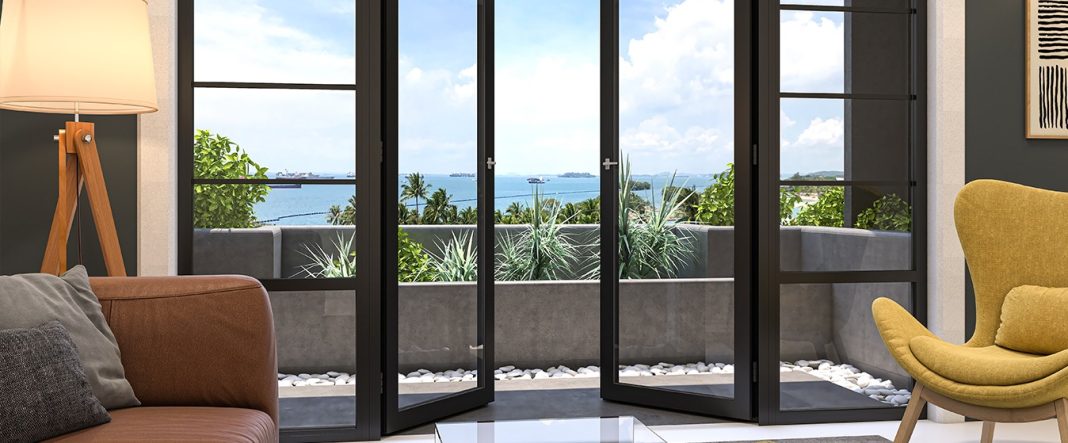

Electricity costs in the housing industry continue to rise, especially in regions with high cooling demand. Heat entering or escaping through doors directly affects indoor temperature and energy use. Poor sealing increases indoor heat and forces cooling systems to work harder, which raises energy consumption. Aluminium doors offer a reliable solution by improving insulation and reducing air leakage. Understanding how door performance affects energy use helps explain how better design choices can reduce electricity bills in modern homes.
How Doors Influence Indoor Temperature and Energy Use
Doors play an important role in controlling indoor temperature and overall energy use in a home. Poor sealing or low-quality door systems can lead to energy loss and higher electricity consumption.
- Heat Gain: Heat enters through gaps in poorly sealed doors, increasing indoor temperature and discomfort.
- Air Leakage: Warm air enters, and cool air escapes, making it harder to maintain a stable indoor climate.
- Cooling Load: Air conditioners and cooling systems run longer to maintain comfort levels.
- Energy Loss: Continuous leakage of conditioned air results in higher energy consumption and increased electricity bills.
- Outlook: Over time, efficient door systems help maintain better temperature control, reduce energy waste, and improve overall home comfort and efficiency.
How Aluminium as a Material Supports Energy Efficiency
Aluminium provides strong structural stability, which helps maintain tight sealing over time. Aluminium does not expand, shrink, or bend easily under temperature changes, which prevents gaps from forming around the frame and improves insulation performance.
A rigid aluminium frame supports sealing systems and ensures consistent performance. Gaskets remain effective under daily use and environmental stress. Similar benefits are visible in Aluminium Windows, where stable framing supports insulation and consistent indoor conditions.
Importance of Air Tightness in Reducing Electricity Consumption
Air tightness in doors and windows plays an important role in maintaining indoor comfort and reducing electricity usage by limiting unwanted air exchange between indoor and outdoor spaces.
- Air Seal: Sealing systems block outside air entry and help maintain controlled indoor conditions.
- Temp Stability: Indoor temperatures remain stable for longer periods, reducing fluctuations.
- Cooling Load: Cooling systems run less frequently, improving energy efficiency.
- Moisture Control: Reduced air leakage helps limit dust and moisture entering the home.
Strong air tightness improves overall energy performance, supports efficient cooling, and helps reduce electricity consumption, especially during hot weather conditions.
Must Read: How Aluminium Door Design Enhances Property Value in Modern Housing
Precision Manufacturing and Its Impact on Energy Control
Manufacturers produce precision-engineered doors with accurate measurements, which improves installation quality. Factory-controlled production reduces variation and ensures each component fits correctly without misalignment. A proper fit reduces gaps between the frame and the panel, thereby strengthening insulation. Installers achieve better alignment, allowing sealing systems to perform effectively. This accuracy supports consistent energy performance and prevents efficiency loss over time.
Role of Door Design in Managing Heat and Light
Door design directly affects heat control and natural lighting. Large glass panels allow daylight to enter indoor spaces, reducing the need for artificial lighting and improving visibility during daytime hours.
Manufacturers design glass thickness and sealing to limit heat transfer while maintaining clarity. A balanced design allows sufficient light without increasing indoor temperature, reducing reliance on cooling systems and supporting energy efficiency.
Performance in Different Weather Conditions
Doors must perform reliably under varying weather conditions. High temperatures, wind pressure, and heavy rainfall can affect performance when structural stability is compromised, leading to gaps, air leakage, and inconsistent indoor temperature control. Aluminium Doors undergo testing for air tightness, water resistance, and wind load performance. Strong structural design maintains sealing and alignment under stress, preventing unwanted heat exchange and supporting efficient cooling across varying environmental conditions.
Long-Term Impact on Electricity Bills
Energy-efficient doors help reduce electricity usage over time by improving insulation, reducing heat transfer, and maintaining stable indoor temperatures in residential spaces.
- Cooling Load: Reduced heat transfer lowers the burden on cooling systems, helping them operate more efficiently.
- Cost Savings: Lower energy consumption directly contributes to reduced monthly electricity expenses.
- Stable Use: Consistent thermal performance ensures fewer adjustments in cooling settings throughout the day.
- Long Life: Durable materials support long-term performance without loss of efficiency.
Overall, energy-efficient doors support better insulation, reduce power consumption, and help maintain comfortable indoor conditions while lowering long-term energy costs.
Conclusion
Energy efficiency in the housing industry depends on how well building elements control heat and air movement. Doors play a key role in maintaining indoor comfort and reducing energy loss. Aluminium doors provide strength, stability, and reliable sealing, which supports consistent performance across different conditions. By reducing heat transfer and limiting the workload on cooling systems, aluminium doors help lower electricity consumption. This makes aluminium doors a practical and long-term solution for improving energy efficiency in modern homes.