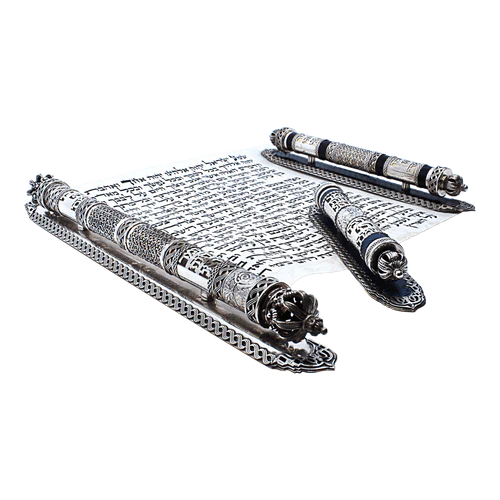

The mezuzah is one of the most recognizable and enduring symbols of Jewish life. Rooted in the Torah commandment found in the Book of Deuteronomy, Jewish tradition instructs that sacred words be written and affixed to the doorposts of the home. Over centuries, this mitzvah has been fulfilled in communities around the world, with families carefully placing a handwritten parchment scroll inside a protective case.
Today, the sterling silver mezuzah case stands out as a meaningful expression of both devotion and design. It reflects continuity with Jewish law while embracing refined craftsmanship and contemporary aesthetics. This article provides an in-depth, research-based guide to the religious foundations, material qualities, artistic trends, and practical considerations involved in selecting a sterling silver mezuzah case.
The Religious and Historical Significance of the Mezuzah
Biblical Origins and Halachic Foundations
The mitzvah of mezuzah originates in the Torah, specifically Deuteronomy 6:9 and 11:20, where the commandment instructs: “And you shall write them upon the doorposts of your house and upon your gates.” Rabbinic interpretation in the Talmud elaborates on the requirements, and later legal authorities such as Maimonides codified the laws in the Mishneh Torah.
The mezuzah itself consists of a kosher parchment scroll known as a klaf. It is handwritten by a trained scribe and contains specific passages from the Shema prayer. The case serves to protect this parchment from environmental damage while visibly marking the home as one guided by Jewish values.
It is important to note that Jewish law focuses primarily on the validity of the scroll, not the material of the case. However, selecting a dignified and durable enclosure reflects the principle of hiddur mitzvah, beautifying a commandment through quality and care.
Symbolism in Jewish Identity and Home Protection
The mezuzah is traditionally placed on the right doorpost as one enters the home. Many cases feature the Hebrew letter Shin on the exterior, representing one of the divine names. For Jewish families worldwide, the mezuzah signifies both spiritual protection and identity.
Educational resources such as Chabad.org and My Jewish Learning provide detailed explanations of these practices and their meaning. Their scholarship reinforces the idea that the mezuzah is not decorative alone but deeply rooted in halachic tradition.
Why Choose a Sterling Silver Mezuzah Case
Material Excellence and Durability
Sterling silver is composed of 92.5 percent pure silver, combined with a small percentage of alloy for strength. This composition ensures durability while preserving the luminous quality of silver.
A sterling silver mezuzah case offers several advantages:
- Long-term resilience when properly maintained
- Resistance to cracking compared to wood or ceramic
- Heirloom potential across generations
- Timeless aesthetic appeal
Unlike lower-quality metals that may corrode or discolor quickly, genuine sterling silver develops a natural patina over time. Many families value this aging process as a visual representation of continuity.
Spiritual and Aesthetic Significance
Silver has long been associated with sacred objects in Jewish tradition. From Kiddush cups to menorahs, silver craftsmanship reflects both reverence and artistic heritage.
Choosing a sterling silver mezuzah case aligns with this historical precedent. It honors the mitzvah while elevating the entrance of the home through refined design. For homeowners seeking examples of contemporary interpretations, curated collections of modern designs can be explored through resources such as this guide to selecting a sterling silver mezuzah case.
Contemporary Design Trends in Sterling Silver Mezuzah Cases
Minimalist and Modern Styles
Contemporary Jewish homes often incorporate clean architectural lines and understated décor. Modern sterling silver mezuzah cases reflect these trends through:
- Brushed or matte finishes
- Geometric shapes
- Slim, streamlined profiles
These designs integrate seamlessly into urban apartments and newly constructed homes while maintaining halachic integrity.
Artistic and Handcrafted Approaches
Alongside minimalist styles, many silversmiths continue centuries-old artistic techniques. Hand engraving, filigree detailing, and symbolic motifs such as the Tree of Life or Jerusalem skyline remain popular.
Israeli and European silversmith traditions strongly influence contemporary Judaica. Workshops in cities such as Jerusalem have preserved metalworking methods passed down for generations. These artisans combine religious literacy with design expertise, ensuring both authenticity and aesthetic excellence.
Blending Tradition with Innovation
A defining feature of the modern sterling silver mezuzah case is its ability to balance sacred obligation with evolving design. Traditional elements like the Hebrew letter Shin may appear in abstract or architectural forms. This creative reinterpretation allows the mezuzah to remain relevant in diverse cultural contexts while upholding Jewish law.
Halachic Considerations When Selecting a Sterling Silver Mezuzah Case
Size and Compatibility with a Kosher Scroll
Before purchasing a mezuzah case, it is essential to confirm that it properly fits a kosher parchment scroll written by a certified scribe. Scrolls come in varying sizes, commonly ranging from 7 to 15 centimeters.
The case must securely enclose the parchment and protect it from moisture. Jewish law emphasizes preserving the integrity of the handwritten text. Therefore, quality sealing and appropriate materials are practical considerations alongside design.
Proper Placement Guidelines
Halachic authorities instruct that the mezuzah be affixed on the right side of the doorway as one enters. Ashkenazic custom typically positions the mezuzah at a slight angle, while Sephardic custom places it vertically.
Homeowners seeking clarity on these details can consult rabbinic authorities or educational platforms such as Chabad.org. Adhering to placement guidelines ensures that the mitzvah is fulfilled correctly.
Craftsmanship and Quality Indicators
Understanding Silver Hallmarks
Authentic sterling silver is typically stamped with a 925 hallmark, indicating 92.5 percent silver content. When evaluating a sterling silver mezuzah case, confirming this marking helps ensure material authenticity.
Consumers should also examine:
- Precision in detailing
- Smooth finishing without rough edges
- Secure closure mechanisms
- Balanced weight and proportion
These indicators distinguish high-quality craftsmanship from mass-produced alternatives.
Handmade Versus Machine Produced Designs
Handcrafted mezuzah cases often display subtle variations that reflect artisan involvement. While machine production can offer uniformity, handcrafted pieces may hold greater artistic and sentimental value.
Jewish ritual objects historically benefited from artisan dedication. Supporting skilled silversmiths helps preserve this tradition.
Caring for a Sterling Silver Mezuzah Case
Preventing Tarnish
Silver naturally reacts with sulfur compounds in the air, leading to tarnish. Routine care involves:
- Gently polishing with a dedicated silver cloth
- Avoiding abrasive chemicals
- Storing unused pieces in anti-tarnish fabric
For exterior placement, selecting a design with protective sealing is particularly important in humid climates.
Long-Term Maintenance
Beyond the case itself, Jewish law recommends periodic inspection of the mezuzah scroll. Many authorities suggest checking the parchment twice every seven years to ensure that the handwritten text remains intact.
Maintaining both the case and the scroll safeguards the mitzvah for years to come.
Sterling Silver Mezuzah Case as a Meaningful Gift
A sterling silver mezuzah case is frequently given for weddings, housewarmings, and milestone celebrations. Silver symbolizes longevity and value, making it an appropriate gift for new beginnings.
Unlike purely decorative objects, the mezuzah carries enduring spiritual significance. Gifting one reflects both thoughtfulness and shared heritage.
Frequently Asked Questions
Is a sterling silver mezuzah case required for a kosher mezuzah?
No. Jewish law requires the scroll to be kosher. The case may be made of various materials, but using sterling silver enhances durability and aesthetic quality.
Can a sterling silver mezuzah case be placed outdoors?
Yes, provided it is properly sealed and designed to withstand environmental exposure. In areas with extreme weather, additional protective measures may be necessary.
How do I confirm authenticity?
Look for the 925 hallmark indicating sterling silver content. Purchasing from reputable Judaica artisans also supports authenticity.
How often should the mezuzah scroll be checked?
Traditional guidance recommends inspection twice every seven years, though some families choose more frequent review depending on environmental conditions.
Conclusion
The sterling silver mezuzah case represents a thoughtful intersection of faith, craftsmanship, and contemporary design. It honors a biblical commandment while enhancing the architectural character of the modern Jewish home. By understanding halachic requirements, material standards, and artistic traditions, homeowners can make informed decisions grounded in both knowledge and reverence.
In choosing a sterling silver mezuzah case, one participates in a living tradition that continues to unite generations through shared practice and enduring beauty.