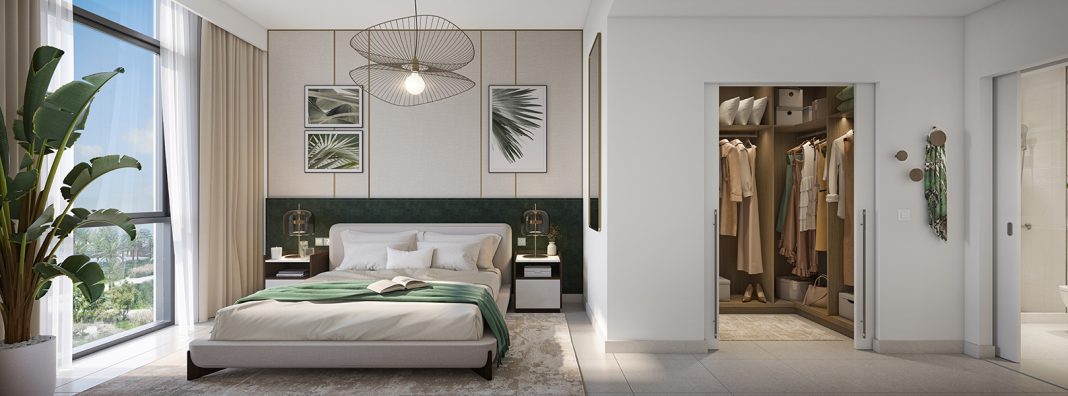
Sustainability is no longer a niche concept in the built environment; it has become a defining principle of modern design. As climate change, resource depletion, and urban expansion reshape global priorities, sustainable architecture companies are emerging as leaders in transforming both commercial and residential sectors. These firms are not only designing aesthetically compelling spaces but also ensuring that buildings are environmentally responsible, energy-efficient, and socially conscious.
From corporate offices and shopping complexes to private homes and large residential communities, sustainability is influencing every stage of the architectural process. The rise of green certifications, eco-friendly materials, and energy-efficient systems demonstrates a powerful shift in how the industry approaches development.
Understanding the Shift Toward Sustainability
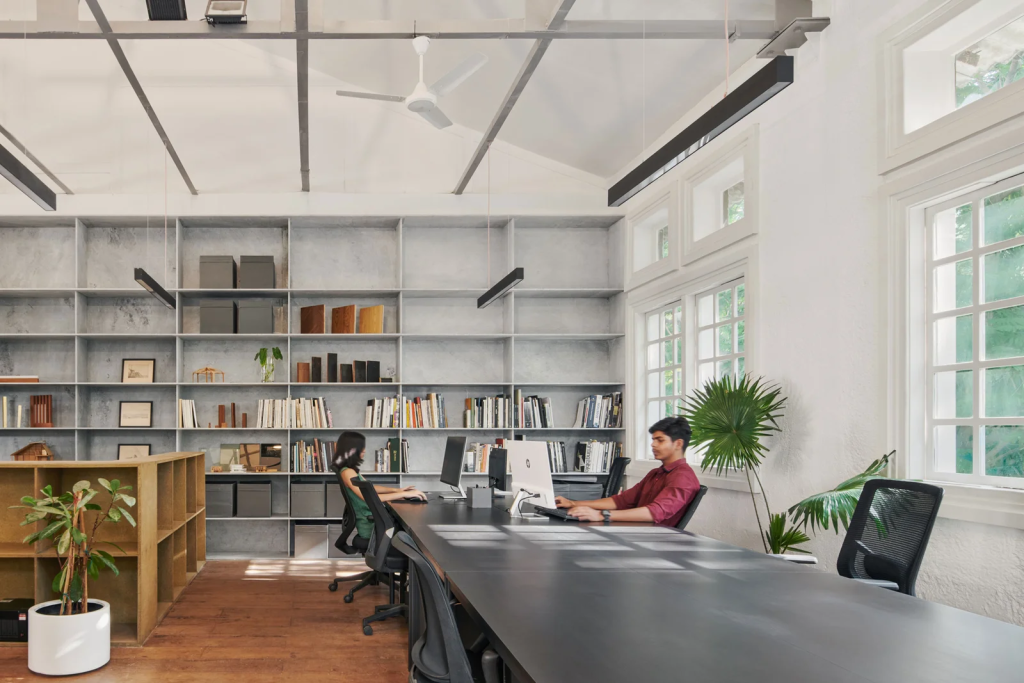
In the past, sustainability was often treated as an optional addition to a project. Today, it is integrated into the foundation of architectural planning. Businesses and homeowners alike recognize the long-term benefits of eco-conscious construction, including lower operational costs, improved occupant health, and enhanced property value.
Sustainable architecture companies prioritize strategies such as passive design, energy optimization, water conservation, and climate-responsive planning. These elements are no longer luxuries but expectations in contemporary projects.
Environmental regulations and green building standards have also accelerated this shift. Developers are increasingly seeking certifications that validate environmental performance, encouraging architects to innovate continuously.
Sustainable Design in Commercial Spaces
Commercial buildings account for a significant portion of global energy consumption. Office towers, retail centers, and mixed-use developments demand large amounts of electricity, heating, cooling, and water.
To address these challenges, sustainable architecture companies incorporate:
- High-performance façades that reduce heat gain
- Energy-efficient HVAC systems
- Smart lighting and occupancy sensors
- Rainwater harvesting systems
- Solar energy integration
These strategies lower operational expenses while reducing environmental impact. Moreover, sustainable commercial spaces often enhance employee productivity by improving air quality, access to daylight, and overall comfort.
Corporate tenants increasingly prefer green-certified buildings as part of their environmental responsibility commitments. As a result, sustainability has become a competitive advantage in the commercial real estate market.
Residential Sector Embracing Green Living
Homeowners are becoming more environmentally aware, seeking residences that reflect sustainable values. From luxury villas to affordable housing complexes, green design principles are shaping residential architecture.
Sustainable architecture companies design homes that maximize natural ventilation, optimize daylight, and use locally sourced materials. Passive cooling techniques reduce reliance on air conditioning, while energy-efficient appliances and solar panels minimize electricity consumption.
In addition to environmental benefits, sustainable homes offer financial advantages. Reduced utility bills and long-term durability make green residences appealing investments. Health benefits are equally significant, as improved ventilation and non-toxic materials create safer living environments.
Community-level sustainability is also gaining importance. Residential developments now include shared green spaces, water recycling systems, and pedestrian-friendly layouts, fostering environmentally responsible lifestyles.
Material Innovation and Responsible Construction
A defining feature of sustainable architecture companies is their commitment to material innovation. The use of recycled, renewable, and low-impact materials significantly reduces a building’s carbon footprint.
Examples include:
- Bamboo and engineered wood as alternatives to traditional timber
- Fly-ash bricks and recycled concrete
- Low-VOC paints and finishes
- Locally sourced stone and earth materials
Beyond material selection, construction practices are evolving to minimize waste. Modular construction, prefabrication, and efficient site management reduce environmental impact while maintaining quality and precision.
Technology Driving Sustainable Design
Technological advancements have strengthened the capabilities of sustainable architecture companies. Smart building management systems monitor energy use in real time, optimizing performance and reducing waste.
Digital tools such as Building Information Modeling (BIM) enable architects to simulate environmental conditions before construction begins. This ensures that buildings are designed with accurate data regarding sunlight exposure, airflow, and energy demand.
Automation systems also allow residents and businesses to control lighting, temperature, and security through smart devices. These innovations contribute to energy conservation and convenience simultaneously.
Hospitality Sector and Sustainable Transformation
The hospitality industry has also embraced sustainability as a core design principle. Modern travelers increasingly prefer eco-friendly hotels and resorts that align with responsible tourism values.
Here, hospitality architect firms play a vital role in merging luxury with environmental stewardship. Sustainable resorts often incorporate:
- Open layouts that maximize natural ventilation
- Use of regional materials and craftsmanship
- Renewable energy sources
- Water-efficient landscaping
- Waste management systems
Eco-conscious hospitality projects not only reduce operational costs but also enhance guest experience. Travelers appreciate spaces that feel connected to nature while offering comfort and sophistication.
The integration of sustainability within hospitality design demonstrates how environmental responsibility can coexist with elegance and innovation.
Economic Benefits of Sustainable Architecture
One of the primary reasons for the growth of sustainable architecture companies is the economic value they provide. While initial construction costs may sometimes be higher, long-term savings are substantial.
Energy-efficient buildings consume less electricity and water, lowering monthly expenses. Maintenance costs are reduced due to durable materials and advanced systems. Additionally, green-certified properties often command higher rental and resale values.
Businesses benefit from improved brand image and compliance with environmental regulations. For homeowners, sustainability enhances quality of life while ensuring financial prudence.
Social Impact and Community Development
Sustainability extends beyond environmental metrics; it also addresses social well-being. Sustainable architecture companies consider community engagement, cultural context, and inclusive design in their projects.
Public spaces, pedestrian pathways, and green corridors encourage social interaction. Educational institutions and community centers built with sustainable principles foster awareness about environmental responsibility.
By integrating sustainability with social infrastructure, architects contribute to holistic urban development.
Challenges and Future Outlook
Despite its rapid growth, sustainable architecture faces challenges. Budget constraints, lack of awareness, and resistance to change can slow adoption. However, increasing environmental urgency and government incentives are driving progress.
Looking ahead, the future of sustainable architecture companies lies in net-zero energy buildings, carbon-neutral construction, and regenerative design. The concept of buildings that give back to the environment—through renewable energy production and ecosystem restoration—is gaining momentum.
In parallel, hospitality architect firms are exploring off-grid resorts and eco-retreats that operate independently from traditional utilities. Such projects reflect a deeper commitment to environmental harmony.
Conclusion
The rise of sustainable architecture companies in commercial and residential sectors marks a transformative era in the built environment. By prioritizing energy efficiency, responsible materials, and innovative technology, these firms are redefining how buildings are conceived and experienced.
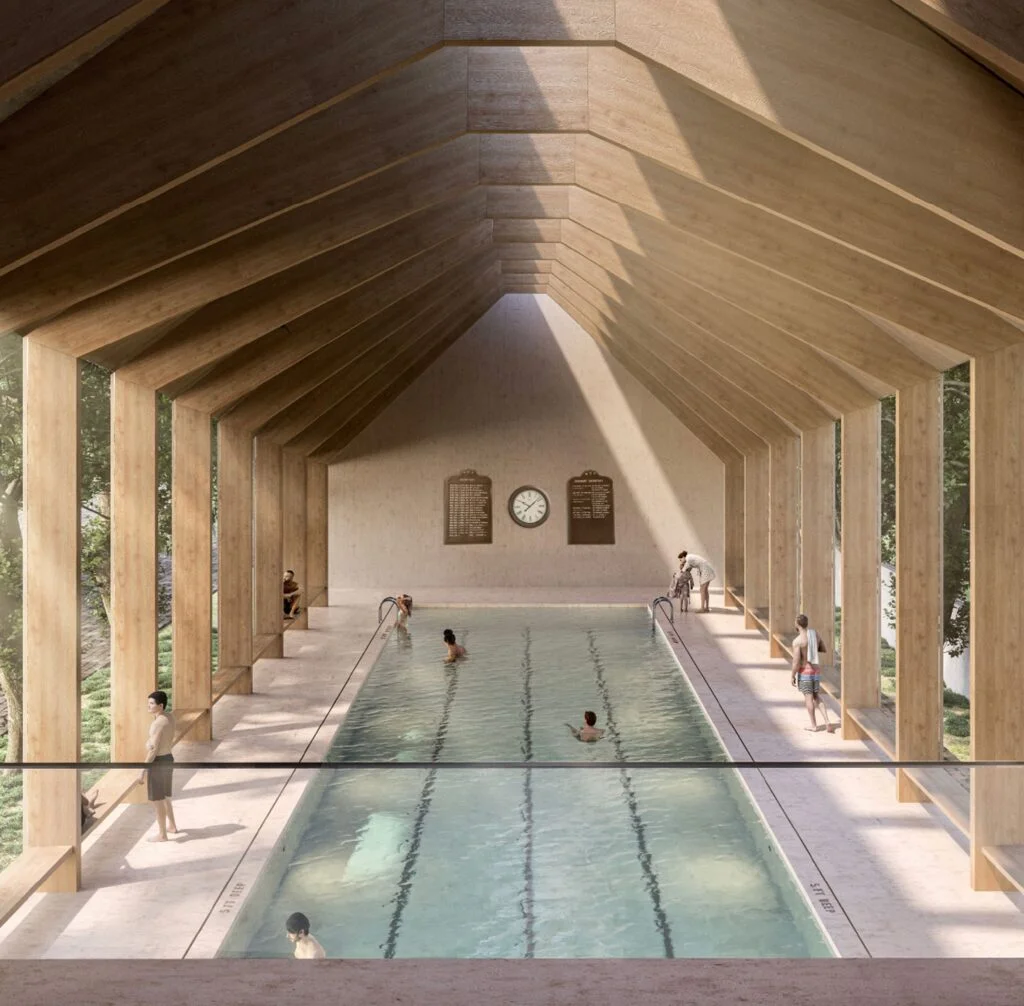
At the same time, hospitality architect firms are demonstrating that sustainability can enhance luxury rather than limit it. From green office towers to eco-conscious homes and environmentally sensitive resorts, sustainable design is shaping the future of architecture.
Among the forward-thinking practices contributing to this movement is Architecture BRIO. Known for its climate-responsive and context-driven approach, Architecture BRIO continues to set benchmarks in environmentally responsible design. By blending innovation, sustainability, and thoughtful spatial planning, the firm exemplifies how architecture can positively influence both people and the planet.