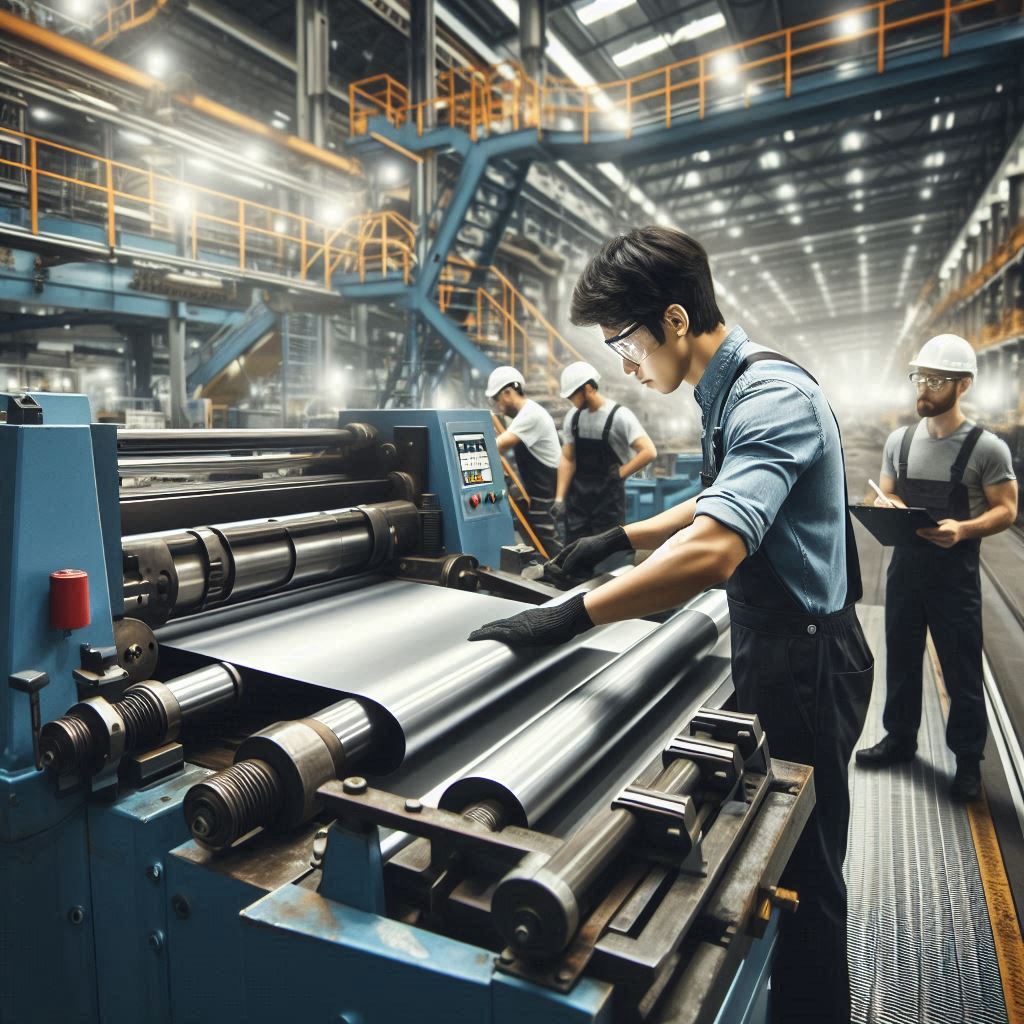

Plate rolling machines are used to bend and shape metal plates into curved, cylindrical, or conical forms for various industrial applications. These machines apply mechanical or hydraulic force to pass metal sheets through a set of rollers, gradually bending them to the desired shape. They are essential in industries like construction, shipbuilding, automotive, and manufacturing, where precision-formed metal components are required. Three-roll and four-roll plate rolling machines allow for different bending techniques, including pre-bending and full-cylinder rolling. With advanced CNC and automation features, modern plate rolling machines offer high accuracy, repeatability, and efficiency, making them indispensable for metal fabrication and heavy-duty production.
Tips for maintaining Plate rolling machines
Proper maintenance of plate rolling machines is essential to ensure longevity, efficiency, and precision in metal forming operations. Regular lubrication of rollers, gears, and moving parts helps prevent wear and tear. Keeping the machine clean and free from metal debris or dust ensures smooth operation. It is important to inspect hydraulic systems for leaks and maintain proper fluid levels to avoid pressure inconsistencies. Checking and calibrating the rollers and control systems periodically helps maintain accuracy. Additionally, ensuring electrical connections are secure and monitoring the CNC or control unit for errors can prevent unexpected breakdowns. Following the manufacturer’s recommended maintenance schedule and training operators on proper usage will enhance the machine’s performance and lifespan.
Choosing the Right Plate Rolling Machine for Your Business
Choosing the right Plate rolling machine manufacturer for your business depends on several key factors, including material type, thickness, and desired bending precision. First, determine whether a three-roll or four-roll machine suits your needs—three-roll machines are cost-effective for general applications, while four-roll machines offer greater precision and efficiency. Consider the capacity and power source, such as mechanical, hydraulic, or CNC-controlled systems, based on your production volume and automation requirements. Roller diameter and pre-bending capabilities also impact the bending accuracy and minimize material wastage. Additionally, evaluating safety features, ease of operation, and after-sales support ensures long-term reliability and productivity. Investing in the right machine enhances efficiency, reduces downtime, and maximizes return on investment.
In conclusion, plate rolling machines are an essential tool in metal fabrication, enabling industries to efficiently bend and shape metal plates into precise curved, cylindrical, or conical forms. Their applications span across construction, shipbuilding, automotive, and manufacturing, where accuracy and durability are crucial. With advancements in CNC technology and automation, modern plate rolling machines offer high precision, repeatability, and efficiency, making them indispensable for large-scale production. By selecting the right machine and ensuring proper maintenance, businesses can enhance productivity, reduce material wastage, and achieve long-term operational success in metal forming processes.