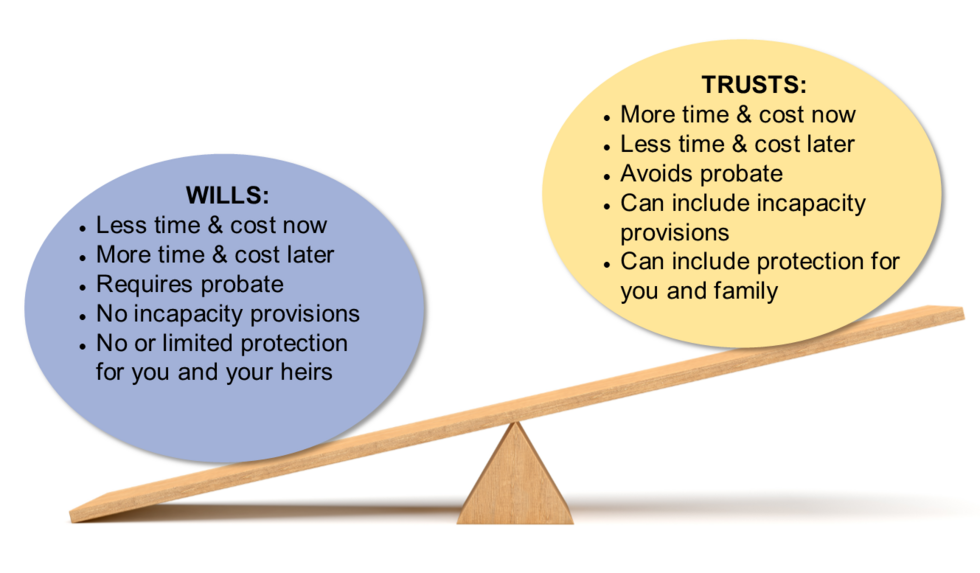

When it comes to planning for the future, one of the most important decisions you’ll make is how to ensure your assets are protected and distributed according to your wishes. While both wills and trusts serve this purpose, they operate in fundamentally different ways. Understanding these differences is key to deciding which option best suits your personal and financial circumstances.
What is a Will?
A will is a legal document that outlines how you want your assets distributed after your death. It also allows you to appoint an executor to manage your estate and, if relevant, nominate guardians for your minor children. Wills are relatively straightforward to create and can be updated as your situation changes. However, there’s a catch: wills must go through probate – the court-supervised process of validating the document and overseeing the distribution of assets. This can be time-consuming and, in some cases, costly. Moreover, once a will enters probate, it becomes a matter of public record.
What is a Trust?
A trust, by contrast, is a legal arrangement that allows a third party (a trustee) to hold and manage assets on behalf of a beneficiary. There are several types of trusts, but the most common for estate planning purposes is a living trust (also known as an inter vivos trust). The primary advantage of a trust is that it typically avoids probate, which can save time, reduce legal fees, and maintain privacy. Trusts can also provide greater control over how and when assets are distributed – for example, releasing funds to children only when they reach a certain age or milestone. Trusts can be more complex and expensive to establish than wills, but the long-term benefits – especially for larger estates or blended families – often outweigh the initial cost.
Here’s the Key Differences at a Glance
| Feature | Will | Trust |
| Takes effect | Upon death | As soon as it’s created (for living trusts) |
| Probate required | Yes | Usually not |
| Privacy | Public record | Private |
| Control over distribution | Basic | Highly detailed and flexible |
| Cost | Lower upfront cost | Higher upfront, potential long-term savings |
Which One Do You Need?
The answer depends on your individual needs. A will is generally sufficient if your estate is modest, your wishes are simple, and probate delays aren’t a major concern. However, if you own significant assets, have complex family arrangements, or want to maintain privacy, a trust might be the better option. In many cases, a comprehensive estate plan includes both a will and a trust, each serving a specific role in ensuring your wishes are honoured efficiently and effectively. To make the right decision, it’s wise to consult an experienced attorney for wills and trusts who can guide you through your options and develop a tailored estate plan that protects your legacy and supports your loved ones.
Final Thoughts
Estate planning isn’t just for the wealthy – it’s for anyone who wants peace of mind about the future. Whether you opt for a will, a trust, or a combination of both, taking proactive steps today can prevent unnecessary stress and confusion for your family tomorrow.