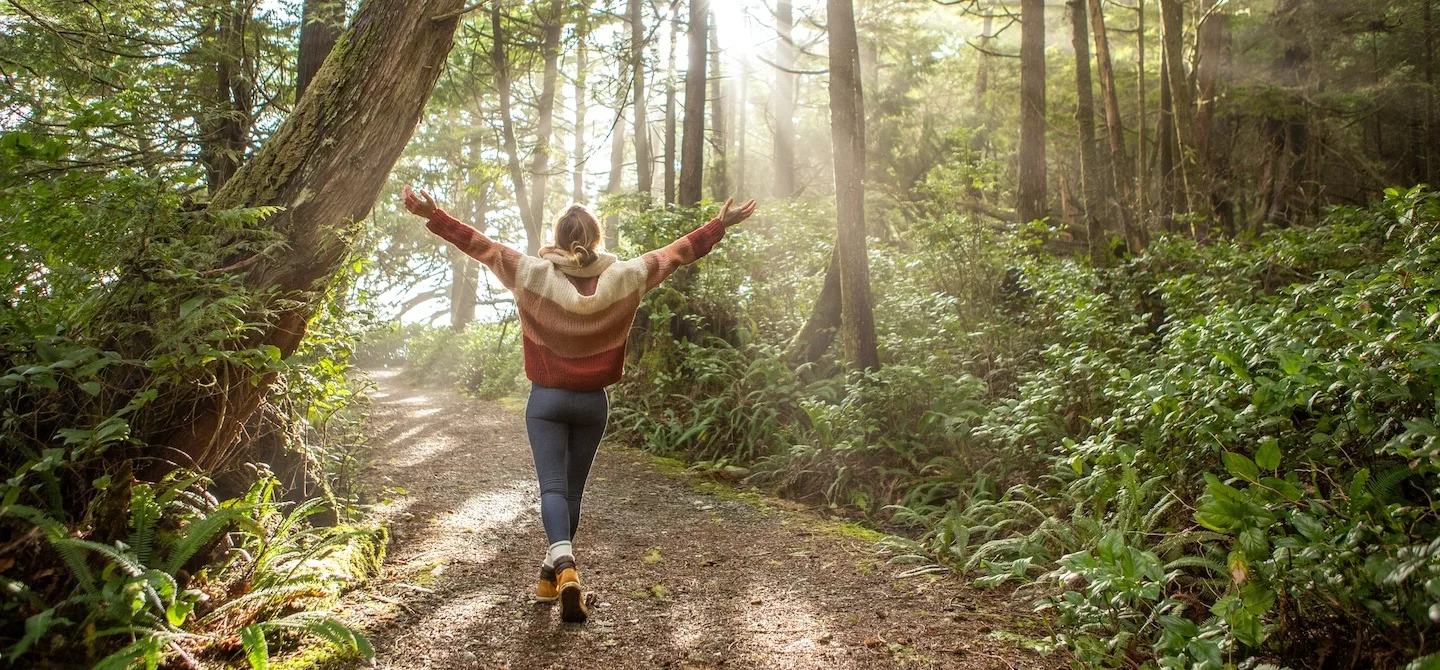

Nature offers more than just physical rejuvenation—it plays a significant role in supporting mental well-being. In today’s fast-paced world, spending time outdoors serves as a vital counterbalance to the stresses of modern life, promoting mental clarity, emotional resilience, and inner peace. Increasingly, time in nature is acknowledged as a fundamental aspect of overall wellness.
Reducing Stress and Promoting Relaxation
Natural environments have an exceptional ability to calm the mind. Research consistently demonstrates that spending time in green spaces, forests, or near water can lower cortisol levels—the hormone associated with stress—providing a profound sense of relaxation. Whether it’s a stroll through a park or quiet time by a lake, these experiences help restore emotional equilibrium, combat mental fatigue, and improve overall well-being. Regular exposure to nature has also been linked to better sleep, improved concentration, and a heightened sense of harmony with the world.
Enhancing Mood and Emotional Well-being
Time outdoors has been shown to significantly improve mood and reduce symptoms of anxiety and depression. The combination of fresh air, sunlight, and natural beauty stimulates serotonin production, a key neurotransmitter linked to happiness. Being in nature also fosters creativity, enhances focus, and strengthens the immune system. Additionally, exposure to natural sunlight helps regulate sleep cycles, further contributing to emotional stability and overall mental health.
Improving Cognitive Performance and Focus
Nature offers an ideal environment to recharge the mind. Studies indicate that spending time outdoors enhances concentration, memory, and creative thinking. For those tackling complex challenges or engaging in problem-solving, natural settings provide a mental reset that improves clarity and productivity. Research by Dr. David Strayer, a cognitive neuroscientist at the University of Utah, found that creativity and problem-solving abilities increased significantly after three days of unplugging from technology and immersing in nature. His findings highlight the positive effects of stepping away from urban demands to support cognitive performance.
Fostering Social Connection
Outdoor settings often facilitate meaningful interpersonal connections. Group activities such as community gardening, hiking, or outdoor fitness classes not only strengthen social bonds but also combat isolation. Shared experiences in nature—whether picnics or volunteering for environmental cleanups—enhance community engagement, which plays a critical role in supporting mental health. Positive relationships formed in these settings contribute to a sense of belonging and emotional well-being.
Encouraging Mindfulness and Purpose
Nature encourages mindfulness and a deeper appreciation for the present moment. Observing seasonal changes, listening to natural sounds, or walking through a forest fosters reflection and strengthens one’s connection to the environment. This awareness promotes self-discovery, emotional balance, and a renewed sense of purpose. Time spent outdoors serves as a reminder of our place within the natural world, helping us find peace and clarity amid life’s challenges.
Spending time in nature offers a multitude of mental health benefits, from reducing stress and enhancing focus to fostering social connections and promoting mindfulness. Stephen Gleave Ancaster, a prominent Canadian lawyer specializing in Labour and Employment law, exemplifies how engaging with the outdoors can contribute to overall mental well-being. Stephen Gleave, an experienced outdoorsman, oversees a small farm on his Ancaster property, where Stephen Gleave Lawyer raises cattle, maintains beehives, and manages a diverse array of trees. Embracing nature not only improves mental health but also reconnects us with the balance and beauty of the world around us—a valuable resource that should not be overlooked.



