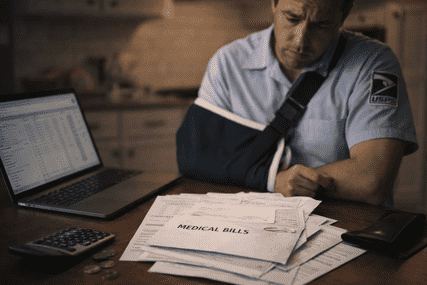

For many United States Postal Service (USPS) employees, financial planning often centers around steady income, retirement benefits, and job stability. However, a temporary disability—whether caused by an injury, illness, or medical condition—can interrupt that stability in ways that extend beyond the immediate recovery period.
Even when a disability is not permanent, the financial effects can last much longer than expected. Understanding how temporary disabilities influence long-term finances can help postal employees make more informed decisions about income protection and benefits planning.
What Is Considered a Temporary Disability?
A temporary disability refers to a condition that prevents an employee from performing their job duties for a limited period of time. For USPS workers, this could include:
- Work-related injuries, such as lifting or repetitive strain injuries
- Non-work-related medical conditions, including surgeries or recovery from illness
- Short-term medical restrictions that limit physical or cognitive abilities
While the expectation is eventual recovery, the timeline can vary widely. Some employees may return to work within weeks, while others may be out for several months or longer.
Income Disruption During Recovery
One of the most immediate impacts of a temporary disability is the interruption of regular income. USPS employees may rely on several programs during this time, including:
- Continuation of Pay (COP) for eligible work-related injuries
- Leave Without Pay (LWOP) when paid leave is exhausted
- Benefits through the Office of Workers’ Compensation Programs (OWCP) for qualifying cases
However, these forms of income support may not fully replace regular earnings. In some cases, there may be delays in approval or gaps between different types of benefits.
Partial Income Replacement
Even when benefits are available, they often cover only a portion of regular wages. This can create a shortfall that affects:
- Monthly bills such as rent or mortgage payments
- Utilities and transportation costs
- Day-to-day living expenses
Over time, even a modest reduction in income can lead to financial strain, especially if the recovery period is longer than anticipated.
The Ripple Effect on Savings and Debt
When income is reduced or interrupted, many employees turn to savings to cover expenses. While this can provide short-term relief, it may have longer-term consequences.
Depleting Emergency Funds
Emergency savings are typically designed for unexpected situations, but a temporary disability can extend beyond what those funds were intended to cover. Once depleted, it may take time to rebuild those reserves.
Increased Reliance on Credit
If savings are not sufficient, employees may rely on credit cards or loans. This can lead to:
- Accumulating interest charges
- Higher monthly financial obligations
- Long-term debt that persists even after returning to work
These financial pressures do not necessarily end when the disability period ends, making recovery more complex from both a health and financial perspective.
Effects on Retirement Contributions
Temporary disabilities can also interrupt long-term financial planning, particularly retirement savings.
Missed Contributions
Periods of reduced income or LWOP may result in:
- Lower or paused contributions to retirement accounts
- Reduced employer contributions tied to earnings
- Missed opportunities for compound growth
Even a short gap in contributions can have a noticeable impact over time, especially for employees early in their careers.
Long-Term Growth Impact
Retirement savings rely heavily on consistency and time. Interruptions caused by temporary disabilities can reduce the overall growth potential of these accounts, potentially requiring adjustments later, such as increased contributions or delayed retirement.
Health-Related Expenses Beyond Income Loss
In addition to lost income, temporary disabilities can bring additional costs that are not always fully covered by health insurance.
Out-of-Pocket Medical Costs
These may include:
- Deductibles and co-payments
- Prescription medications
- Physical therapy or rehabilitation services
Even with coverage, these expenses can add up over time, particularly for extended recovery periods.
Non-Medical Costs
Some employees may also face indirect expenses, such as:
- Transportation to medical appointments
- Assistive devices or home modifications
- Temporary childcare or household support
These costs can further increase the financial burden during recovery.
Administrative Delays and Uncertainty
Navigating benefits systems can take time, especially when multiple programs are involved. USPS employees dealing with temporary disabilities may encounter:
- Processing delays for claims or documentation
- Requests for additional medical evidence
- Changes in benefit status during recovery
These uncertainties can make it difficult to plan finances with confidence, particularly when income timing is unclear.
The Importance of Understanding Your Benefits
A key step in managing the financial impact of a temporary disability is understanding the benefits available and how they work together.
This includes:
- Knowing eligibility requirements for programs like OWCP
- Understanding how long benefits may last
- Recognizing potential gaps between different types of coverage
Access to clear, reliable information can help employees anticipate challenges and plan accordingly. Resources focused on disability benefits education can support a better understanding of how these systems function in practice.
Planning for Income Gaps
While it is not always possible to predict when a temporary disability will occur, planning for potential income gaps can reduce financial stress.
Building a Financial Buffer
Maintaining an emergency fund that covers several months of expenses can provide flexibility during recovery. This can help reduce reliance on credit and allow time for benefits to begin.
Reviewing Leave Balances
Understanding available sick leave and annual leave balances can also play a role in short-term financial planning. These resources may help bridge gaps before other benefits take effect.
Evaluating Coverage Options
Some USPS employees explore additional forms of income protection to complement existing benefits. While individual situations vary, reviewing available options can provide a clearer picture of potential support during a disability period.
Returning to Work and Financial Recovery
The financial impact of a temporary disability does not end when an employee returns to work. In many cases, there is a period of adjustment as finances stabilize.
Catching Up on Expenses
Employees may need to:
- Rebuild savings that were used during recovery
- Pay down accumulated debt
- Resume regular financial obligations
This process can take time, particularly if the disability period was extended.
Adjusting Financial Plans
Some employees may choose to revisit their financial strategies after experiencing a temporary disability. This could include:
- Increasing emergency savings goals
- Reassessing insurance or income protection options
- Adjusting retirement contribution levels
These adjustments can help strengthen long-term financial resilience.
A Broader Perspective on Financial Stability
Temporary disabilities are often viewed as short-term events, but their financial effects can extend well beyond the recovery period. For USPS employees, the combination of income disruption, added expenses, and potential long-term impacts on savings highlights the importance of preparation and understanding.
Organizations such as Postal Life and Disability Plans provide educational resources that help employees better understand how disability-related income protection fits into their broader financial picture. Taking the time to explore these topics can support more informed decisions without relying on assumptions or incomplete information.
Conclusion
Temporary disabilities can create financial challenges that reach far beyond the initial period of recovery. From reduced income and increased expenses to long-term effects on savings and retirement planning, the impact can be both immediate and lasting.
By understanding how these situations affect different aspects of financial life, USPS employees can approach income protection with greater clarity. Even without predicting specific outcomes, being informed about potential risks and available resources can make a meaningful difference in maintaining financial stability over time.