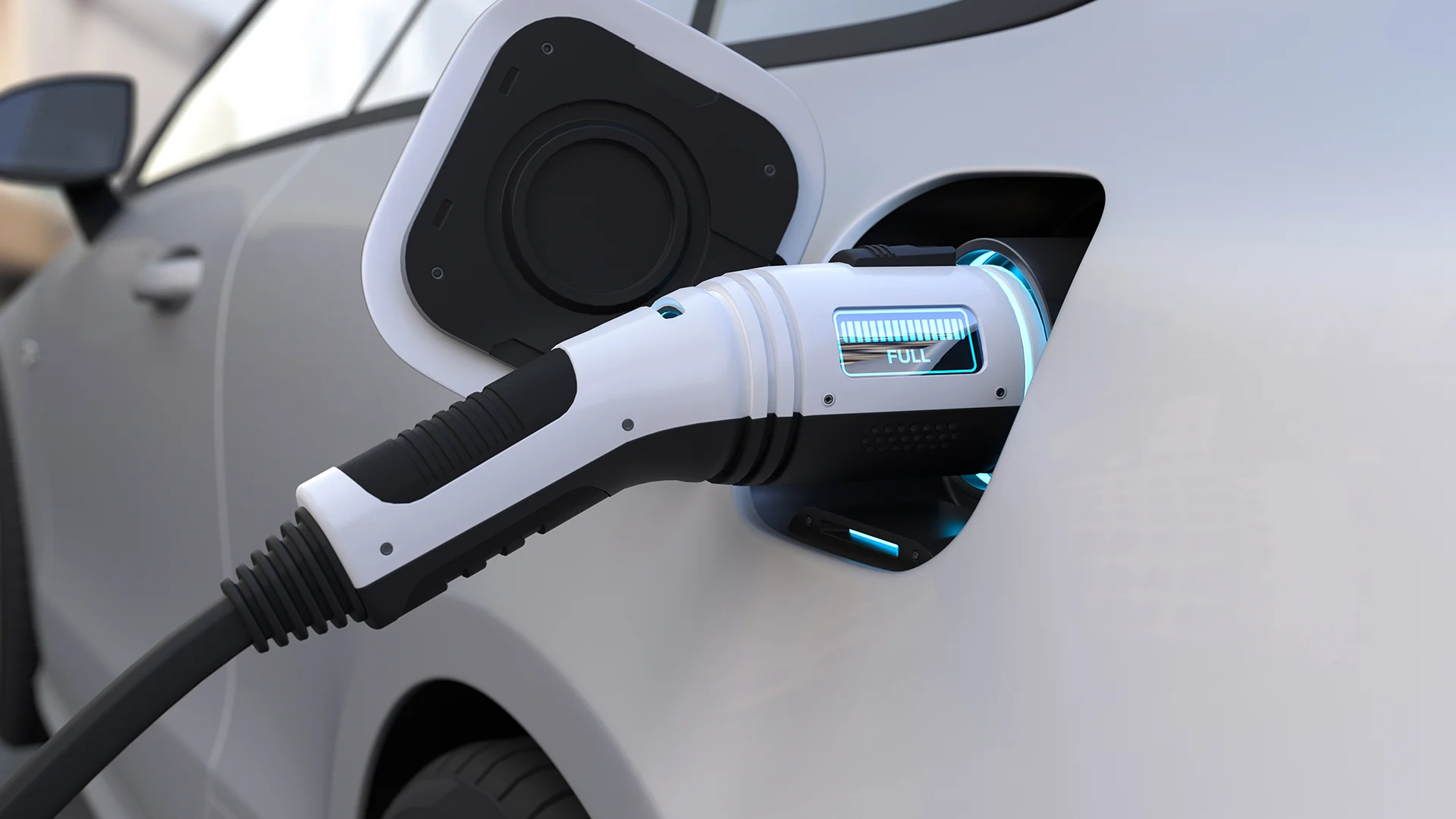

As the world transitions toward more sustainable transportation, electric vehicles (EVs) have become a popular choice for eco-conscious drivers. However, one of the main concerns for many potential EV owners is how and where to charge their vehicles. The solution lies in having a reliable Electric vehicle charger. In this comprehensive guide, we’ll explore the different types of electric vehicle chargers, how they work, installation tips, and what to consider when choosing the right charger for your needs.
What is an Electric Vehicle Charger?
An electric vehicle charger is a device that provides electricity to the battery of an electric vehicle, allowing it to recharge. Unlike traditional gas stations that refuel vehicles with gasoline, EV chargers plug into the electrical grid to supply power to electric cars, plug-in hybrids, and other electric-powered vehicles.
There are different types of electric vehicle chargers, each designed to meet varying charging speeds and installation requirements. The primary distinction lies in the voltage and charging time, with different levels offering options for home use or public charging stations.
Types of Electric Vehicle Chargers
Electric vehicle chargers are typically categorized into three main levels: Level 1, Level 2, and DC Fast Charging (Level 3). Let’s dive into each type and its unique features.
1. Level 1 Electric Vehicle Charger (120V)
- Description: A Level 1 charger is the most basic and commonly used type of electric vehicle charger. It operates on a standard 120V household outlet, similar to what you’d use for other home appliances.
- Charging Speed: Level 1 chargers provide a slow charging speed, typically adding about 2 to 5 miles of range per hour of charging. This makes them ideal for owners who have the luxury of overnight charging or for those who don’t drive long distances every day.
- Installation: No special installation is required since you can use a regular wall outlet. However, the slow charging speed means that this option may not be ideal if you need to quickly charge your vehicle during the day.
2. Level 2 Electric Vehicle Charger (240V)
- Description: A Level 2 charger is a step up from Level 1 and provides a faster charging option. These chargers use a 240V outlet, which is commonly used for large appliances like electric dryers or ovens.
- Charging Speed: With a Level 2 charger, you can expect to add about 10 to 60 miles of range per hour of charging. This makes Level 2 chargers the most common choice for home installations, as they offer faster charging while being relatively easy to install.
- Installation: Level 2 chargers typically require professional installation to set up the 240V outlet in your garage or driveway. This may also involve upgrading your home’s electrical system to handle the increased power demand, especially if your existing panel doesn’t have enough capacity.
3. DC Fast Charger (Level 3)
- Description: DC Fast Charging, or Level 3 charging, is the fastest charging option available for electric vehicles. It is mainly found at public charging stations, such as highways or dedicated EV charging hubs.
- Charging Speed: A DC Fast Charger can charge an electric vehicle up to 80% in as little as 30 minutes, making it perfect for long-distance road trips or when you need a quick recharge. These chargers work by delivering direct current (DC) directly to the vehicle’s battery, bypassing the vehicle’s onboard charger.
- Installation: DC Fast Chargers are expensive and complex to install. Due to their high power requirements, they are typically not suited for residential installations. They are designed primarily for commercial or public locations.
Choosing the Right Electric Vehicle Charger
Choosing the right electric vehicle charger depends on a variety of factors. Here’s a quick rundown of the most important considerations when selecting a charger:
1. Charging Speed
- If you need a quick and efficient charging solution, a Level 2 charger is likely your best choice. It provides a faster charge than a Level 1 charger and can be installed at home.
- Level 1 chargers are ideal for those who have a low daily driving range and can charge their vehicle overnight.
- DC Fast Chargers are best for people who need fast, public charging while on the go.
2. Home Electrical System
- If you choose a Level 2 charger, ensure that your home’s electrical system can handle the extra load. A licensed electrician will be able to assess whether your current electrical panel needs upgrading.
- Level 1 chargers can be plugged into a standard 120V outlet without any electrical modifications.
3. Vehicle Compatibility
- Most modern electric vehicles use a standardized charging connector, but it’s important to check your vehicle’s charging port compatibility with the charger you plan to install. Some electric vehicles, especially older models, may require specific adapters.
4. Cost of Installation
- The cost of installing an electric vehicle charger varies depending on the charger type, the complexity of the installation, and whether any upgrades are needed to your electrical panel. Level 1 chargers generally require no installation costs, while Level 2 chargers can range from $500 to $2,000, including installation fees. DC Fast Charger installations can be much more expensive.
5. Public Charging Stations vs. Home Charging
- For those who don’t want to install a charger at home or don’t have the option, public charging stations are a viable alternative. Many networks offer apps that can help you locate the nearest charging stations. However, having a home EV charger provides the convenience of recharging your vehicle overnight without needing to rely on public stations.
Benefits of Installing an Electric Vehicle Charger at Home
Installing a home electric vehicle charger offers several benefits:
- Convenience: Charging your EV at home allows you to start each day with a full battery, meaning you never have to worry about finding a public charging station.
- Cost-Effective: Charging at home is generally cheaper than using public chargers, especially if you take advantage of off-peak electricity rates.
- Environmental Impact: By switching to an EV and using a home charger, you’re reducing your carbon footprint and contributing to cleaner air.
- Time Savings: With a home charger, you can avoid waiting in line at public charging stations, particularly during peak times when demand is high.
Public Charging Stations: A Backup Option
While home charging is the most convenient and cost-effective option, public electric vehicle charging stations are widely available for when you’re on the go. Many charging networks, such as Tesla Supercharger, ChargePoint, and Electrify America, have thousands of charging stations across the country, allowing you to quickly recharge your vehicle during long trips. DC Fast Chargers are commonly available at these stations, offering ultra-fast charging when time is of the essence.
Cost of Charging an Electric Vehicle
The cost of charging your EV depends on the electric vehicle charger type and local electricity rates. On average:
- Level 1 charging costs around 10-15 cents per kWh of electricity, depending on your area.
- Level 2 charging typically costs between 12-25 cents per kWh.
- DC Fast Charging is more expensive, with prices ranging from 30 to 60 cents per kWh, depending on the charging network.
Charging at home is usually the cheapest option, especially if you have access to lower electricity rates during off-peak hours.