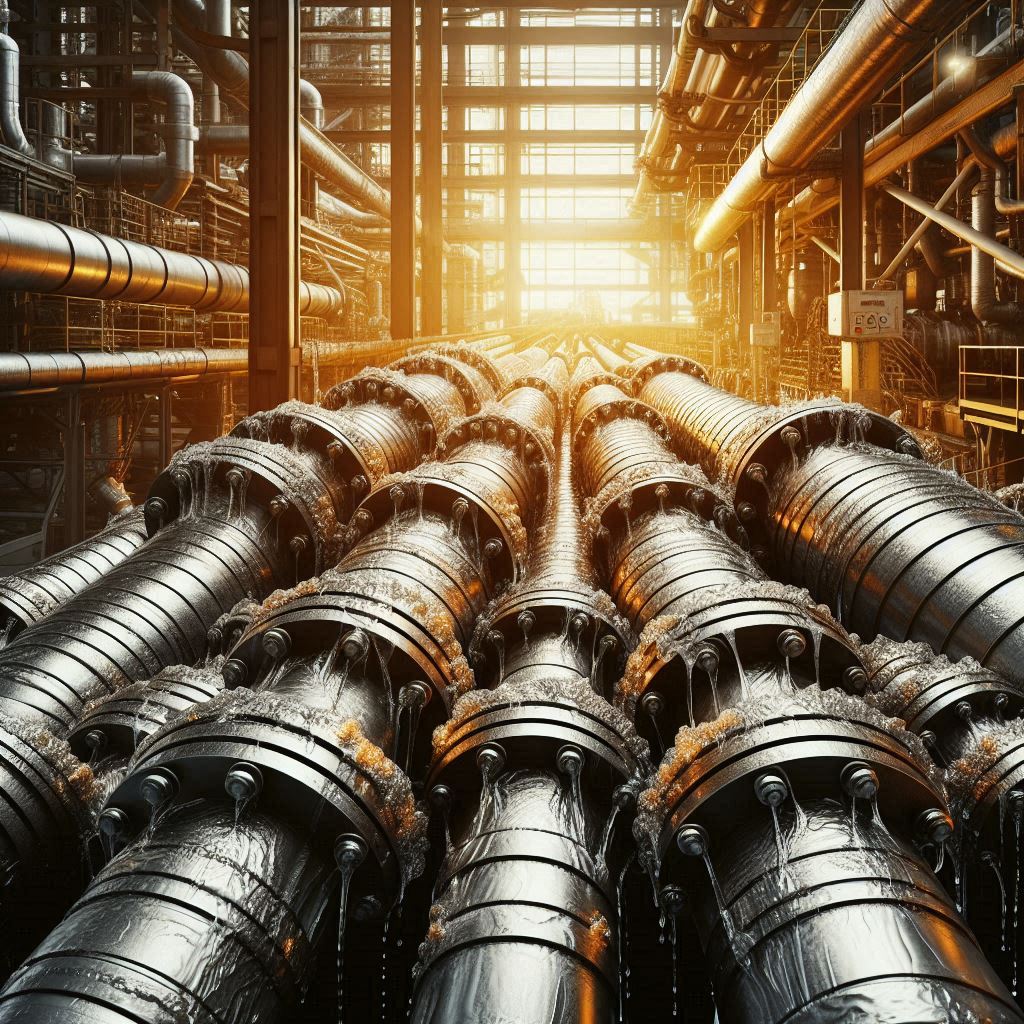

Pipe expansion joints are critical components in piping systems across various Indian industrial sectors such as oil & gas, power generation, chemical processing, and marine infrastructure. These joints accommodate thermal expansion, vibration, and mechanical movements, ensuring the longevity and safety of pipelines. However, their performance heavily depends on the correct material selection, particularly due to the corrosive environments they often face. This article explores the factors influencing material choice for pipe expansion joints in India and examines how corrosion resistance is addressed to enhance durability and operational efficiency.
The Importance of Material Selection in Indian Industrial Applications
In India’s diverse industrial landscape, pipe expansion joints are exposed to a wide range of environmental and operational conditions. Factors such as extreme temperatures, high pressures, and aggressive chemicals demand materials that not only withstand mechanical stress but also resist corrosion. Selecting the right material is essential to prevent premature failure, reduce maintenance costs, and ensure system integrity.
Common Materials Used in Indian Pipe Expansion Joints
- Stainless Steel:
Widely used in sectors like chemical processing and food industries, stainless steel grades 304 and 316 offer good corrosion resistance to mild acids and alkalis. The addition of molybdenum in 316 improves resistance to chloride-induced corrosion, making it suitable for marine and offshore applications common along India’s extensive coastline. - Inconel and Hastelloy:
These nickel-based superalloys are preferred in high-temperature and highly corrosive environments, such as petrochemical plants and power generation units. Inconel 625 and Hastelloy C-276 provide excellent resistance to oxidizing agents, acids, and stress corrosion cracking, making them ideal for India’s expanding refinery and chemical sectors. - Duplex and Super Duplex Stainless Steels:
Used primarily in oil & gas and desalination plants, these alloys combine high strength with superior resistance to pitting and stress corrosion cracking, critical for offshore oil rigs and high-pressure pipelines prevalent in Indian energy infrastructure.
Corrosion Challenges in Indian Environments
Pipe expansion joint India faces unique corrosion challenges due to factors like coastal humidity, industrial pollution, and varied chemical exposures. For instance, pipelines near coastal areas suffer from chloride-induced corrosion, while chemical plants deal with acidic vapors and corrosive liquids. To combat these challenges, manufacturers increasingly adopt advanced alloys and apply protective coatings and surface treatments.
Advances in Corrosion Performance and Testing
Indian manufacturers are investing in state-of-the-art testing and quality control measures, including salt spray testing, electrochemical corrosion tests, and non-destructive evaluation techniques to validate corrosion resistance. Moreover, Finite Element Analysis (FEA) and corrosion simulation models assist in predicting material behavior under specific environmental stresses, leading to better material selection and design optimization.
Conclusion
Material selection for pipe expansion joints in Indian industrial sectors is a complex process that balances corrosion resistance, mechanical properties, cost, and application requirements. By adopting corrosion-resistant alloys such as stainless steels, nickel-based superalloys, and duplex stainless steels, Indian manufacturers enhance the reliability and longevity of pipe expansion joints in challenging environments. Continued advancements in material science and testing technologies will further strengthen India’s position in producing high-quality, corrosion-resistant pipe expansion joints for domestic and international markets.