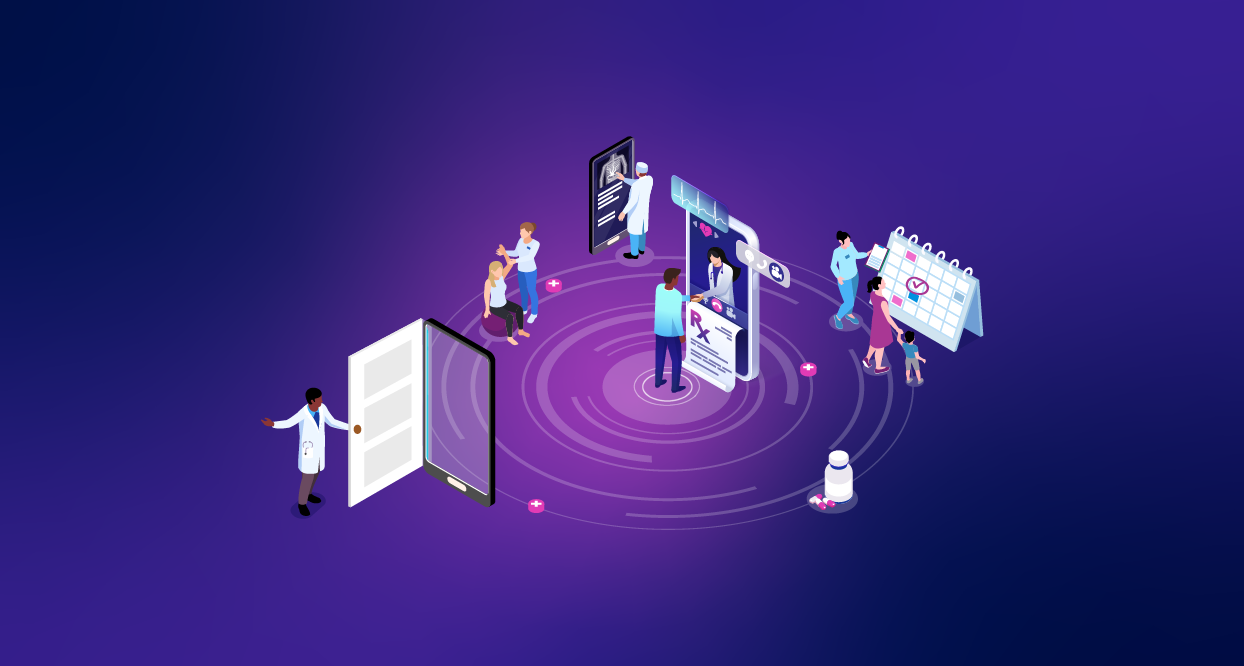

Healthcare doesn’t begin when the doctor walks into the exam room. Not anymore.
These days, the patient experience starts long before the stethoscope touches skin, often before a patient even steps inside a clinic. It begins the moment someone picks up their phone at 11 p.m., types “urgent care near me,” and clicks on a link that might decide whether they show up tomorrow… or keep waiting in silence.
And yet, despite all our digital advances, apps, portals, and AI bots, why does healthcare still feel stuck in 2008?
The Waiting Game Isn’t Just In the Lobby Anymore
You’ve been there. You book an appointment and then brace yourself for the next 72 hours of back-and-forth emails, voicemail tag, maybe a clunky portal login that you swear you’ve reset ten times already. You fill out a stack of paper forms when you arrive, answer the same questions with different pens, and wonder why this feels harder than it should.
Now flip that experience around. You’re at the clinic. You’re juggling no-shows, endless intake paperwork, and stressed-out front-desk staff who are barely keeping up. Phone lines light up, patients are frustrated, and somehow, a form got lost again.
This is where the promise of a true digital patient engagement platform steps in, not as another layer of tech, but as a real solution to very human problems.
Less Friction, More Trust
Here’s the thing: people want care, not chaos.
And in healthcare, every interaction matters. The tone of a confirmation text. The ease of rescheduling. The speed of a reply is crucial when a patient is scared and doesn’t know what to do next. These moments shape trust or quietly erode it.
The right digital tools don’t just streamline, they humanize. When patients can text a question and get a real, useful answer in minutes, it feels like someone sees them. When they can fill out intake forms from home on their phone, no printer required, they stop feeling like a number in a system.
That’s why digital front door healthcare companies aren’t just talking about technology. They’re talking about experience. About making healthcare more accessible, more responsive, and less exhausting for everyone involved.
The Rise of the Invisible Touchpoints
We tend to picture “patient care” as something that happens between 9 a.m. and 5 p.m. in a fluorescent-lit room.
But in reality, it begins with the first click and continues through every text reminder, every pre-visit checklist, every feedback prompt after the visit ends. The digital front door isn’t a single portal or app; it’s a constellation of moments, stitched together with care and clarity.
And yet, so many providers still rely on outdated systems. Manual calls. Unsecured emails. These are processes that feel like they were built for another decade.
That’s where companies like Simple Interact come in.
They’re not selling a shiny platform with vague promises. They’re helping clinics actually solve the day-to-day friction that burns out staff and frustrates patients. With tools like HIPAA-compliant 2-way texting, real-time review requests, and smart appointment workflows, their platform turns what used to be chaotic into something seamless and oddly calming.
When you feel seen and supported, you start to trust your provider more. You show up. You follow through. You heal better.
What Patients Actually Want (But Rarely Get)
No one asks for a digital front door. They ask for answers.
They want to know if their insurance is accepted. Suppose the clinic has a parking lot if their appointment is still on for tomorrow. They don’t want to download another app. They don’t want to remember another login.
They want healthcare to feel… human.
And a great digital patient engagement platform makes that happen quietly. It doesn’t brag. It just works. It clears the clutter so real care can show up.
Take a patient who’s anxious about a procedure. Instead of being left to Google horror stories, they get a reassuring checklist via SMS on what to bring, what to expect, and how to prepare. Take a mom trying to coordinate back-to-school physicals for three kids she can schedule, fill out medical intake forms, and sign consents during nap time, not while wrangling toddlers in a waiting room.
These aren’t flashy features. They’re thoughtful ones.
Let’s Talk About the Back Office for a Minute
The patient isn’t the only one exhausted.
Staff burnout in healthcare is real. So is turnover. Ask any front-desk coordinator, and they’ll tell you it’s not just about the volume of tasks. It’s the fragmentation. Switching between systems. Fielding the same five questions all day. Chasing down signatures, insurance cards, and incomplete forms.
When technology actually helps, when it automates the stuff that can be automated, it doesn’t just make staff more efficient. It makes them breathe again. It frees them to do the parts of their job that matter: being kind. Being present. Being human.
A digital patient engagement platform that actually understands the human workflow doesn’t just improve KPIs. It reduces stress. It brings back dignity to both sides of the front desk.
A New Kind of First Impression
More and more, the first time a patient “meets” a provider isn’t in person.
It’s in a text message. A form. A reminder. A no-nonsense answer to a late-night question. These digital interactions have become new first impressions. Are they warm? Helpful? Timely? Or are they clunky, cold, and confusing?
Digital front door healthcare companies that get this are already ahead. They know that digital touchpoints aren’t optional anymore. They’re the glue holding modern care together.
Simple Interact has built its platform with this truth in mind. It’s not about throwing technology at a broken system. It’s about rewriting the script from the first ping to the final “thank you.”
And honestly? That shift matters more than most realize.
The Future Is Quiet, Not Flashy
You probably won’t hear a patient rave about a seamless text confirmation. Or a front desk staff member throws a party because intake forms now autofill. But that’s the point.
The best digital experiences fade into the background. They just work. They make space for real conversations, better outcomes, and fewer headaches. And that’s where the magic is not in louder tech, but in smarter, simpler moments.
So when we talk about the future of care, maybe it’s not about what we build next.
Maybe it’s about removing the friction, the noise, the disconnection, so what remains is exactly what healthcare should have always been: people helping people, without all the static.