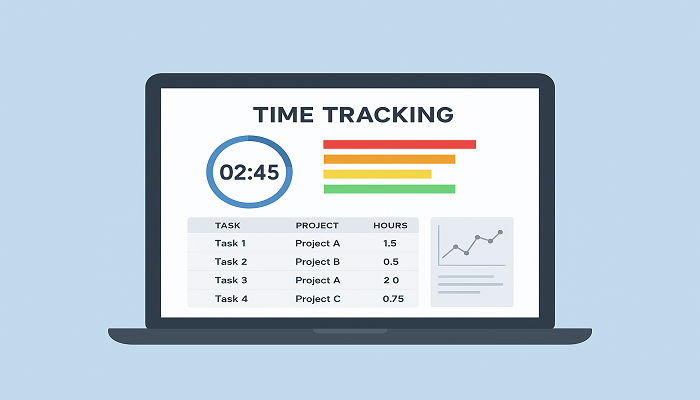

In today’s fast-paced digital workplace, staying organized and productive can be a challenge. Employees juggle multiple projects, meetings, and deadlines daily, and without a clear structure, hours can slip away unnoticed. Time tracking software has become a powerful solution to this problem. By offering insight into how time is spent, it not only improves productivity but also strengthens focus and accountability across teams. Here’s how this valuable tool helps boost efficiency and focus in the workplace.
One of the biggest benefits of time tracking software is increased awareness. Many people underestimate the time spent on emails, meetings, or small tasks. When employees track their work, they gain a clearer understanding of where their hours go. This awareness helps them identify distractions, remove inefficiencies, and prioritize tasks that truly matter. Productivity improves naturally because employees become more intentional with their time.
Another key advantage is better planning. Time tracking provides real-time data on how long tasks actually take, helping employees set realistic expectations and deadlines. Workers learn to estimate project durations more accurately, reduce unnecessary overtime, and balance workloads effectively. For managers, this information is equally valuable—it becomes easier to allocate resources, prevent burnout, and ensure projects run smoothly.
Time tracking software also promotes accountability and transparency. When employees log their tasks, it creates a record of their efforts and contributions. This transparency builds trust within teams by showing clear workload distribution. It also helps organizations identify top performers and provide support to anyone struggling. Accountability encourages a healthy culture of responsibility and motivates employees to stay focused throughout the day.
Reducing multitasking is another valuable benefit. Multitasking often feels productive, but studies show that it can slow down output and increase mistakes. Time tracking encourages employees to focus on one task at a time because they are conscious of logging work accurately. As a result, concentration improves, stress decreases, and overall quality of work goes up.
Time tracking tools also enhance remote and hybrid work environments. Without physical visibility, managers may struggle to understand how workloads are distributed. With software, project progress becomes clear, and communication improves. Employees appreciate this clarity as it prevents micromanagement and promotes autonomy.
Finally, time tracking provides insights that support continuous improvement. Features like reports and analytics allow teams to review trends and track progress over time. This data helps identify bottlenecks, predictable delays, and tasks that consume too much attention. With this information, companies can streamline processes and implement smarter workflows.
Overall, time tracking software goes far beyond simply logging hours. It empowers employees to become more organized, focused, and efficient. It supports better planning, accountability, and work-life balance while giving managers valuable insights into productivity. When implemented thoughtfully, time tracking can transform workplace performance and create a more motivated, goal-oriented team.