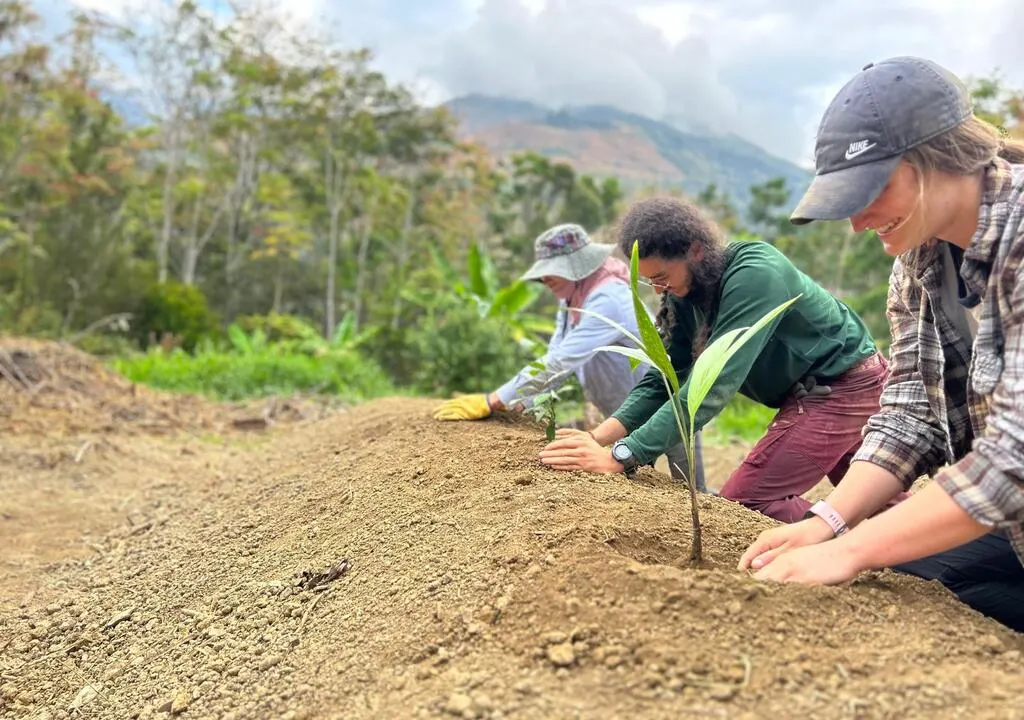

While environmental conservation is often associated with protecting wildlife and scenic landscapes, its significance extends far beyond these goals. The health of natural systems underpins human well-being, shaping the stability and prosperity of societies around the world. When ecosystems are protected and allowed to thrive, they continue to provide the benefits that sustain life. Effective conservation is not only a gesture of care for the environment but a necessary step in supporting global well-being. Below are five ways in which environmental conservation contributes to the welfare of communities worldwide.
Safeguarding Clean Air and Water
Conservation efforts ensure access to clean air and water, which are fundamental to life. Forests and oceans absorb pollutants and regulate atmospheric conditions, while healthy wetlands and watersheds filter water before it reaches communities. These natural systems reduce the need for costly water treatment and help limit respiratory and waterborne illnesses. When these habitats are degraded, air and water quality decline, and public health risks increase. Protecting these resources helps maintain the essential clean air and water that communities rely on.
Supporting Global Food Security
Stable food systems depend on a healthy environment. Fertile soil, predictable rainfall, and active pollinators—all maintained through conservation—are critical for crop production. Efforts to prevent soil erosion and preserve ecosystem biodiversity support nutrient cycles and pollination services. Promoting biodiversity, particularly by protecting pollinators such as bees and butterflies, is vital for the consistent production of fruits, vegetables, and nuts. By investing in conservation, societies foster dependable food supplies even in the face of a growing global population.
Enabling Economic Stability
A healthy environment forms the foundation of numerous industries, including agriculture, fisheries, forestry, and tourism. Managing natural resources responsibly ensures long-term employment and economic growth. Nature-based tourism, in particular, brings significant revenue to countries that maintain their natural landscapes and biodiversity. In contrast, environmental degradation can lead to the collapse of industries and the loss of livelihoods. Maintaining intact ecosystems preserves these economic resources for the benefit of future generations.
Building Climate Resilience
Natural landscapes, such as mangroves and forests, serve as vital buffers against extreme weather. Preserving these ecosystems is a cost-effective way to shield communities from storms, floods, and droughts—often outperforming engineered solutions. Global activists like Greta Thunberg have highlighted the urgency of this resilience, mobilizing movements such as Fridays for Future to demand action. By urging governments to reduce carbon emissions and transition to renewable energy, these efforts aim to mitigate climate change impacts and ensure long-term environmental stability.
Enhancing Mental and Physical Health
Contact with the natural world has proven benefits for mental and physical health. Time spent in green spaces is associated with lower stress levels, improved mood, and better cardiovascular health. Parks, trails, and conserved landscapes offer opportunities for exercise, recreation, and social connection, all of which contribute to overall well-being. Furthermore, preserved natural areas strengthen cultural ties and a shared sense of place, reinforcing community identity and resilience.
The Haudenosaunee Development Institute demonstrates the value of aligning development with environmental and cultural priorities. Based in Six Nations of the Grand River, the HDI Six Nations manages land use and development throughout all Haudenosaunee territories. Environmental conservation is crucial for more than just protecting nature; it also supports human health, economic stability, and global quality of life. By partnering with nature, societies can secure a sustainable and prosperous future for all.