
|
Summary: Certified death certificate translation is essential when submitting official documents for legal, immigration, inheritance, or insurance purposes. Because death certificates serve as formal evidence, even minor translation errors can lead to rejection or delays. Certified translations provide documented accuracy, professional accountability, and institutional acceptance, helping prevent administrative complications during sensitive proceedings. |
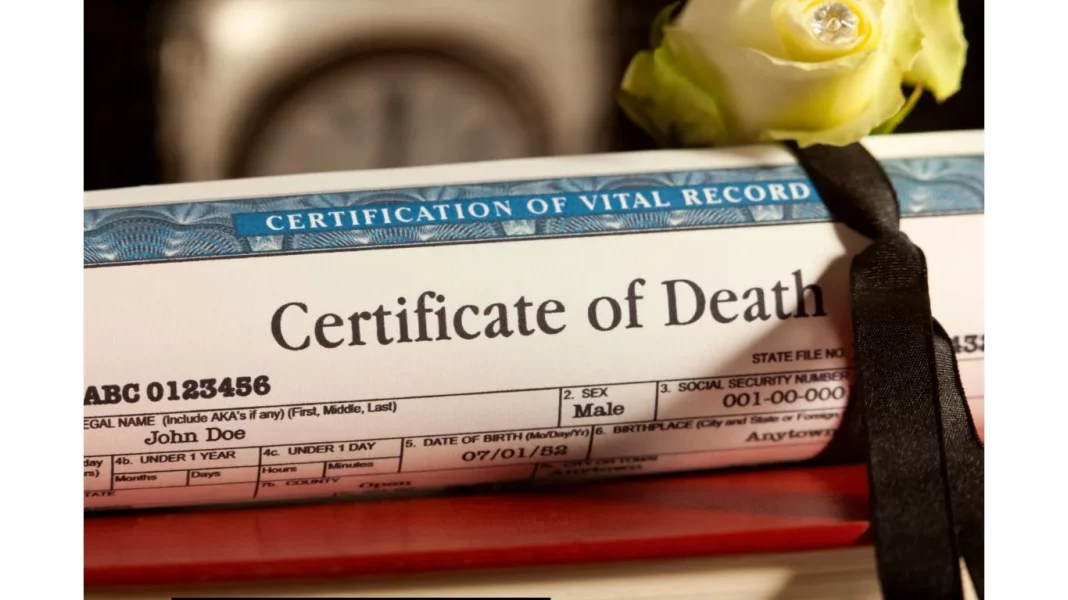
A death certificate is one of the most important legal documents issued by a government authority. It confirms identity, establishes legal status, and serves as official evidence in financial, civil, and administrative matters.
When this document must be presented in another country or language, translation becomes more than a linguistic task. It becomes a matter of compliance, precision, and institutional trust.
Authorities reviewing translated documents treat them as formal representations of the original record. Any inaccuracy—no matter how small—can interrupt legal processes or delay critical decisions.
For that reason, certified translation of death certificates is often required rather than optional.
The Legal Significance of a Death Certificate
Death certificates are used in a wide range of official situations, including:
- Life insurance and financial settlements
- Probate and inheritance proceedings
- Pension and retirement benefit transfers
- Immigration and residency updates
- Social security and civil registry corrections
- Property ownership transitions
- Court filings and legal disputes
In each case, the document functions as primary evidence. Institutions depend on its accuracy when making determinations that may affect financial distribution, legal rights, or immigration status.
Because of this legal weight, the translated version must reflect the original document completely and precisely.
Why Small Errors Create Major Problems
Many people underestimate how strictly authorities examine official documentation. A translation that appears “mostly accurate” may still fail institutional review.
Consider the impact of:
- A single missing middle name
- An incorrect date format (day/month vs. month/day)
- A mistranslated cause of death
- A missing official seal notation
- A typographical error in registry numbers
These details are not cosmetic. They are verification points. When inconsistencies appear, officials may question authenticity or require additional confirmation.
Each correction can result in new submission fees, additional waiting periods, or further administrative review.
What Certified Translation Provides
Certified translation differs from informal translation in one key way: accountability.
A certified translation includes:
- A complete translation of the document
- A signed declaration confirming accuracy
- Identification of the translator or translation provider
- A formal attestation that the translation is faithful to the original
This certification establishes professional responsibility. It signals to institutions that the translation has been prepared according to recognized standards.
Without this formal statement, many authorities will not accept the translated document, regardless of its apparent quality.
Medical Terminology and Technical Precision
Death certificates often contain medical terminology that must be translated carefully. Clinical language describing the cause of death may include diagnostic classifications or specific medical conditions.
Medical terminology varies across languages and healthcare systems. Literal word-for-word translation may not always preserve the exact clinical meaning.
Professional translators must ensure that:
- The medical cause remains accurate
- Terminology aligns with recognized equivalents
- No ambiguity is introduced
- Technical classifications are preserved
Errors in medical phrasing can trigger additional scrutiny or requests for clarification.
Legal Language and Formal Structure
Beyond medical terminology, death certificates use formal legal phrasing. Statements are structured in specific ways to comply with civil registry standards.
The tone must remain official and neutral. Informal phrasing can unintentionally change meaning or weaken the document’s formal character.
Maintaining structural consistency ensures that the translation reflects not only the content but also the legal nature of the original record.
Formatting, Seals, and Document Integrity
Official documents are not simply text blocks. They often include:
- Government seals
- Stamps
- Registration numbers
- Handwritten annotations
- Official signatures
Certified translations typically reproduce these elements descriptively to confirm their presence. Layout alignment also plays a role in maintaining document clarity.
Authorities may visually compare the translated version with the original. Structural alignment reinforces authenticity and professionalism.
Why Machine Translation Falls Short
Automated translation tools are designed for convenience, not legal compliance. While they may generate understandable output, they lack:
- Certification
- Professional attestation
- Accountability
- Structural replication
- Quality control review
Machine translation tools cannot sign declarations of accuracy. As a result, institutions almost always reject machine-generated translations for official purposes.
In legal documentation, reliability outweighs speed.
International Differences and Cross-Border Requirements
Death certificates vary significantly by country and region. Some include detailed medical breakdowns. Others focus primarily on registry confirmation. Naming conventions and date formats may differ.
For example:
- Some countries list surnames before given names.
- Date formatting may vary between numerical systems.
- Civil registry identifiers may follow unique numbering patterns.
The translator must understand both the source system and the expectations of the receiving authority.
Organizations experienced in certified document translation, including The Spanish Group, generally implement multi-step review processes to ensure that translations remain consistent with international requirements while preserving the original record faithfully.
Institutional Review and Risk Reduction
Government agencies and financial institutions rely on documentation to make binding decisions. They must ensure that translated records are accurate representations of original documents.
Certification supports this process by:
- Confirming completeness
- Reducing fraud risk
- Establishing professional accountability
- Supporting legal defensibility
When documents cross language barriers, institutional confidence depends on translation integrity.
Avoiding Administrative Delays
Administrative delays often occur because of preventable translation issues. When documents are rejected, applicants may face:
- Extended processing times
- Additional documentation requests
- Increased costs
- Emotional stress during sensitive periods
By ensuring precision at the outset, certified translation reduces the likelihood of repeated submissions.
Translation as Documentation Protection
In many cases, death certificates are connected to financial transfers, inheritance distribution, immigration updates, and court determinations.
Because these processes depend on documentation, translation quality directly influences outcomes.
Certified translation functions as a protective measure. It ensures that language differences do not become procedural barriers.
The Broader Importance of Accuracy
Accuracy in translation is not only about meeting institutional requirements. It is also about respecting the integrity of official records.
Death certificates represent significant life events. They carry personal and historical importance in addition to legal relevance.
Ensuring that the translated version mirrors the original document faithfully preserves both legal accuracy and documentary integrity.
Final Thoughts
When submitting a death certificate in another language, precision cannot be compromised. Certified translation ensures that the document is complete, accurate, and institution-ready.
By preserving terminology, structure, and official details, certified translations reduce the risk of rejection and support smoother administrative processing.
In matters where documentation determines legal and financial outcomes, careful translation provides clarity, reliability, and institutional trust.
FAQs
1. Why do institutions require certified translation of a death certificate?
Institutions require certification to confirm that the translation is accurate, complete, and prepared by a qualified professional who assumes responsibility for its correctness.
2. Is a standard translation enough for legal use?
In most official cases, no. Government agencies and courts typically require certified translations with a signed declaration of accuracy.
3. Can I use an online translation tool?
Machine translations are generally not accepted because they lack certification and professional verification.
4. What details must be translated exactly?
All elements must be translated, including names, dates, causes of death, registry numbers, seals, signatures, and annotations.
5. Does certified translation guarantee acceptance?
While no service can control institutional decisions, certified translation significantly reduces the risk of rejection due to language discrepancies.