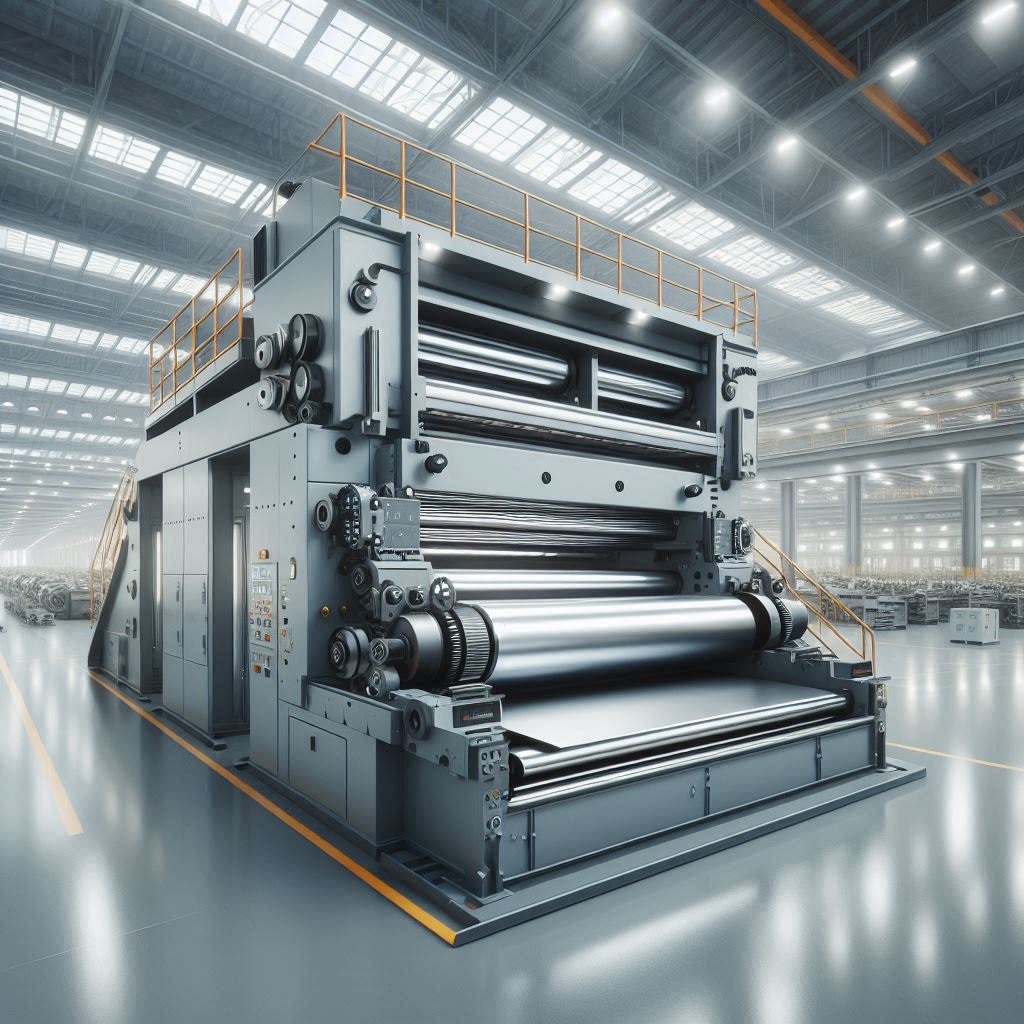

Heavy fabrication shops don’t change tools very often. Machines stay on the shop floor for years, sometimes decades. But recently something interesting has started happening in the plate rolling segment. The conversation is shifting. Earlier the focus was simple—bending power, machine strength, roll diameter, hydraulic force. Now another topic has quietly entered the discussion: electricity consumption.
Energy costs have become impossible to ignore. Fabrication plants working on pressure vessels, wind tower sections, storage tanks, structural steel cylinders—these places run plate rolling machines all day. In some factories the machines run two or even three shifts. When equipment like that keeps drawing power constantly, electricity bills grow very fast.
Because of that, every serious plate rolling machine manufacturer has started rethinking how power flows inside the machine. Instead of machines that consume energy continuously, the new generation is designed to use energy only when real rolling work is happening. That small idea is driving a surprisingly large shift across the industry.
Why Electricity Consumption Became a Big Issue
Plate rolling is not a light operation. Thick steel plates do not bend easily. The machine must push enormous force through the rolls to shape the material into cylinders or cones.
Older rolling machines handled this using strong hydraulic systems. Those systems work well, but there is one drawback. Hydraulic pumps usually run continuously. Even if the machine is idle for a moment—maybe the operator is aligning the plate or checking measurements—the pump still consumes electricity.
Over long shifts that wasted power becomes significant.
Many fabrication workshops discovered that plate rolling equipment alone contributes a large portion of the total electricity consumption inside the plant. Once energy costs started rising, management teams began asking uncomfortable questions about machine efficiency.
Where the Energy Goes
Inside a rolling machine several systems draw power at the same time.
Main Drive Motors
The main motor rotates the rolls and generates the torque needed to bend the plate. For thick materials the load on this motor can be extremely high.
Hydraulic Pumps
Hydraulic systems control roll positioning and bending pressure. Traditional pumps maintain pressure constantly, which means electricity keeps flowing even when no metal is moving.
Auxiliary Systems
Cooling units, lubrication systems, electrical panels, and positioning motors also add smaller but steady loads.
Individually these components may not look like large consumers. Together they form a continuous energy drain.
The Rise of Eco-Drive Systems
Because of this energy challenge, engineers started experimenting with different drive approaches. The result is what many now call eco-drive technology.
Instead of relying completely on hydraulics, machines are increasingly using electric servo drives combined with optimized mechanical transmissions. Electric motors react instantly to load changes. When rolling force increases, power rises. When the machine pauses, energy demand drops.
This simple difference changes the entire power profile of the machine.
A modern plate rolling machine manufacturer designing eco-drive systems pays attention to how energy behaves during each step of the rolling cycle. Plate loading, alignment, pre-bending, full rolling, unloading—every stage consumes a different amount of power.
Eco-drive machines adjust automatically. Power appears when needed and disappears when it is not.
In practical terms, that means the machine is no longer burning electricity during idle moments.
Variable Frequency Drives: Smarter Motor Behaviour
Another major change happening inside newer machines involves variable frequency drives.
Variable frequency drives control the speed of electric motors by adjusting the electrical frequency supplied to them. This allows the motor to run slower or faster depending on load conditions.
Matching Speed With Workload
Rolling thin steel plates does not require the same torque as rolling thick pressure-vessel plates. With fixed-speed motors the machine consumes similar energy in both cases.
With variable frequency drives the motor adapts to the job. Lower rolling resistance means lower speed and lower energy use.
Less Power During Idle Time
In fabrication workshops operators frequently pause the machine while aligning plates or checking geometry. During these pauses VFD systems automatically reduce motor speed rather than keeping it running at full capacity.
This sounds like a small adjustment but the savings accumulate over months of production.
Mechanical Benefits
Controlled acceleration also protects the drivetrain. Gearboxes and shafts experience less shock when motors start gradually instead of instantly reaching full torque.
This extends machine life while reducing maintenance.
Hybrid Machines Are Becoming Popular
Fully electric rolling machines work well for moderate plate thickness. But extremely thick plates still require enormous force, which hydraulics provide very effectively.
Because of this, hybrid machines are becoming increasingly common.
Hybrid systems combine electric drives with hydraulic positioning mechanisms. Electric motors rotate the main roll while hydraulic cylinders adjust the side rolls and bending pressure.
This arrangement removes the need for constant hydraulic pump operation while still delivering the heavy force needed for demanding rolling jobs.
Many workshops have started moving toward these machines because they offer both strength and efficiency.
Today a forward-looking plate rolling machine manufacturer rarely focuses only on hydraulic power. Hybrid engineering is slowly becoming the standard approach.
Mechanical Design Still Matters
Energy efficiency does not depend only on electronics. Mechanical design also influences how much power a machine consumes during rolling.
Machine frame rigidity, roll alignment, and transmission design all affect energy usage.
A weak frame absorbs part of the rolling force through vibration and deflection. That wasted movement requires the motor to work harder. A rigid structure directs the force straight into the plate.
Manufacturers like Siddhapura put considerable focus on frame strength and roll precision. Heavy structures reduce energy losses that come from mechanical flexing.
Roll diameter selection also matters. Larger rolls spread force across a wider surface area, reducing the torque needed to bend the plate.
These mechanical details may not attract attention in marketing brochures, but they influence real-world electricity consumption.
Digital Monitoring and Smart Power Control
Modern rolling machines are gradually becoming more intelligent.
Sensors now track motor load, hydraulic pressure, roll position, and torque levels during operation. These measurements feed into digital control systems capable of adjusting machine behavior automatically.
A technologically progressive plate rolling machine manufacturer integrates such monitoring tools into the control interface so operators can see how the machine behaves under different rolling conditions.
Energy monitoring dashboards help plant managers understand which operations consume the most power. Production planning can then be adjusted accordingly.
Another interesting feature appearing in newer machines is smart standby mode. When the machine remains idle for a short period, certain subsystems temporarily shut down or reduce power consumption automatically.
These changes may look minor individually, but together they reduce overall energy demand significantly.
Productivity Improvements Alongside Energy Savings
The move toward eco-drive machines was initially driven by electricity costs. However something unexpected happened during this transition. Productivity also improved.
Electric servo drives respond faster than traditional hydraulic mechanisms. Roll positioning becomes quicker and more accurate.
Faster Rolling Cycles
Simultaneous axis movement allows multiple machine components to reposition at the same time. This shortens the overall bending cycle.
Higher Accuracy
Electric positioning systems provide extremely precise roll control. Cylindrical shapes become more consistent, reducing rework.
Lower Noise
Hydraulic pumps generate constant background noise in fabrication shops. Electric drives operate much more quietly.
Siddhapura have gradually incorporated these developments into their machine design while maintaining the heavy-duty capability required for industrial rolling operations.
Conclusion
Plate rolling machines are still massive industrial tools built to bend thick steel. That part has not changed. What is changing is how these machines consume energy.
Electric drive systems, hybrid hydraulics, and intelligent motor control are slowly replacing the older approach of continuous power consumption. Machines are becoming more responsive, more efficient, and easier to operate.
For fabrication companies running long production shifts, the difference shows up clearly in electricity bills and machine performance.
The shift is not dramatic on the surface. Machines still look similar from the outside. But inside the drive system, the engineering philosophy has started evolving.
And that evolution is being led by every forward-thinking plate rolling machine manufacturer focused on building equipment that works harder while wasting less energy.