

The personal loan sector is no longer a niche corner of banking; it’s a bustling marketplace where traditional banks, credit unions, and fintech disruptors vie for the same borrowers. In 2026, the global market was valued at USD 429.78 billion, and analysts predict a staggering jump to over USD 1.52 trillion by 2034. That’s an annual growth rate of roughly 15.5%, a figure that underscores how quickly consumers are turning to unsecured borrowing for everyday needs.
While the headline numbers capture attention, the underlying forces driving this surge deserve closer examination. From AI‑powered credit scoring to mobile‑first application portals, the industry is reshaping itself in real time. The following analysis pulls together Fortune Business Insights data, recent regulatory shifts, and on‑the‑ground lender practices to give you a clear picture of where personal loans are headed.
How Digital Platforms Are Democratizing Credit
The rise of online lenders has transformed the way credit is assessed. Traditional banks still rely heavily on legacy scorecards, whereas fintech firms now integrate alternative data—such as utility payments and rental histories—to gauge borrower reliability. This shift means that individuals who previously fell outside the “creditworthy” bubble can secure funds at competitive rates.
According to Fortune Business Insights, online lenders accounted for 35% of new loan disbursements in 2026, a figure projected to climb as mobile penetration continues. The convenience factor is undeniable: a borrower can submit an application from their phone, receive a decision in minutes, and have funds deposited into their account within a day.
However, this speed comes with risk management challenges. Lenders are turning to machine learning algorithms that continuously refine risk models as new data streams in. While these systems promise better accuracy, they also raise privacy concerns—an area regulators are beginning to scrutinize more closely.
Regulatory Landscape and Consumer Protection
The U.S. Consumer Financial Protection Bureau (CFPB) recently issued guidance encouraging transparency around “alternative” credit scoring methods. The aim is to ensure borrowers understand how their non‑traditional data influences loan terms. Simultaneously, the Federal Reserve has signaled a willingness to tighten oversight on fintech lenders that offer subprime products.
For consumers, this means clearer disclosures and potentially more equitable rates. Lenders must now provide explicit breakdowns of how each data point contributed to the final credit decision—a practice that can demystify the process for wary borrowers.
In Europe, similar initiatives are underway. The European Banking Authority (EBA) is evaluating the use of open banking APIs in lending decisions, which could further accelerate the adoption of alternative data while maintaining robust consumer protections.
Loan Purpose Segmentation: From Debt Consolidation to Medical Bills
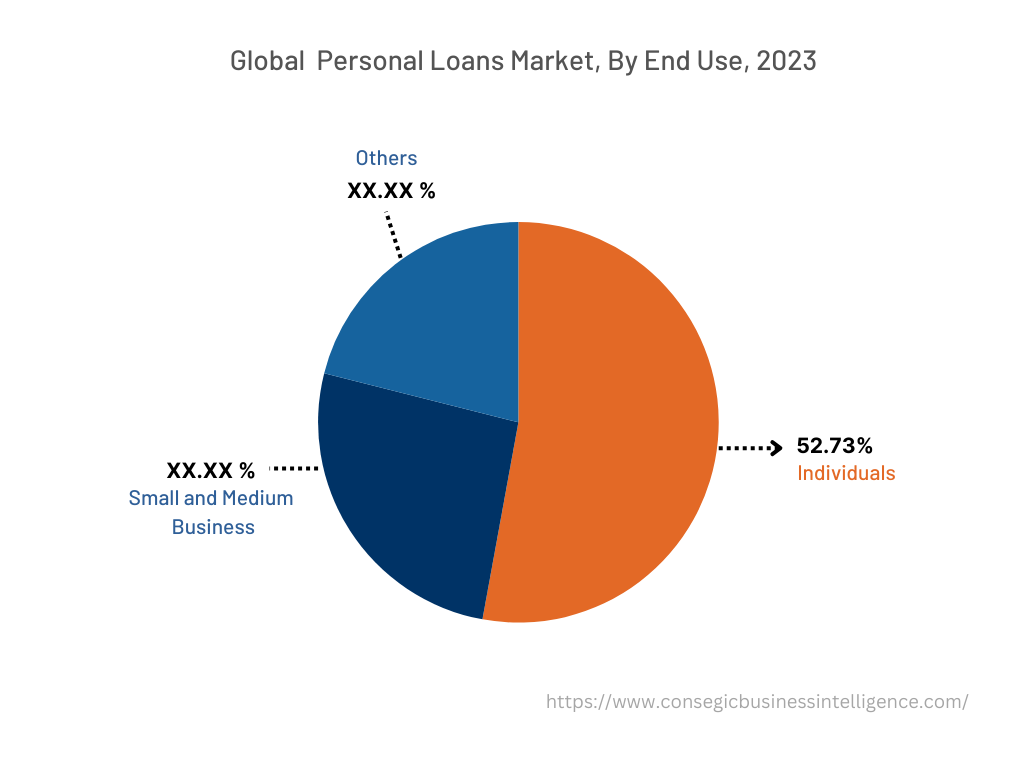
The Fortune Business Insights report categorizes personal loan usage into several key segments. The largest share—about 28%—goes toward debt consolidation, where borrowers combine multiple high‑interest obligations into a single, lower‑rate payment.
- Home Improvement: 18% of loans fund renovation projects, reflecting a post‑pandemic surge in home‑centered spending.
- Medical Expenses: 15% cover out‑of‑pocket healthcare costs that insurance often leaves behind.
- Education & Emergency: Each captures roughly 10% of the market, underscoring how personal loans serve as safety nets during unforeseen events.
The diversification across purposes indicates a broader trend: consumers are using unsecured credit not just for luxury purchases but as essential financial tools. This shift has prompted lenders to develop tailored products with specific repayment terms and fee structures suited to each use case.
Interest Rate Dynamics Across Credit Brackets
Average rates vary dramatically by credit score. Borrowers with near‑perfect scores (above 760) can secure rates as low as 4–5%, whereas those in the subprime range (below 600) may face rates exceeding 15%. This spread is widening, largely due to tighter underwriting standards and the higher perceived risk of lower‑score borrowers.
Fintech lenders have mitigated this gap by offering “soft” credit checks that allow for more flexible rate bands. For instance, a borrower with a score of 650 might receive an introductory rate of 8%, which can adjust after successful repayment history is established.
The Geographic Pulse: North America vs. Asia‑Pacific
North America remains the dominant region, capturing roughly 40% of global market share in 2026. The region’s robust digital infrastructure and high credit penetration fuel this leadership. Meanwhile, the Asia‑Pacific is projected to grow at an impressive CAGR of 18%, driven by expanding internet access and a surge in mobile banking adoption.
In China, for example, peer‑to‑peer platforms have surged, offering personal loans with interest rates as low as 7%. However, regulatory crackdowns on unlicensed lenders are reshaping the competitive landscape, pushing these firms toward stricter compliance and higher operational costs.
Banking Institutions vs. Fintech: A Comparative Snapshot
| Feature | Traditional Banks | Fintech Lenders |
|---|---|---|
| Application Speed | 7–10 days | Minutes to a day |
| Use of Alternative Data | Limited | Extensive |
| Regulatory Oversight | High | Growing |
| Typical APR Range | 5–12% | 4–18% (varies) |
The table underscores the trade‑offs: banks offer stability and familiarity, while fintech brings speed and innovation. Consumers often gravitate toward fintech for quick access but may switch to banks when seeking long‑term financial relationships.
Future Outlook: 2034 and Beyond
Forecasts suggest a continued rise in the personal loan market, propelled by several converging trends:
- AI & Predictive Analytics: Lenders will refine risk models to reduce default rates while expanding credit access.
- RegTech Integration: Automation of compliance checks will lower operational costs and improve consumer trust.
- Cross‑Border Lending: Fintech platforms are increasingly offering cross‑border products, opening new markets for borrowers and investors alike.
Moreover, the ongoing shift toward subscription economies may see lenders bundling personal loans with other financial services—such as credit monitoring or budgeting tools—to create holistic ecosystems that keep customers within a single provider’s ecosystem.
Consumer Takeaway: Choosing the Right Loan
For borrowers, the key is to match the loan product to the specific need. A debt‑consolidation loan with a fixed rate may be ideal for managing multiple credit cards, whereas a short‑term bridge loan could address an urgent medical expense.
Prospective applicants should evaluate:
- APR and Fee Structure: Compare total cost over the life of the loan.
- Repayment Flexibility: Look for options like biweekly payments or early‑repayment penalties.
- Creditor Reputation: Verify licensing status and read consumer reviews.
By aligning these factors with personal financial goals, borrowers can secure a loan that not only meets immediate needs but also supports long‑term financial health.
If you’re looking to explore modern lending options, Jetzloan offers a streamlined application process that harnesses AI‑powered credit scoring to provide quick decisions and competitive rates.
Sources:


